
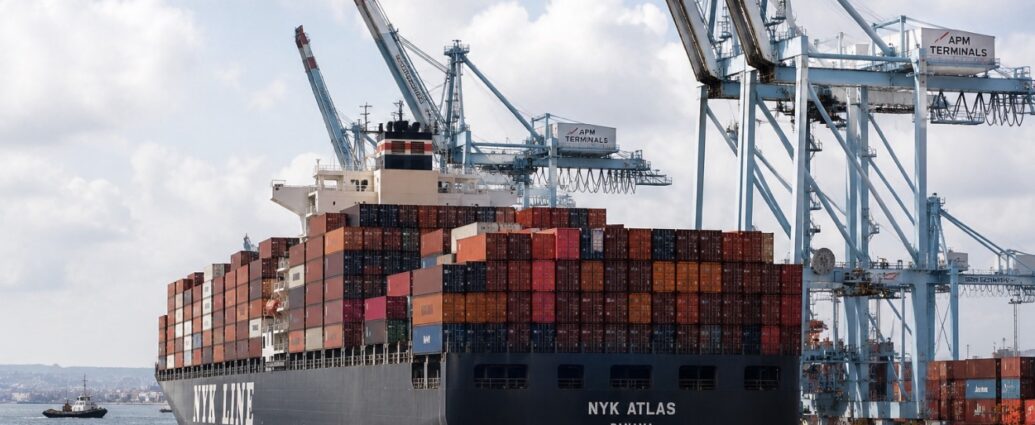
LONDON — Thursday, July 23, 2026: Global container shipping rates continued climbing this week as persistent security threats in the Red Sea forced ocean carriers to maintain costly diversions around southern Africa, extending transit times and tightening vessel capacity on key trade lanes. New freight market data released Thursday shows transportation costs remain well above historical norms despite easing from their wartime peaks earlier this year.
The latest indexes from Drewry’s World Container Index and Freightos Baltic Index indicate that while rates have moderated from the record spikes seen during the height of shipping disruptions, carriers continue charging premiums as vessels avoid the Suez Canal. Routing ships around the Cape of Good Hope adds roughly one to two weeks to many Asia-Europe voyages, increasing fuel consumption, labor costs and equipment shortages.
For importers, the higher shipping costs are filtering into inventory planning ahead of the holiday retail season. Companies dependent on overseas manufacturing—including retailers, electronics distributors, furniture suppliers and industrial manufacturers—are adjusting purchasing schedules to account for longer transit times and higher freight expenses.
The ongoing disruptions have also altered the competitive landscape for global ports. East Coast U.S. ports handling cargo through the Suez Canal have experienced shifting traffic patterns, while some West Coast ports continue benefiting from importers seeking more predictable Pacific shipping routes. Logistics providers say businesses are increasingly diversifying supply chains rather than relying on a single transportation corridor.
Shipping companies have generally benefited from the market conditions. Longer voyage distances reduce available vessel capacity, supporting freight rates even as new container ships continue entering the global fleet. At the same time, insurers have maintained elevated war-risk premiums for vessels operating near conflict zones, adding another layer of cost for global trade.
Economists continue monitoring freight costs because shipping prices often serve as a leading indicator for future goods inflation. Although transportation represents only one component of retail pricing, sustained increases in ocean freight can eventually affect the cost of imported consumer products, machinery and raw materials.
Market participants will continue watching security conditions in the Red Sea, global port congestion and upcoming trade volumes as retailers accelerate inventory purchases for the year-end shopping season. Until normal transit through the Suez Canal resumes on a sustained basis, businesses should expect freight markets to remain more volatile than before the regional conflict.
JBizNews Desk | Wall Street
© JBizNews.com All Rights Reserved. Reproduction or distribution without written permission is prohibited.




