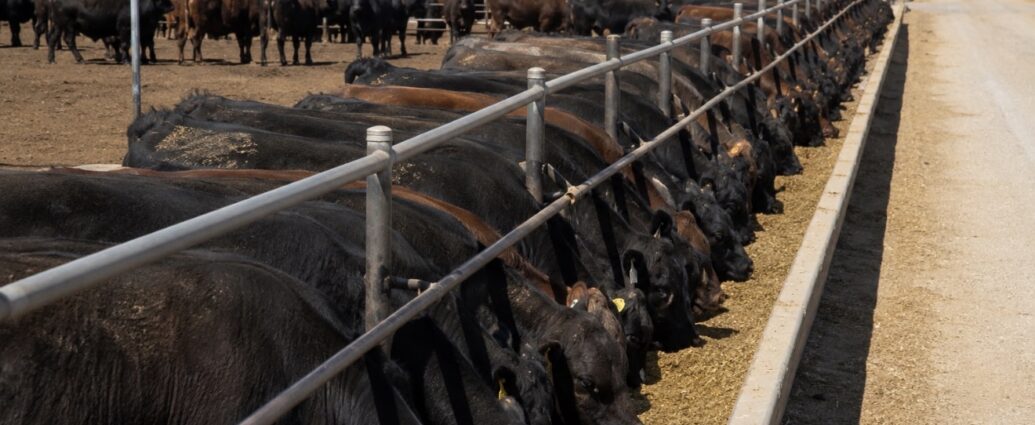
Australia’s cattle industry is emerging as one of the biggest beneficiaries of America’s shrinking beef supply, with fresh industry forecasts released Thursday projecting the country’s beef exports will climb to another record in 2026 as U.S. buyers continue scrambling for imported supplies. New projections from Meat & Livestock Australia (MLA) show Australian beef exports are expected to reach a record 2.3 million tonnes, driven largely by sustained demand from the United States, where the national cattle herd remains near its lowest level in more than 70 years.
For American consumers, the story begins thousands of miles away. Years of drought, elevated feed costs and aggressive herd reductions have left U.S. ranchers with too few cattle to satisfy domestic demand. Restaurants, grocery chains and meat processors still need beef, forcing buyers to increasingly source lean beef from Australia to bridge the gap while U.S. producers slowly rebuild their herds.
The result has quietly reshaped global beef trade.
Australia, already one of the world’s largest beef exporters, now finds itself supplying one of the world’s largest consumer markets at precisely the moment demand has outpaced domestic production. Industry analysts say the imbalance has created one of the strongest export environments Australian producers have seen in years, supporting higher cattle prices while encouraging processors to run plants at elevated capacity.
The timing could hardly be better for Australia’s livestock sector.
After several favorable production seasons, cattle numbers have recovered enough to support higher slaughter rates without creating the oversupply that often pressures prices. Instead, expanding exports have absorbed much of the additional production, allowing farmers, processors and exporters to benefit simultaneously from strong international demand.
The United States has become the centerpiece of that growth.
American processors rely heavily on Australia’s lean, grass-fed beef to blend with domestic beef used in hamburgers and other ground-beef products. As U.S. cattle inventories tightened further this year, import demand accelerated, reinforcing Australia’s position as one of America’s most dependable overseas suppliers. While Japan, South Korea and China remain major customers, industry forecasts suggest U.S. demand will continue driving export growth through the remainder of 2026.
The opportunity stretches well beyond cattle producers.
Every additional export shipment supports meatpacking facilities, refrigerated transportation companies, cold-storage operators, shipping lines, ports and rural communities that depend on agricultural exports. Increased processing activity also supports regional employment while generating additional export revenue for the broader Australian economy.
Consumers in the United States may eventually benefit as well, although probably not through significantly cheaper grocery bills.
Additional Australian imports help relieve supply shortages and improve product availability, but they cannot fully offset America’s limited domestic production. Industry economists expect beef prices to remain historically elevated until U.S. ranchers rebuild breeding herds—a process that typically takes several years because producers must retain more female cattle before expanding beef production.
Global market conditions are also working in Australia’s favor.
Production constraints across several competing exporting nations have reduced available supplies just as worldwide beef consumption remains resilient. That combination has strengthened Australia’s bargaining position in international markets and reduced the likelihood that increased production will overwhelm demand.
There are still risks ahead.
Weather conditions, livestock disease, shipping disruptions, exchange-rate movements and changes in global trade policy could all influence export volumes during the second half of the year. Yet, based on today’s industry outlook, Australia’s beef sector appears positioned to capitalize on one of the strongest international demand environments in recent memory.
For now, one country’s shortage has become another country’s economic opportunity—and Australia’s cattle industry appears poised to turn America’s beef deficit into another record year for exports.
JBizNews Desk | Wall Street
© JBizNews.com All Rights Reserved. Reproduction or distribution without written permission is prohibited