A new U.S. tariff system covering goods from 60 trading economies is forcing importers to recalculate costs across supply chains that touch nearly every major source of American imports. The Office of the U.S. Trade Representative finalized the action on July 23 under Section 301 of the Trade Act, imposing duties of either 10% or 12.5% over what the administration says is a widespread failure to block goods produced with forced labor from entering global commerce.
The tariffs reach far beyond China. Canada, Mexico, India, the United Kingdom, the European Union, Japan, South Korea, Taiwan and dozens of other economies are included, meaning companies importing everything from clothing and machinery to components and finished consumer goods must now determine which rate applies and whether their products qualify for an exemption.
Trading partners that already prohibit forced-labor imports, have committed to adopt such restrictions or operate partial enforcement systems generally face the 10% rate. Most of the remaining economies are subject to 12.5%, while special formulas for the European Union, Taiwan, Japan, South Korea and Switzerland limit the combined effect of the new duties and existing most-favored-nation tariffs.
That structure makes the practical cost more complicated than the headline rate suggests.
An importer cannot simply look at the country where a product was shipped and add 10% or 12.5%. The final duty depends on the product’s tariff classification, the country of origin, existing duties and whether the shipment falls within one of the government’s exemptions. For companies handling hundreds or thousands of products, that means reviewing supplier records and customs codes line by line.
The exemptions cover certain raw materials, products that could cause broader economic disruption, goods that cannot be produced domestically in sufficient quantities and items the administration determined would not meaningfully advance the forced-labor policy. Products already subject to separate national-security tariffs under Section 232 are also excluded from the new action.
Even with those carveouts, the reach is unusually broad. USTR said the 60 economies account for 99.4% of U.S. imports, placing most businesses that rely on overseas suppliers somewhere inside the new system.
For large corporations, the response may involve shifting orders, renegotiating contracts or using multiple suppliers to reduce exposure. Smaller companies often have fewer options. A retailer, manufacturer or distributor tied to one overseas factory may have to absorb the additional cost or pass it to customers before it has time to rebuild its supply chain.
The tariffs also create a new compliance burden. Businesses must verify where goods were produced, whether materials came from another country and whether the documentation provided by suppliers is strong enough to withstand customs review. A shipment described as coming from one economy may still contain components made elsewhere, making origin determinations increasingly important.
USTR said the action followed investigations launched in March, consultations with more than 45 governments, two rounds of public hearings and thousands of written comments. Several economies adopted new forced-labor import restrictions or made commitments during that process, which helped some qualify for the lower rate.
The administration is also preparing tariff-rate quotas for certain textile and apparel imports from Bangladesh, Cambodia, Indonesia and Malaysia. Those arrangements could eventually allow a limited volume of goods to enter without the new Section 301 tariff when the exporting country purchases qualifying U.S. cotton or textile inputs, although the mechanism is not expected to be ready before September.
For businesses, the immediate issue is not the longer policy debate over whether tariffs will change foreign labor practices. It is whether existing contracts say who pays when duties rise.
Importers operating under fixed-price agreements may have little room to recover the added expense, while suppliers and customers may dispute whether the tariff qualifies as a change in law, a force-majeure event or an ordinary cost of doing business. Those questions are likely to move quickly from customs departments into legal and purchasing offices.
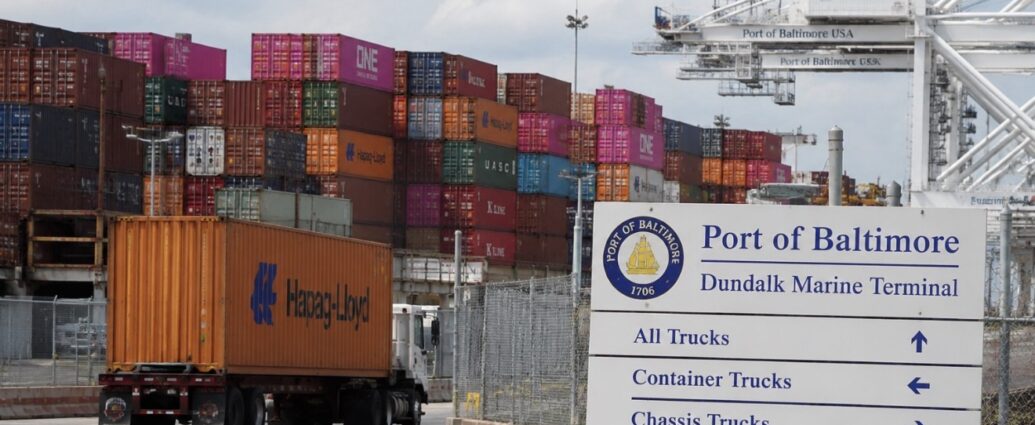
The broader effect will become clearer as shipments clear U.S. ports and companies decide how much of the cost they can absorb. What began as a labor-enforcement action is now becoming a pricing and supply-chain test for businesses across the economy—and the companies that respond fastest will have the best chance of keeping those added costs away from customers.
JBizNews Desk | Wall Street
© JBizNews.com All Rights Reserved. Reproduction or distribution without written permission is prohibited