A single morning could reset the outlook for interest rates, consumer spending and business growth when the government releases its first estimate of second-quarter GDP alongside the Federal Reserve’s preferred inflation measure on Thursday.
Both reports are due at 8:30 a.m. Eastern, less than a day after the Fed announces its latest rate decision. That timing will give markets only a short window to absorb what policymakers say Wednesday before new figures reveal whether the economy continued expanding and how much price pressure remained as the quarter ended.
Growth entered the spring with momentum after GDP increased at a 2.1% annual rate during the first three months of the year. Investment, exports, government spending and consumer activity all contributed, although the headline was also shaped by changes in imports, which are subtracted when GDP is calculated.
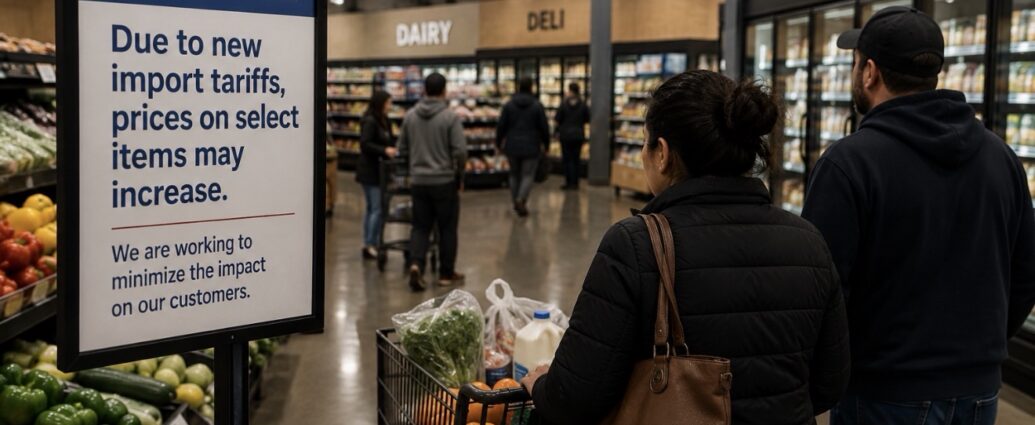
Thursday’s estimate may carry similar complications. Businesses moved shipments and inventories around changing tariff deadlines during the quarter, creating swings that could make the economy appear stronger or weaker than the demand underneath it. Consumer spending and business investment will therefore matter as much as the overall number.
Released alongside GDP, June’s personal income and spending report will show whether households continued buying as energy, insurance, housing and borrowing costs competed for a larger share of their budgets. Spending rose 0.7% in May, but part of that increase reflected higher prices rather than families taking home more goods and services.
Inflation will determine how the Federal Reserve reads that demand. Another firm increase in the personal consumption expenditures price index could reinforce the case for keeping rates elevated or raising them later this year, while clearer cooling would give officials more room to wait.
For businesses, Thursday’s numbers will quickly reach beyond Wall Street. Treasury yields can move before banks change their published lending rates, affecting commercial mortgages, equipment financing, revolving credit and expansion plans even if the Fed leaves its benchmark unchanged Wednesday.
Retailers will be looking for signs that consumers are still purchasing discretionary goods rather than simply spending more on necessities. Manufacturers will focus on inventories and capital investment, while employers will compare income growth with labor expenses and hiring demand.
Neither report will provide a perfect reading, and the initial GDP estimate will be revised as additional information becomes available. Together, however, they will offer the clearest indication yet of whether the economy entered the second half of 2026 with enough strength to absorb higher tariffs, expensive credit and continued uncertainty over energy costs.
JBizNews Desk | Wall Street
© JBizNews.com All Rights Reserved. Reproduction or distribution without written permission is prohibited.