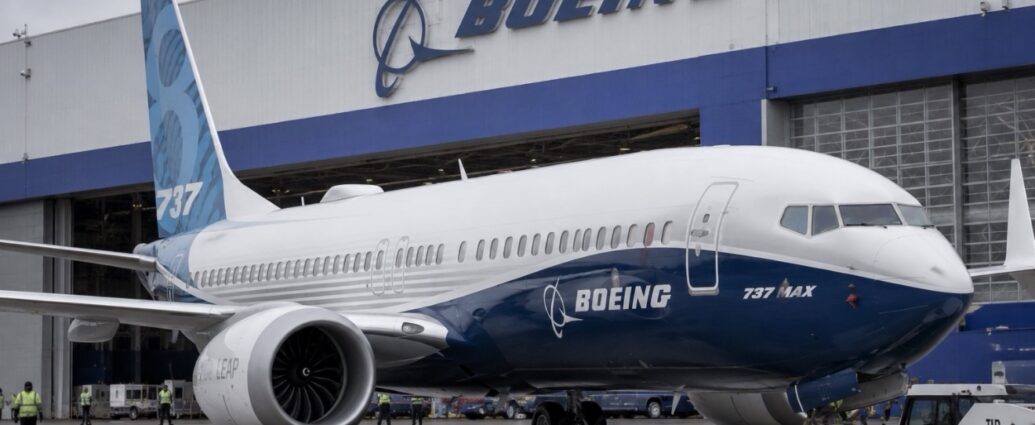
Boeing generated positive operating and free cash flow during the second quarter as aircraft deliveries accelerated, offering another sign that the aerospace manufacturer is making progress toward stabilizing production after years of operational and regulatory challenges. While the company remained unprofitable, Tuesday’s earnings showed improving manufacturing performance and a record commercial aircraft backlog that continues to support long-term production.
The company reported second-quarter revenue of $24.6 billion, an 8% increase from a year earlier, as commercial aircraft deliveries rose to 171 airplanes. Boeing reported a net loss of 67 cents per share, but generated approximately $1.4 billion in operating cash flow and $600 million in free cash flow, marking an important milestone in its recovery.
The company’s total backlog expanded to a record $715 billion, including orders for more than 6,200 commercial aircraft, providing years of future production for factories across the United States.
For businesses, the results demonstrate that Boeing’s recovery is increasingly being measured by cash generation rather than quarterly profits.
Commercial aircraft manufacturing requires billions of dollars in upfront spending before deliveries occur. As production stabilizes and more aircraft reach customers, manufacturers begin converting completed work into cash, strengthening their financial position even if accounting profits remain under pressure.
The record backlog also reflects continued strength in global airline demand.
Carriers around the world continue ordering new aircraft to replace aging fleets, improve fuel efficiency and expand international travel as passenger demand remains resilient. Many airlines face delivery delays because manufacturers continue working through supply chain disruptions that developed during the pandemic.
For American manufacturing, Boeing’s improving production carries broad economic significance.
The company supports thousands of suppliers producing engines, avionics, electronics, aluminum, titanium, composite materials and specialized aerospace components. Higher production rates create additional work throughout that manufacturing network while supporting employment across dozens of states.
The aerospace industry remains one of the country’s largest exporters.
Commercial aircraft deliveries generate billions of dollars in export revenue annually while supporting engineering, advanced manufacturing and research jobs that contribute significantly to the U.S. economy.
Boeing continues operating under heightened regulatory oversight following quality-control issues that slowed production and delayed deliveries during recent years.
Management said improving manufacturing quality remains the company’s highest priority as it gradually increases production while maintaining compliance with regulatory requirements.
Investors also continue monitoring Boeing’s ability to convert its enormous order book into completed aircraft.
A backlog has value only if manufacturers can deliver airplanes safely, efficiently and on schedule. Continued progress in factory operations therefore remains critical to restoring long-term profitability.
The results also benefit airline customers waiting for new aircraft.
Delivery delays have limited fleet expansion for many carriers while increasing maintenance costs for older airplanes that remain in service longer than originally planned.
For the broader business community, Tuesday’s earnings suggest Boeing is gradually moving beyond crisis management toward operational recovery. Although challenges remain, improving cash generation, stronger production and record customer demand indicate that one of America’s largest manufacturers is rebuilding financial stability while supporting a supply chain that stretches across the global aerospace industry.
JBizNews Desk | New York
© JBizNews.com All Rights Reserved. Reproduction or distribution without written permission is prohibited.