
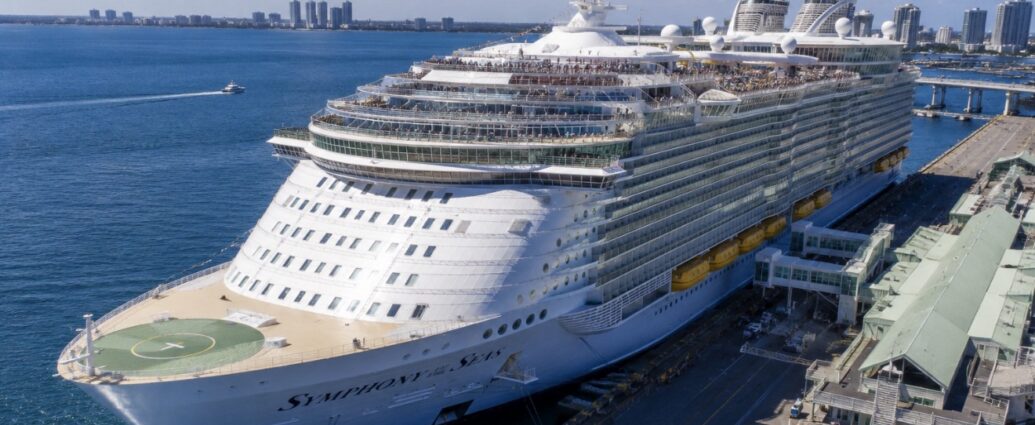
Royal Caribbean Group raised its full-year earnings forecast Tuesday after reporting stronger-than-expected second-quarter results, demonstrating that demand for cruises remains resilient despite geopolitical tensions and broader economic uncertainty. The performance suggests consumers continue prioritizing travel and experiences even as they become more cautious in other areas of discretionary spending.
The company reported second-quarter revenue of approximately $4.8 billion, a 6% increase from a year earlier, while carrying 2.4 million passengers, up 6% from the same period last year. Strong last-minute bookings, higher onboard spending and lower-than-expected operating costs prompted Royal Caribbean to increase its full-year adjusted earnings forecast to between $17.73 and $17.87 per share.
Although executives acknowledged that geopolitical tensions have modestly affected demand for certain itineraries, the company said overall booking trends remain strong and customer spending continues exceeding expectations.
For businesses, the results reinforce a trend that has become increasingly evident across the travel industry.
Consumers may be delaying purchases of homes, automobiles and other big-ticket items, but many continue spending on vacations, entertainment and memorable experiences. Cruise operators, airlines and hotels have generally benefited from that shift as travelers continue prioritizing leisure travel.
Pricing has remained particularly strong.
Royal Caribbean reported higher ticket prices and increased onboard spending as passengers purchased excursions, specialty dining, beverage packages and premium entertainment, helping boost overall profitability beyond ticket sales alone.
The company has also benefited from expanding capacity.
New ships entering service continue attracting first-time cruisers while allowing the company to offer additional premium amenities that generate higher revenue per passenger.
For ports, tourism businesses and local economies, stronger cruise demand translates into broader economic activity.
Cruise passengers spend money before and after voyages on hotels, restaurants, transportation, shopping and entertainment, supporting thousands of businesses in departure cities and destinations worldwide.
Fuel costs remain one of the industry’s largest financial risks.
Although lower operating expenses supported second-quarter results, cruise operators continue closely monitoring oil prices, which can significantly affect profitability if energy costs rise sharply.
The report also reflects changing consumer priorities.
Following several years of pandemic-related disruptions, many households continue allocating a greater share of discretionary income toward travel rather than physical goods, benefiting companies throughout the hospitality industry.
Investors have rewarded cruise operators that continue demonstrating pricing power and strong occupancy levels despite inflation and higher interest rates.
Royal Caribbean’s improved outlook suggests demand remains sufficiently strong to offset many of the cost pressures affecting the broader travel industry.
Looking ahead, management said booking activity remains healthy across most itineraries, although international events and geopolitical developments continue creating uncertainty in selected regions.
For the broader business community, Tuesday’s results indicate that the experience economy remains one of the strongest segments of consumer spending. While many households remain cautious about the economy, they continue demonstrating a willingness to spend on vacations, providing continued momentum for the travel and hospitality industries.
JBizNews Desk | New York
© JBizNews.com All Rights Reserved. Reproduction or distribution without written permission is prohibited.




