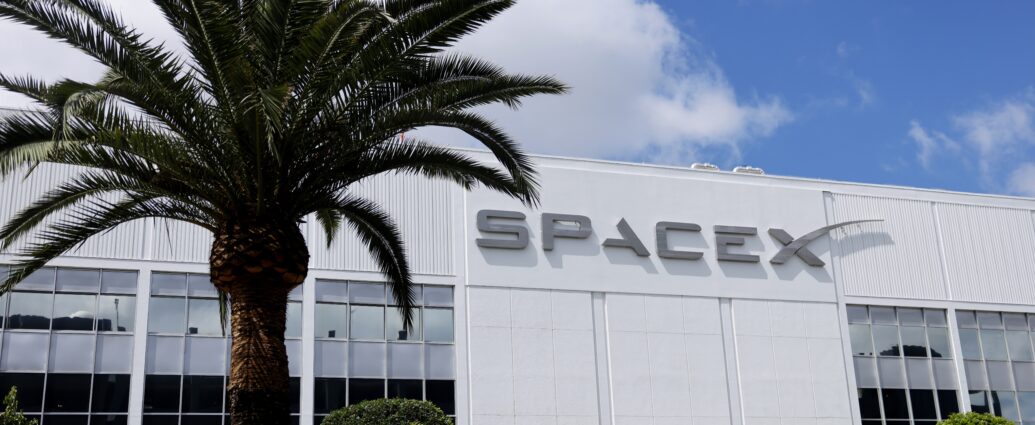
The lockup agreement that has kept SpaceX employees and early investors from selling their stock expired at Thursday’s opening bell, and those shareholders are free to sell during today’s session. Up to 911.5 million shares — worth roughly $101 billion — became eligible for sale, the first opportunity insiders have had to convert their holdings into cash since December 2025.
So far, the market has absorbed it calmly. Shares fluctuated between gains and losses of less than 3% in early trading, with nearly 93 million shares changing hands in the first thirty minutes — about 40% of the previous full day’s total volume. By late morning the stock was trading 0.8% higher at $109.10, after falling as much as 2.9% earlier in the session. It closed Wednesday at $108.27.
What a Lockup Is, and Why This One Is Different
When a company goes public, only a portion of its shares are released for trading. Founders, employees and pre-IPO investors sign agreements barring them from selling for a set period — typically 180 days. The purpose is to prevent a wave of insider selling from overwhelming a stock in its first months, before it has established a trading history. The date those restrictions lift is the lockup expiration.
SpaceX did not follow the standard template. The company structured its lockup with a staggered, nine-stage release schedule rather than a single 180-day expiration, a design intended to reduce the risk of a sudden flood of selling. Under that arrangement, up to 20% of restricted shares became sellable starting Thursday — the second trading day after the company’s second-quarter earnings release. SpaceX posted those results after the close on August 4.
Today’s release is therefore the first stage, not the whole event. A second tranche of 319 million shares is scheduled for August 12, with additional releases continuing through year-end. The complete 180-day lockup runs into early December, at which point as many as 5.33 billion shares would be eligible to trade. A separate extended lockup covering Chief Executive Elon Musk and select other shareholders runs until June 2027.
The Supply Math
The reason this matters comes down to supply and demand. During the restricted period, SpaceX’s share price was set in a market where most of the company’s stock could not participate. The June initial public offering floated 638.9 million shares. Thursday’s unlock adds roughly 43% more, lifting the freely tradable portion of the company to 11.8% of shares outstanding from 4.9%. In absolute terms, shares available for trading climb toward 1.55 billion from about 639 million.
One constraint is working in shareholders’ favor. A separate tranche of up to 455.8 million shares stays locked because SpaceX trades below its $135 offering price — a provision that ties part of the release to the stock’s performance, and one that is currently binding.
Why the Stock Was Already Under Pressure
SpaceX enters this test bruised. Shares sank almost 14% Wednesday, the stock’s second-worst day on record, after the company’s first earnings report as a public company. Revenue reached $7.8 billion for the quarter, and the shares have fallen more than 50% from their June 16 peak of $225.64.
The sell-off on strong revenue requires explanation. The earnings report disclosed larger-than-expected capital expenditures on artificial intelligence. SpaceX is committing substantial sums now to computing infrastructure that will not generate returns for years. Investors decided they were not prepared to fund that timeline, and sold — the same pattern that has hit several technology names this earnings season, where results beat estimates and the stock falls anyway because expectations had already outrun them.
Short sellers moved in aggressively. S3 Partners data show 35% of the available float is currently sold short. That is an unusual concentration of capital positioned against a company roughly two months into public life.
Wall Street Is Split on What It Means
Analysts have largely resisted treating the unlock as a verdict on the business. Mizuho’s Brett Linzey noted that while the step-up in potential supply is meaningful, “eligible for sale does not mean the full tranche will be offered into the market.” Bank of America’s Ron Epstein framed the expiration as a near-term technical drag rather than a judgment on the company, arguing that working through the lockup should eventually relieve pressure on the stock. Morgan Stanley has gone further, characterizing the expiry as an opportunity rather than a risk.
There is a bull case buried in the setup. Short sellers must eventually buy shares to close their positions. If insider selling proves lighter than expected and institutional buyers step in, those shorts become exposed — and a stock that was supposed to fall on supply could instead rise on forced covering. This morning’s muted price action is the first evidence in favor of that scenario.
What to Watch
Volume above all. The first useful signal is trading volume. The early pace suggests activity but not panic. Whether that holds through the afternoon determines whether insiders are steadily distributing stock or standing aside.
The $135 mark. The IPO price is both a psychological reference point and a mechanical one, since it governs whether the additional 455.8 million shares unlock.
The August 12 tranche. With 319 million more shares due in under a week, any selling deferred today does not disappear — it moves.
The distinction worth holding onto is that a lockup expiration is a supply event, not a business event. Nothing about SpaceX’s contracts, operations or outlook changed between Wednesday’s close and Thursday’s open. What changed is how many shareholders are permitted to sell. The market will spend the next several weeks establishing what the stock is worth once that restriction is fully gone.
Intraday figures as of late morning trading, Thursday, August 6.
JBizNews Desk | Wall Street
© JBizNews.com All Rights Reserved. Reproduction or distribution without written permission is prohibited.