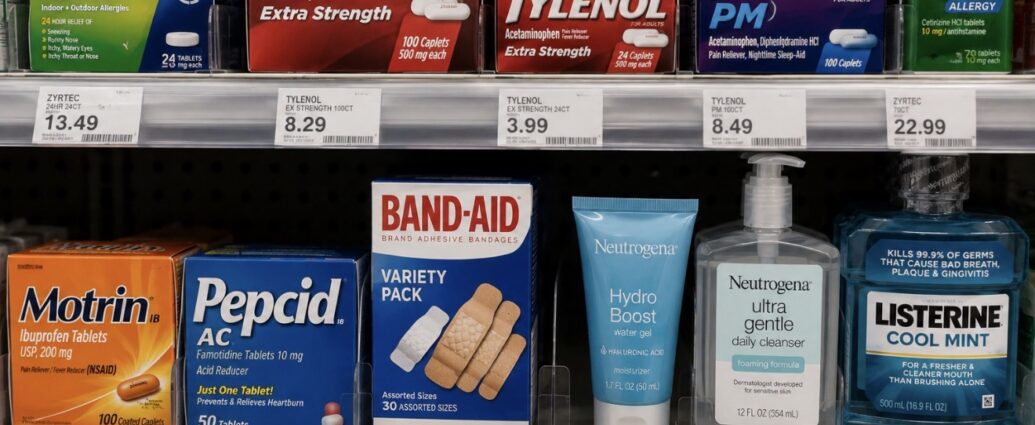
Kenvue, the maker of Tylenol, Band-Aid, Neutrogena, Listerine and Zyrtec, said Thursday that inflation, tariffs and currency pressures are squeezing margins even as sales return to growth — a sign that consumers could continue seeing pressure on prices and promotions across everyday medicines and personal-care products.
The consumer-health company reported second-quarter net sales of $4.1 billion, up 3% from a year earlier, while organic sales rose 1.6%. Adjusted earnings per share increased 7% to 31 cents, but the results narrowly missed Wall Street expectations as higher input costs and trade-related expenses weighed on profitability.
The pressure matters because Kenvue sells products that sit directly in household medicine cabinets and bathroom shelves.
Brands such as Tylenol, Motrin, Zyrtec, Pepcid, Band-Aid, Neutrogena and Listerine give the company broad exposure to consumer spending on products that are often purchased regardless of economic conditions. That also means cost increases can quickly show up through higher shelf prices, fewer discounts or smaller promotional offers.
Kenvue said inflation and foreign-exchange movements continued to pressure margins, while tariffs added another layer of cost across parts of its supply chain. The company has been using productivity savings, supply-chain efficiencies and selective pricing to offset those pressures.
The company’s results also show that shoppers have not stopped buying. Kenvue delivered its third consecutive quarter of net and organic sales growth, with gains across every segment and region. Chief Executive Kirk Perry said the company is continuing to invest behind its brands while cutting costs and simplifying operations.
For consumers, the important question is what happens next. If tariffs and input costs remain elevated, Kenvue and its competitors may have less room to rely on promotions and may increasingly protect margins through pricing, packaging changes or tighter product assortments.
Kenvue is also in the middle of a planned roughly $40 billion acquisition by Kimberly-Clark, a transaction expected to close in the fourth quarter of 2026. The combination would bring together some of the largest brands in consumer health, personal care and household essentials under one corporate structure.
That makes the company’s cost pressures especially relevant beyond investors. Millions of households buy Kenvue products every week, and even modest price increases across medicines, skincare and first-aid products can add up quickly.
The second-quarter results suggest demand remains resilient. The harder challenge is whether Kenvue can absorb higher costs without pushing more of them onto consumers.
JBizNews Desk | Summit, New Jersey
© JBizNews.com All Rights Reserved. Reproduction or distribution without written permission is prohibited.