The federal government has begun stripping Network for Hope of the certification that allows it to serve as the federally designated organ procurement organization for Kentucky and parts of Indiana, Ohio and West Virginia, after repeated reviews found serious patient-safety failures that regulators say were not adequately corrected.
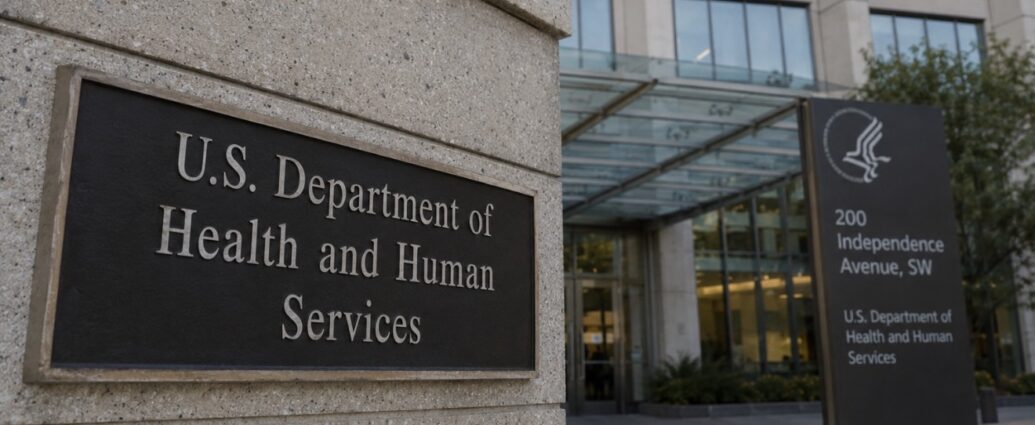
The Department of Health and Human Services announced the action in Lexington on Aug. 5. The process is now underway but is not yet complete, and Network for Hope says it will appeal.
An organ procurement organization, or OPO, coordinates organ donation after a hospital determines that donation may be possible. It evaluates donor suitability, works with families, arranges recovery and helps move donated organs into the transplant system. Network for Hope’s federal designation is overseen through the Centers for Medicare & Medicaid Services, making decertification an existential threat to its ability to continue operating as the region’s OPO.
The most serious issue is not paperwork or performance. It is whether patients were being placed into the organ-donation process when they should not have been.
Between 2021 and 2024, the Health Resources and Services Administration reviewed 351 Network for Hope cases in which organ donation had been authorized but ultimately was not completed. Federal investigators found 103 cases — 29.3% — with concerning features, including 73 patients who showed neurological signs considered incompatible with organ donation.
HHS also said some potential donors may not have been deceased when the procurement process was initiated.
Investigators cited poor neurological assessments, inadequate coordination with medical teams, questionable consent practices and misclassification of causes of death, particularly in overdose cases.
That distinction matters because an OPO does not have the authority to declare someone dead. The determination belongs to the treating hospital physician. Only after the appropriate declaration can the procurement organization assume responsibility for coordinating recovery and matching organs with transplant recipients.
Network for Hope had already been placed under heightened federal scrutiny. HRSA identified significant safety concerns in 2025 and directed the Organ Procurement and Transplantation Network to impose a corrective-action plan and monitoring program.
HRSA and CMS then conducted separate reviews to determine whether the problems had been resolved. Both concluded that the organization had not demonstrated sufficient improvement.
A separate CMS review completed in May found continuing quality concerns involving donor evaluation, review of adverse events and administration. Those findings became part of the basis for beginning the decertification process.
Health Secretary Robert F. Kennedy Jr. said organizations that repeatedly fail federal standards and put patients at risk will be held accountable. CMS Administrator Mehmet Oz said the action was also intended as a warning to other providers participating in federal health programs that patient safety and stewardship of taxpayer dollars are conditions of continued participation.
Network for Hope disputes the government’s conclusions. Chief Executive Barry Massa said the organization strongly disagrees with Kennedy’s decision and will appeal. He said Network for Hope complies with transplant-network policies and has implemented a “pause in procedure” safeguard allowing concerns about a potential donor to stop the process.
Kentucky has since incorporated such a pause requirement into state law.
For hospitals across the four-state service area, the immediate question is continuity. HRSA Administrator Tom Engels said patients served by Network for Hope will continue receiving care while CMS works through the replacement process and federal officials monitor the transition.
The enforcement action is highly unusual. Until 2025, the federal government had never decertified an OPO. CMS moved last year to terminate Miami-based Life Alliance Organ Recovery Agency after finding longstanding deficiencies, and a replacement organization began serving South Florida this year.
The scrutiny surrounding Network for Hope predates this week’s announcement. One of the most prominent cases involved a Kentucky man who survived after reportedly showing signs of consciousness while organ-recovery preparations were underway. Federal findings later broadened the issue far beyond a single patient, identifying dozens of cases involving neurological signs that should have raised concerns about donor eligibility.
The stakes extend beyond one organization. More than 100,000 Americans are currently waiting for organ transplants, and the federal government is trying to tighten safety rules without disrupting a system that depends on rapid coordination among hospitals, OPOs and transplant centers.
If Network for Hope loses its certification after the appeal process, another organization will have to assume responsibility for organ procurement across its territory. The government’s challenge will be replacing the provider without interrupting donations or delaying transplants — while restoring confidence that every potential donor is protected before organ recovery begins.
JBizNews Desk | Lexington, Kentucky
© JBizNews.com All Rights Reserved. Reproduction or distribution without written permission is prohibited.