Volkswagen is preparing to build its first pickup truck in the United States before the end of the decade, part of a broader attempt to fix an American business that has remained small despite decades of investment.
The German automaker is planning new U.S. leadership and a revised product lineup focused more heavily on the vehicles Americans actually buy in large numbers: pickups and large SUVs. Volkswagen currently holds only about 4% of the U.S. auto market, leaving it far behind Toyota, General Motors, Ford and other mass-market competitors.
The important change is strategic: Volkswagen is no longer trying simply to sell more European-style vehicles in America. It is preparing to build specifically for the American market.
Pickup trucks accounted for nearly one-fifth of U.S. vehicle sales last year, and many of the segment’s leading models sell at average prices around $70,000. That makes pickups not only popular but unusually profitable, helping explain why Ford, GM and Stellantis have defended the category so aggressively.
Volkswagen has largely missed that profit pool.
The company sells SUVs such as the Atlas in the U.S., but it has never offered a conventional Volkswagen-branded pickup here. Its global Amarok truck is sold elsewhere and is already produced through a partnership with Ford, giving the two companies an existing relationship that could potentially be expanded.
A final platform and partner have not been chosen, according to people familiar with the plans. Ford is considered one possible partner, but Volkswagen could also pursue the vehicle independently.
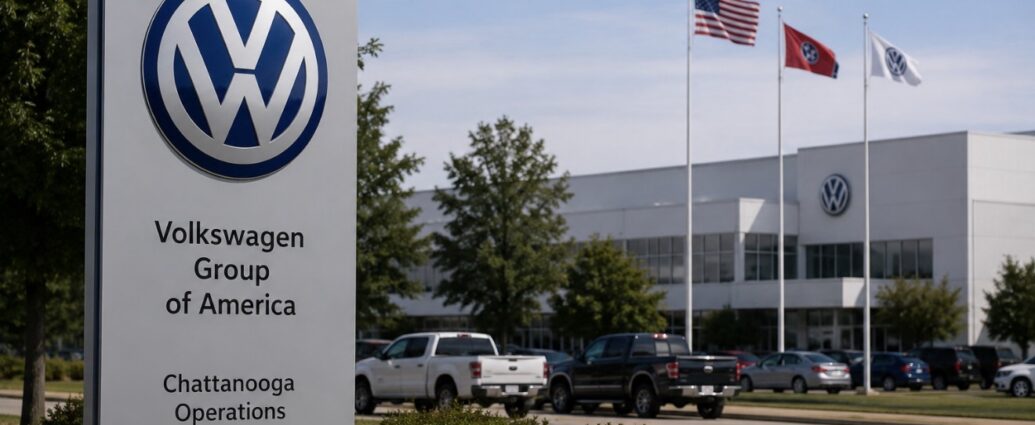
The truck is expected to be produced in the United States, with Volkswagen’s plant in Chattanooga, Tennessee, seen as one possible manufacturing location. That factory has available capacity after production of the electric ID.4 there was discontinued earlier this year following changes to U.S. electric-vehicle incentives.
The move also reflects a broader problem confronting Volkswagen globally.
Competition from Chinese automakers is intensifying, European factories are carrying excess capacity, and management is pursuing major cost reductions across the group. Volkswagen has been considering sharp cuts to both its model lineup and manufacturing footprint as it tries to make the company less complex and more profitable.
That makes the U.S. opportunity unusually important. America remains one of the world’s most profitable auto markets, but Volkswagen has never established the scale here that its global size would suggest.
A successful pickup could begin changing that.
For Volkswagen, the bet is straightforward: if it wants a larger share of the American market, it may finally need to build more of what Americans already want rather than trying to convince them to want something else.
JBizNews Desk | Berlin
© JBizNews.com All Rights Reserved. Reproduction or distribution without written permission is prohibited.