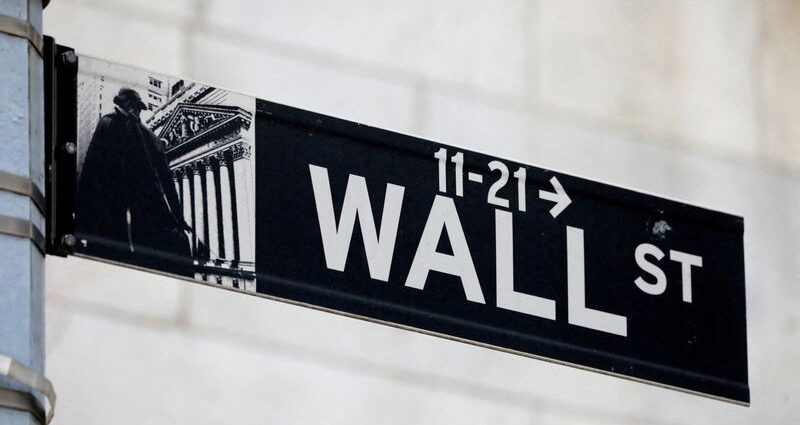
U.S. stocks opened almost unchanged Monday, August 10, as investors returned from a record-setting week but faced another surge in oil prices tied to uncertainty over reopening the Strait of Hormuz. The Dow Jones Industrial Average opened up 35.7 points, or 0.07%, at 54,072.66. The S&P 500 slipped 5.9 points, or 0.08%, to 7,751.74, while the Nasdaq Composite fell 10.2 points, or 0.04%, to 26,680.44. By around 10:00 a.m. ET, the market had drifted modestly lower, with the three major indexes down roughly 0.1% to 0.2%.
The biggest pressure is coming from energy. Brent crude climbed about 2% to roughly $85 a barrel, while U.S. crude approached $80, after Iran tied reopening Hormuz to a series of U.S. concessions. That pushed energy shares including Marathon Petroleum, Occidental Petroleum and Valero higher while airlines, cruise operators and other fuel-sensitive travel companies came under pressure.
Corporate news is producing some unusually large individual moves. Intel fell about 4% after announcing plans for a potential $15 billion stock sale. MarineMax surged more than 40% after Reuters reported Blackstone-owned Safe Harbor Marinas is nearing a roughly $1.5 billion acquisition of the yacht retailer at around $53 a share. Varex Imaging jumped nearly 50% after Teledyne agreed to buy the medical-imaging company for about $1.1 billion, or $18.90 a share in cash.
Berkshire Hathaway is also drawing attention following its first major earnings report under CEO Greg Abel. Second-quarter operating profit rose 16% to nearly $13 billion, while Berkshire accelerated share repurchases, spent heavily on stocks and reduced its enormous cash position. The company bought back about $4.5 billion of its own shares during the quarter and disclosed significant new investments, including a $10 billion Alphabet position.
Monday is a light morning for economic data. There were no major 8:30 a.m. ET federal economic reports, leaving Friday’s surprisingly weak July employment report as the main economic backdrop for trading. The Conference Board’s July Employment Trends Index was scheduled for release at 10:00 a.m. ET; its official release page had not yet posted the new reading at the time of this opening recap. The previous June reading was 106.69.
That leaves markets unusually exposed to headlines. Friday’s report showed the U.S. unexpectedly lost 23,000 jobs in July, helping push the S&P 500 to a record close as traders reduced expectations for a Federal Reserve rate increase in September. Monday’s higher oil prices complicate that picture because sustained energy inflation could make it harder for the Fed to remain on hold even as hiring weakens.
For the rest of Monday, Hormuz and oil are the immediate market risks. Investors will also watch Treasury yields, whether Intel’s decline spreads into semiconductors, and whether Berkshire’s results support financial and industrial shares. The larger test arrives Wednesday, August 12, with July consumer inflation. Economists expect annual CPI inflation to ease slightly to about 3.4% from 3.5% in June. Producer prices follow Thursday, with retail sales and consumer sentiment due Friday.
JBizNews Desk | Wall Street
© JBizNews.com All Rights Reserved. Reproduction or distribution without written permission is prohibited.