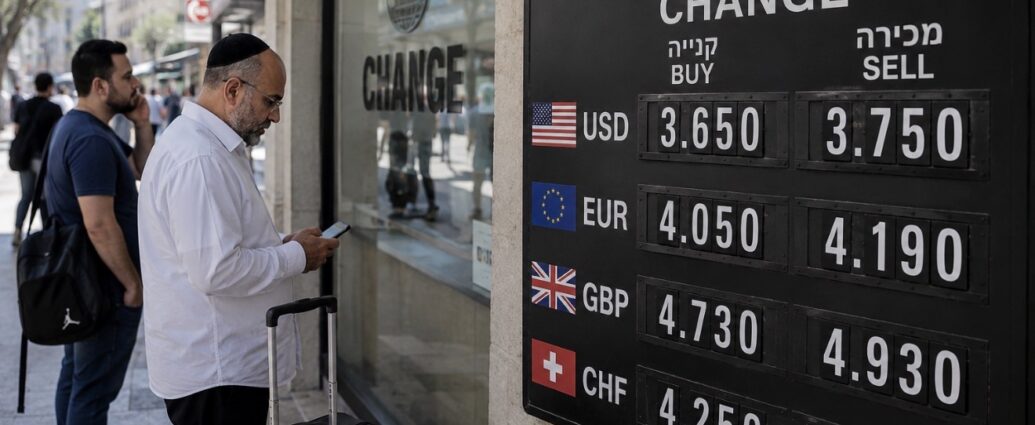
Israeli importers rushed to buy dollars as the shekel strengthened, using the favorable exchange rate to lock in lower costs on goods purchased abroad.
Businesses bought about $12 billion in foreign currency during the second quarter — roughly what they would normally buy in an entire year — according to Bank of Israel data analyzed by Meitav chief economist Alex Zabezhinsky.
The reason is straightforward: Israeli importers often pay overseas suppliers in dollars. When the dollar dropped as low as roughly NIS 2.80, companies could buy dollars cheaply and secure better prices for future shipments of machinery, raw materials and finished goods.
That created a major advantage for importers, but the opposite problem for Israeli exporters. Companies earning dollars overseas received fewer shekels when converting those revenues back home.
The dollar has since returned to around NIS 3, after losing roughly 12% against the shekel over the past year.
Much of the shekel’s strength has come from Israeli pension funds and insurers. They sold about $43 billion in foreign currency over the past year, including $14 billion in the second quarter alone.
Higher currency-hedging costs helped drive those sales. As Israeli interest rates fell while U.S. rates remained relatively high, protecting overseas investments against currency swings became more expensive. Institutions responded by reducing dollar exposure, adding even more strength to the shekel.
Foreign-currency exposure in Israelis’ financial portfolios consequently fell from about 17% to 13%, returning to levels last seen before the judicial overhaul dispute and the October 2023 war.
Israel’s technology sector has added another source of dollars. Israeli tech companies raised nearly $8 billion overseas during the first half of the year, while technology, defense, cybersecurity and research exports continued generating foreign currency.
The strong shekel has clear winners and losers. Importers pay less for foreign goods, potentially helping reduce costs for Israeli consumers. Exporters receive fewer shekels for every dollar they earn.
American companies operating Israeli development centers face the same problem. They generally need to convert dollars into shekels to pay Israeli salaries, rent and taxes, making their Israeli operations more expensive when the shekel strengthens.
Economists now expect some of the extreme currency moves to settle. But U.S. markets remain important: when American stocks rise, Israeli institutions often sell additional dollars to maintain their currency exposure, providing another boost to the shekel.
JBizNews Desk | Tel Aviv
© JBizNews.com All Rights Reserved. Reproduction or distribution without written permission is prohibited.