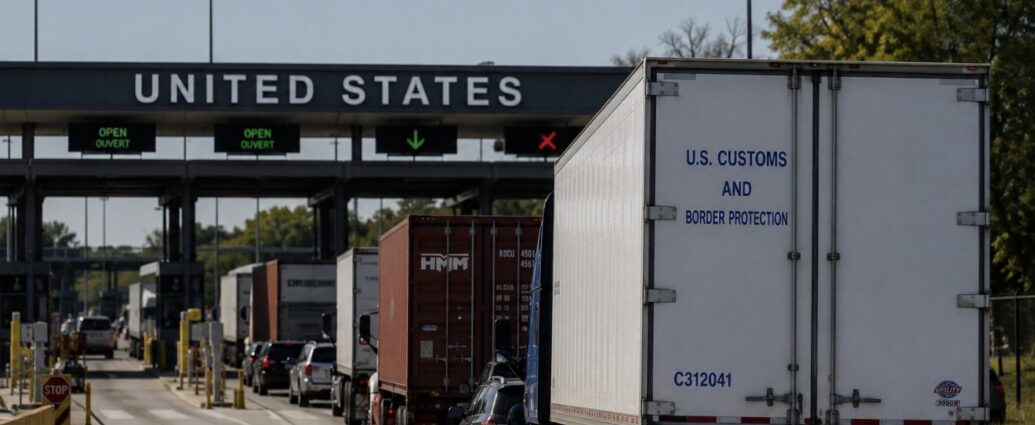
A 50% U.S. tariff lands on roughly $28 billion of Canadian goods on Aug. 19 — wine, hockey sticks, cement and dozens of other products — unless negotiators in Washington can get a package in front of President Trump first. Canada-U.S. Trade Minister Dominic LeBlanc and U.S. Trade Representative Jamieson Greer are aiming to do exactly that as early as Monday, Aug. 17, two days before the deadline. Nothing is agreed yet; what they are assembling is something concrete enough for the president to accept or reject.
The work continued in Washington on Tuesday. LeBlanc met Greer for the third time in as many weeks, with Canada’s chief trade negotiator Janice Charette also at the table. The meeting ran about an hour, and neither Canadian official took reporters’ questions leaving Greer’s office. LeBlanc said afterward that his side remains at the negotiating table and is working to defend Canadian interests.
The deadline comes from an executive order Trump signed last month. It applies the 50% rate to several categories of Canadian goods over what the administration calls discriminatory Canadian trade policies, covering roughly 5% of Canadian exports to the United States.
The bargain on the table is a straight exchange. Washington wants Canada to drop its counter-tariffs on autos and wants provincial bans on American alcohol lifted, and the two sides are trading proposals on how Canada manages its dairy quotas. Those are the same grievances the administration named when it announced the Aug. 19 tariffs: provinces pulling U.S. alcohol off store shelves, and alleged discrimination against American vehicles and dairy.
In return, Ottawa wants relief from the sectoral tariffs already in force, which cost far more than the goods on next week’s list. Canadian government briefing material puts current U.S. duties at 50% on Canadian steel, aluminum and copper, 25% on autos and trucks, and 10% on lumber. Steel, aluminum, lumber and autos are the four sectors LeBlanc and Charette are pressing on. Those are the Section 232 national-security tariffs, and getting them cut is the reason Canada is at the table at all.
Prime Minister Mark Carney has ruled out a narrow version of that trade. Speaking at an aluminum plant in Saguenay, Quebec, last week, he said he was not interested in a targeted deal disconnected from other sectors, and that any agreement must cover autos, steel, aluminum and forest products. He has framed the goal as getting “all 232s to be addressed.” He has also warned Canada will get tougher if nothing is reached before the new tariffs take effect. Opposition leader Pierre Poilievre set the bar higher still, calling for zero tariffs on softwood lumber, an end to the steel and aluminum duties, a tariff-free auto pact and a full exemption from Buy America rules on infrastructure projects.
Whether Trump takes a package that broad is the open question, and it is why the Aug. 17 meeting matters more than any working-level session. David MacNaughton, Canada’s former ambassador to Washington, told CTV News Channel on Tuesday that the president is the only person who will make the final deal, and that he is not sure Trump is ready right now for the comprehensive agreement the Canadian side wants. Canada arrives with what MacNaughton called a “fairly substantial package.”
For American buyers the exposure is concrete. The United States imported about $382 billion of goods from Canada in 2025, and the new tariffs would apply to close to $20 billion of that, by the U.S. Trade Representative’s count. Beverage distributors, ready-mix and construction suppliers and sporting goods retailers sit on the immediate list; steel and aluminum buyers, auto plants and homebuilders are already carrying the sectoral duties. The international heads of the United Steelworkers and the machinists’ union have written to Greer asking the administration to hold off on the 50% levies.
A larger piece is riding on the same talks. Canada is hoping the negotiations also produce an extension of the North American trade agreement, after the Trump administration declined to renew it in July. Reporting last week indicated Ottawa would prefer to book any tariff relief in side letters rather than reopen the pact itself, and that it expects to accept some level of U.S. metals tariffs — a structure that trades concessions on the irritants for a lower rate without touching the underlying agreement.
Nothing changes at the border before Aug. 19. The rates in effect today are the ones that have been in place for months. What the Aug. 17 meeting decides is whether a 50% wall goes up around a list of Canadian goods that American buyers cannot replace on short notice.
JBizNews Desk | Washington
© JBizNews.com All Rights Reserved. Reproduction or distribution without written permission is prohibited.