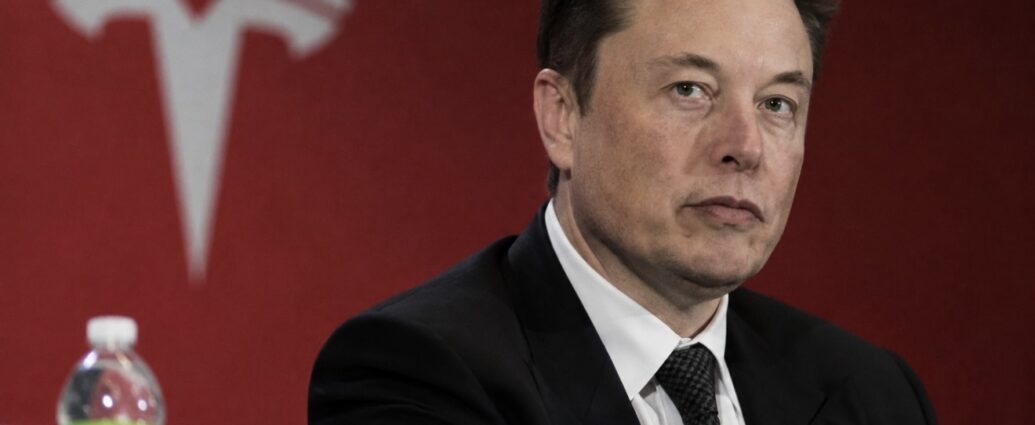
CEO compensation across America’s largest companies surged to a record in 2025, with new data showing that massive performance-based awards once associated mainly with Elon Musk are beginning to reshape executive pay across corporate America.
Average compensation for S&P 500 chief executives, excluding Musk, jumped 21% to $22.8 million last year, according to the AFL-CIO’s latest Executive Paywatch study released Thursday. That is the highest level since the labor federation began tracking the figure in the 1990s.
The average CEO-to-worker pay ratio also widened to 312-to-1, up from 285-to-1 a year earlier.
The numbers become dramatically larger when Musk’s Tesla compensation is included.
Tesla shareholders approved a restricted-stock package valued by the company at roughly $158 billion, pushing average S&P 500 CEO compensation to about $340.1 million when Musk is counted. The average CEO-to-worker pay ratio then rises to 5,387-to-1.
Musk’s package is an extreme outlier, but compensation experts and labor officials say its influence is spreading.
Corporate boards increasingly are using enormous stock awards tied to long-term performance targets as a way to retain executives and align their fortunes with shareholders. That structure can keep annual cash salaries relatively modest while creating the possibility of extraordinary payouts if companies hit ambitious valuation, earnings or share-price goals.
The shift is producing some eye-catching packages far beyond Tesla.
Goldman Sachs paid CEO David Solomon about $118.9 million last year, including a large retention award. Real-estate investment trust Welltower awarded CEO Shankh Mitra compensation valued at roughly $821 million, structured to cover much of his pay over the coming decade.
Investors are not automatically rejecting those packages.
Average shareholder support for advisory “say on pay” votes at S&P 500 companies stood at 90.6% through late June, according to compensation consultant Semler Brossy, suggesting most investors still support large executive packages when they believe the incentives are tied to performance.
Special one-time awards, however, have generated more resistance.
Only about 19% of shares voted supported Welltower’s package, while Goldman’s compensation plan received 71% support — still a majority, but well below the typical level.
The pay growth also comes as worker wages are rising much more slowly.
Mean annual wages for U.S. workers reached about $69,770 in 2025, up roughly 3% from a year earlier, according to Labor Department data cited in the report.
That widening difference is likely to intensify debate over how companies divide the value they create among executives, workers and shareholders.
For businesses, however, another issue is emerging.
Once a handful of companies begin offering executives potentially life-changing stock packages, competitors may feel pressure to do the same to retain their own leaders.
That means Musk’s compensation model could ultimately matter far beyond Tesla.
What began as an extraordinary attempt to keep one of the world’s most prominent executives tied to a company is increasingly becoming a reference point inside corporate boardrooms — and helping redefine just how large a CEO payday can become.
JBizNews Desk | New York
© JBizNews.com All Rights Reserved. Reproduction or distribution without written permission is prohibited.