The artificial-intelligence investment boom is beginning to reshape more than technology stocks. It is increasingly competing with governments and businesses for the same pool of long-term capital — and helping drive inflation-adjusted borrowing costs to levels not seen in nearly two decades.
The real yield on 30-year U.S. Treasury debt is hovering around 3%, near its highest level in roughly 18 years.
Real yields measure what investors earn after accounting for expected inflation. For companies, they are one of the clearest measures of how expensive long-term money actually is.
The pressure is coming partly from an extraordinary wave of borrowing.
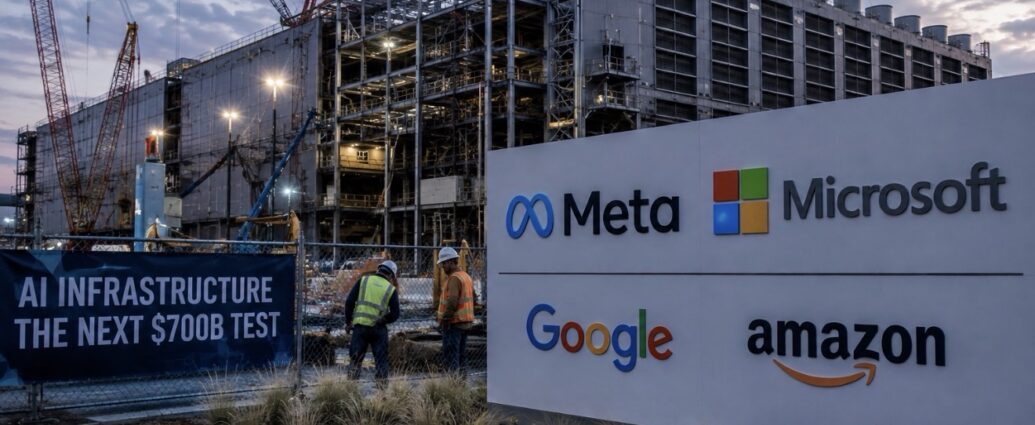
Alphabet, Amazon, Meta and other large technology companies are spending hundreds of billions of dollars building AI data centers, purchasing chips, securing electricity and expanding cloud infrastructure. Increasingly, some of that expansion is being financed through the bond market.
Major AI-focused technology companies have already raised roughly $220 billion through bonds in 2026, substantially more than during the same period last year.
At the same time, governments are borrowing heavily.
The U.S. Treasury must finance large federal deficits while corporations are simultaneously asking investors to fund one of the largest infrastructure buildouts in technology history.
That creates competition for capital.
When more borrowers want money, bond investors can demand higher yields before agreeing to lend it.
The result is beginning to spread well beyond Silicon Valley.
Higher long-term Treasury yields influence the cost of corporate bonds, commercial real estate financing, mortgages, infrastructure projects and other loans extending decades into the future.
That helps explain one of the strange signals coming from markets this week.
Short-term Treasury yields have fallen as cooler inflation reduces expectations that the Federal Reserve will raise rates in September.
But long-term borrowing costs remain stubbornly high.
Thursday’s $25 billion auction of 30-year Treasury bonds required a yield of about 5.22% — the highest at a 30-year auction in roughly 25 years.
In other words, investors are becoming somewhat more comfortable with what the Fed may do over the next several months while demanding considerably more compensation to lend money for decades.
AI is not solely responsible.
Large government deficits, reduced central-bank bond buying and continued uncertainty over inflation are also pushing long-term yields higher.
But the AI infrastructure boom is adding another enormous borrower to an already crowded market.
For businesses outside technology, that creates an unexpected consequence.
The trillions being invested to build artificial intelligence may eventually increase productivity and lower costs across the economy.
In the meantime, the race to finance that infrastructure may be helping make long-term money more expensive for almost everyone else.
JBizNews Desk | Wall Street
© JBizNews.com All Rights Reserved. Reproduction or distribution without written permission is prohibited.