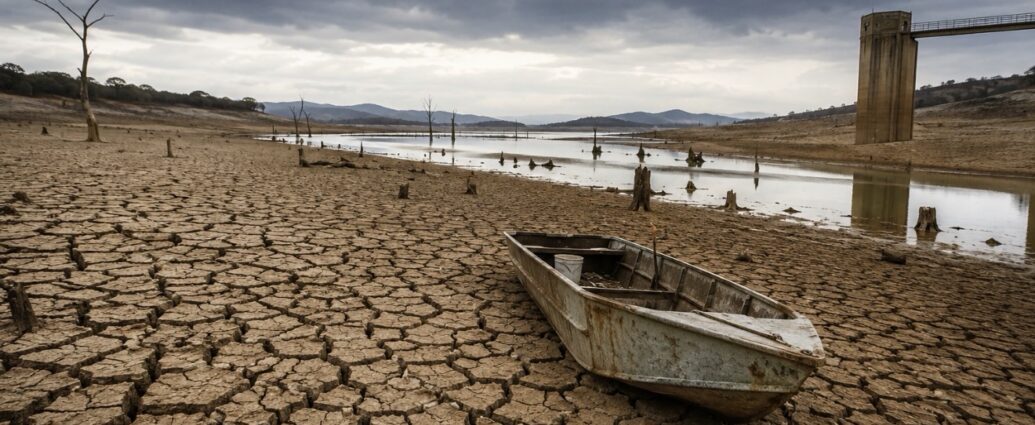
A patch of the Pacific Ocean is warming up, and by next year it will show up in what Americans pay for chocolate, coffee, rice and cooking oil. Federal forecasters said Thursday that El Niño now has better than a 90% chance of becoming a very strong event through the fall and winter of 2026-27, with a 69% chance by autumn of the strongest one recorded since 1950.
The mechanism is simple. Trade winds along the equator normally push warm surface water west toward Asia. When those winds slacken, the warm water slides back east toward South America, and because rain forms over warm water, the world’s storm tracks move with it. For the United States, that means the winter jet stream drops south.
Here is where it lands at home. California, Arizona, New Mexico, Texas, the Gulf Coast states and Florida typically run wetter and stormier from December through March in a strong El Niño — more rain, more flooding risk, more mudslides in Southern California, and a heavier commercial insurance loss year along the Gulf. The northern tier is the opposite: Montana, the Dakotas, Minnesota, Wisconsin, Michigan, upstate New York and New England usually run warmer and drier, which cuts natural gas and heating oil demand and lowers winter utility bills. Washington State and Oregon tend toward a dry winter and a thin mountain snowpack, which matters the following summer for irrigation and hydroelectric output.
One piece of it works in America’s favor. Strong El Niño winters shear apart Atlantic hurricanes, which lowers storm risk for the Gulf and East Coast and takes pressure off property insurers, while pushing storm activity toward Hawaii and Mexico’s Pacific side.
Domestic agriculture comes out mixed. A wet southern winter refills California reservoirs and helps almond, citrus and vegetable growers in the Central Valley, and gives the Southern Plains winter wheat crop in Kansas, Oklahoma and Texas moisture it usually lacks. The Corn Belt sees comparatively weak effects. The American grocery problem is not what the country grows. It is what the country imports.
That is where the trouble sits, and it sits in four aisles. Cocoa, meaning nearly all American chocolate, comes overwhelmingly from Ivory Coast, Ghana, Nigeria and Cameroon, which turn hot and dry in an El Niño. Palm oil, which appears in a large share of packaged baked goods, snacks and shelf products, comes from Malaysia and Indonesia, which dry out on a three-to-nine-month delay. Rice, sugar and robusta coffee — the base of most instant coffee — come out of the same drought-exposed belt. Arabica coffee, grown in Brazil and Colombia, is the exception and can actually improve, since South American growing conditions often get better. The drip coffee may hold. The candy bar will not.
Markets have already started pricing it. New York cocoa futures pushed past $5,000 a tonne in late June, the highest since January, up roughly 19% that month. Societe Generale data showed agricultural commodity prices up 7% in a month in mid-2026, with cocoa, coffee and wheat rising 8% in a single week.
American shoppers feel it on a delay, which is the part worth planning around. Traders move on the forecast; supermarkets move on the harvest. Retail food prices have historically absorbed the full effect six to twelve months after the event peaks — so a fall peak puts it on the shelf across 2027, long after the weather story has gone quiet.
The trillion-dollar figures come from research that changed how economists think about this. The 1982-83 El Niño is estimated at $4.1 trillion in lost global income and the 1997-98 event at about $5.7 trillion, and Dartmouth’s Justin Mankin has said current forecasts imply this could be the costliest on record. The same research found the drag can persist as long as 14 years — economies do not simply take the hit and recover. Mankin, who directs Dartmouth’s Climate Modeling and Impacts Group, laid that out on Bloomberg’s Odd Lots podcast on Friday.
The American concern is therefore twofold and neither half is abstract. Food inflation returns through imported ingredients roughly a year from now, at a moment when household budgets are already carrying record gasoline and diesel prices. And the southern half of the country faces a wet, storm-heavy winter with flood exposure in states that have spent the year in drought.
The lead time is the advantage. Unlike a hurricane, this is visible months ahead, which is why food manufacturers and restaurant chains are hedging cocoa, sugar and palm oil now rather than at the peak, why utilities in the northern states are adjusting winter demand forecasts, and why emergency managers from Los Angeles County to the Florida panhandle have the runway to prepare drainage and floodplain response before the storm track arrives. Fitch’s analysis found the worst damage falls on poorer agricultural economies, but warned that sustained shortages could lift food prices enough to affect inflation even in wealthy countries.
Impacts vary considerably by location and season and none are guaranteed, and NOAA’s own forecast lead said she sees nothing unusual about how this one is developing or how long it should last. The odds are heavily tilted. They are still odds.
JBizNews Desk | New York
© JBizNews.com All Rights Reserved. Reproduction or distribution without written permission is prohibited.