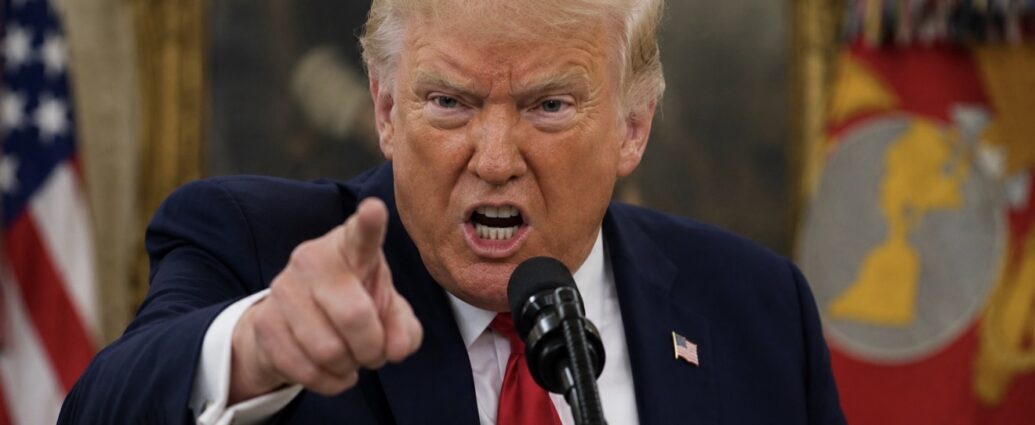
Oman is quietly working out a deal with Iran on how ships will move through the Strait of Hormuz. Washington, which has been blockading Iranian ports for months, does not want anyone but the United States deciding who sails through. On Monday, Aug. 17, President Trump said that if Oman gets in the way, American forces will bomb it.
Trump made the threat in a phone interview with Fox News, saying the blockade is squeezing Iran and that he has set no timeline for ending the conflict because he is in no hurry. He used an expletive. Speaking of informal contacts with Iran’s Revolutionary Guard, he said they are good poker players who are dying anyway.
Oman matters here for one reason: geography. Iran owns the northern shore of the strait, Oman owns the southern shore, and every tanker leaving the Gulf sails between the two. Oman is a Gulf Cooperation Council member that has kept close ties to Washington while preserving relations with Tehran, and has served for years as the back channel between them. This is the first time Trump has aimed that kind of language at a longtime American partner in the region.
What set it off is a shipping arrangement. Iranian foreign ministry spokesman Esmail Baghaei said Monday that Tehran and Muscat had reached an understanding on the map of a transit route, with the two sides finalizing a joint statement. Ships would enter along the Iranian coast and exit along a lane off Oman, and during the interim period vessels would pass without paying tolls. The threat landed as that understanding was being announced. The 60-day interim agreement between Washington and Tehran expires Monday, with talks to reopen the waterway deadlocked.
The money side is where American households feel it. Brent settled around $88 a barrel Monday, roughly flat on the day and about 33 percent higher than a year ago. West Texas Intermediate also traded near flat. Hormuz normally carries about a quarter of the world’s seaborne oil — roughly one barrel in four — and Iran has restricted navigation there since Feb. 28.
At the pump, the national average for regular gasoline was $4.07 on Aug. 13, the highest August average AAA has ever recorded, against $3.16 a year earlier. That is about 90 cents more per gallon, or close to one dollar in four added to every fill-up. California drivers averaged $5.58 and Hawaii $5.43, while Louisiana was cheapest at $3.57. AAA attributes the gap to crude prices rather than demand, which is actually down.
For shippers, the practical fix on the table is the Iran-Oman route itself, which would give tanker owners a marked lane and a known cost instead of guesswork. American officials say the Navy is expanding its ability to escort vessels through the strait, though owners still consider the passage risky and some tankers have been switching off their transponders. Meanwhile, Middle Eastern producers have been moving millions of barrels through the waterway quietly, which has kept prices from climbing further, and additional Gulf crude is expected to reach American refiners.
The pressure track runs alongside the military one. Treasury Secretary Scott Bessent said Washington would impose unprecedented economic measures on Iran while keeping the naval blockade in place, with more announcements expected. Israel struck Lebanon over the weekend, killing 11 people including a senior Hezbollah commander, and the International Energy Agency has warned of the widest global supply shortfall in five years.
For American businesses running trucks, planes or freight contracts, the question is not whether Oman gets bombed. It is whether a working transit lane opens before the fall shipping season locks in fuel costs at these levels.
JBizNews Desk | New York
© JBizNews.com All Rights Reserved. Reproduction or distribution without written permission is prohibited.