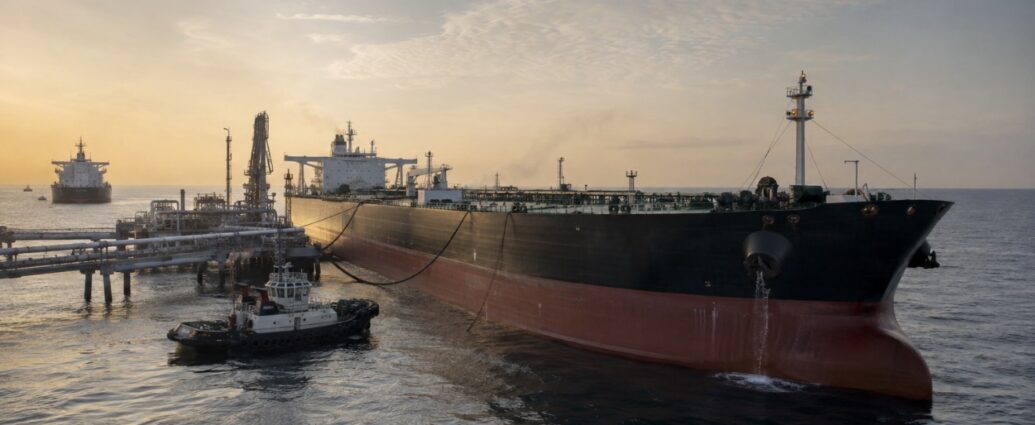
China has made an unusually large spot purchase of Saudi oil, but the deal is less a return to normal buying than an emergency adjustment to a supply system reshaped by the Iran war.
State-owned PetroChina and Sinochem, along with Sinopec’s trading arm Unipec and private refiner Rongsheng Petrochemical, purchased a combined 10 million barrels of Saudi Arab Medium and Arab Heavy crude through a rare tender. Additional Saudi barrels were secured through long-term contracts.
The purchase is large enough to supply China’s refineries for roughly 20 hours. It is still small compared with the volumes that have disappeared from the country’s normal import system.
China imported 8.41 million barrels of crude a day in July, 24.3% less than a year earlier and more than 3 million barrels a day below levels seen before the conflict disrupted the Strait of Hormuz. Refineries responded by reducing fuel production, limiting exports and drawing on oil already stored inside the country.
The new Saudi cargoes are designed to reduce the shipping risk. At least 4 million barrels are expected to load from facilities outside the Strait of Hormuz, allowing the tankers to avoid the waterway that once carried approximately one-fifth of the world’s oil and gas shipments.
That alternative route has become increasingly valuable as Iranian supplies disappear. Iran’s shipments have fallen to approximately 534,000 barrels a day in August from an average of 1.4 million last year. China historically purchased more than 80% of Iran’s exported oil, much of it at discounts attractive to smaller independent refineries.
The Saudi purchase therefore does not necessarily signal stronger Chinese consumer demand. It shows Chinese refiners replacing oil they can no longer obtain safely or cheaply from Iran while protecting themselves against another tightening of Gulf shipping.
The shift matters beyond China. Saudi Arabia can charge for the security of crude loaded outside Hormuz, while Brazil, Iraq and other exporters gain an opportunity to replace Iranian barrels. Tanker operators, insurers and refiners must also recalculate the value of routes that avoid the Gulf’s most dangerous bottleneck.
China has enough stored oil to avoid panic buying, which has helped prevent the disruption from pushing global crude prices even higher. But inventories can only delay the decision. If Iranian supplies remain blocked and Chinese refineries begin rebuilding production, Beijing may have to return to the international market for far more than 10 million barrels.
JBizNews Desk | Beijing
© JBizNews.com All Rights Reserved. Reproduction or distribution without written permission is prohibited.