LOS ANGELES — The cost of moving goods across the United States is climbing again, and this time the pressure is coming from fuel surcharges layered onto shipping bills.
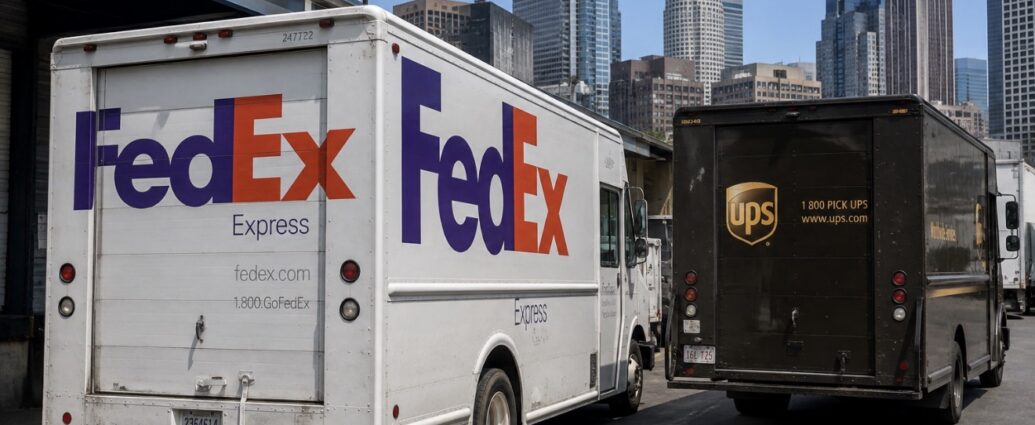
UPS and FedEx have both pushed those charges sharply higher in recent years. An analysis by AFS Logistics cited Friday puts the surcharge on everyday packages at roughly 24.25% for UPS and 23.75% for FedEx, compared with about 9% for UPS in 2021.
Those fees are added on top of base shipping rates.
For retailers, manufacturers and small businesses, that means every package costs more to move. And those higher transportation costs rarely stay confined to the shipping department.
They eventually work their way into delivery charges, product prices and the overall cost of doing business.
The increase is not limited to parcel delivery.
Container-shipping fuel surcharges have risen by as much as 75% this year, even though marine fuel costs increased by roughly 30%, according to VesselBot data.
That gap is drawing attention because fuel surcharges were originally designed to help carriers recover higher energy costs.
Critics now argue that in some parts of the transportation industry, those fees are generating profits beyond the underlying increase in fuel.
Union Pacific provides the clearest public example. The railroad collected $91.1 million more in fuel-surcharge revenue than it spent on fuel in the second quarter, boosting profit by $83.2 million.
UPS has said fuel surcharges had only a modest effect on its overall operating profit. FedEx said the charges were not a material driver of adjusted operating income.
Still, the broader trend is clear.
The transportation system is becoming more expensive at nearly every level — rail, trucking, parcel delivery and ocean freight.
For consumers, the impact may not appear as a line item marked “fuel surcharge.”
Instead, it can show up as a higher online delivery fee, a more expensive appliance, a higher grocery bill or a small-business owner quietly raising prices to cover logistics costs.
That is why the surge matters.
Fuel prices are not just hitting drivers at the pump.
They are increasingly working their way through the entire supply chain — and ultimately into the price consumers pay at checkout.
JBizNews Desk | Los Angeles
© JBizNews.com All Rights Reserved. Reproduction or distribution without written permission is prohibited.