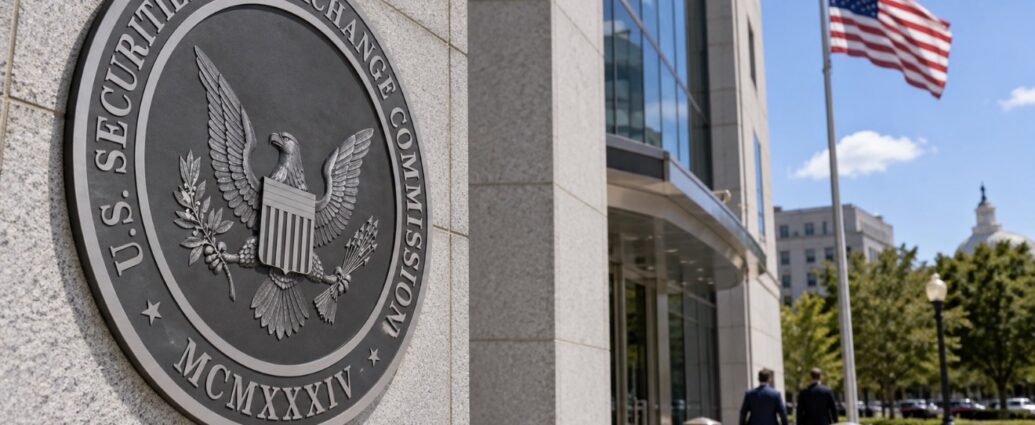
The Securities and Exchange Commission is moving to eliminate a 16-year-old rule that can punish investment advisers when employees make political contributions to state or local officials.
The SEC proposed Thursday to repeal its so-called “pay-to-play” rule, which can prevent an investment adviser from receiving compensation from a government client for two years after certain political contributions are made.
The rule was originally designed to prevent investment firms from effectively buying access to lucrative government business.
That can include managing money for:
- State pension funds
- Municipal retirement systems
- Public investment pools
- Other state and local government accounts
The SEC now says the rule has become too broad and too difficult to administer.
What the Rule Does Today
The rule does not simply prohibit bribery.
It goes much further.
If certain employees of an investment firm make political contributions to officials who can influence the selection of investment advisers, the firm can be barred from receiving advisory fees from that government client for two years.
That can happen even when the contribution itself is relatively small.
It can also affect a company when an employee made the contribution before joining the firm.
That is one reason large financial companies often maintain extremely strict internal political-contribution policies.
Some effectively prohibit certain employees from making state or local political donations at all.
Why the SEC Wants It Gone
SEC Chairman Paul Atkins says more than 15 years of experience have shown that the rule produces consequences that go beyond preventing corruption.
According to the SEC, firms have complained that the rule is operationally difficult and can function almost like a strict-liability system.
A relatively minor mistake can potentially create major consequences.
Atkins also argues that the rule has discouraged legitimate political participation because employees know their personal donations could create problems for their employer.
The SEC’s position is that political contributions should generally be governed by state laws, local ordinances and federal election rules, rather than a specialized SEC restriction.
What Would Actually Change
The proposal would repeal Investment Advisers Act Rule 206(4)-5.
It would also remove related recordkeeping requirements tied specifically to political contributions.
But this does not mean investment managers would suddenly be free to bribe politicians for public pension business.
Fraud laws would remain.
Investment advisers would still owe fiduciary duties to clients.
SEC compliance and ethics requirements would remain.
State and federal anti-corruption laws would also continue to apply.
The change is narrower:
The SEC would no longer automatically impose this specific two-year compensation ban because of covered political contributions.
Why Wall Street Cares
Government money is enormous.
Public pension funds collectively manage trillions of dollars.
Winning one large state or municipal investment mandate can generate significant fees for an asset manager.
That is why firms have spent years building complicated compliance systems around political giving.
Employees may have to pre-clear donations.
Companies maintain contribution databases.
New hires may undergo political-contribution reviews.
A repeal could significantly reduce that compliance burden.
For large private-equity firms, hedge funds, asset managers and investment advisers seeking government business, that could be meaningful.
Why Critics May Be Nervous
The original rule existed for a reason.
Government officials often play a role in deciding who manages public money.
That creates an obvious potential conflict.
An investment manager could make political contributions to an official and later win a contract managing pension assets.
Even if both decisions were technically legal, the appearance of influence can damage confidence in how public money is allocated.
Supporters of the existing rule argue that strong restrictions help prevent exactly that kind of relationship.
The SEC now believes existing fraud, fiduciary and ethics rules are enough.
That debate will likely become the central issue during the public-comment period.
This Is Not Final Yet
The rule has not been repealed yet.
The SEC has issued a proposal.
The public will have 60 days after publication in the Federal Register to submit comments.
After reviewing those comments, the Commission could approve the repeal, modify it or decide not to proceed.
So investment firms cannot simply abandon their existing compliance procedures today.
The current rule remains in effect unless and until the SEC formally rescinds it.
What It Means for Businesses
For investment firms that manage — or want to manage — government money, this could remove one of the most cumbersome political-compliance requirements in the industry.
It could also give employees more freedom to participate personally in state and local politics without worrying that a small contribution could cost their company a major government contract.
But it also moves more responsibility onto firms and government officials themselves.
Without the automatic two-year penalty, regulators would rely more heavily on traditional anti-fraud and anti-corruption enforcement to police genuine pay-to-play arrangements.
The SEC’s message is essentially this:
Punish actual corruption, but stop treating every political contribution as a potential securities-law violation.
If the proposal becomes final, it would mark a significant change in how Wall Street firms navigate the intersection of politics and public money.
JBizNews Desk | Washington
© JBizNews.com All Rights Reserved. Reproduction or distribution without written permission is prohibited.