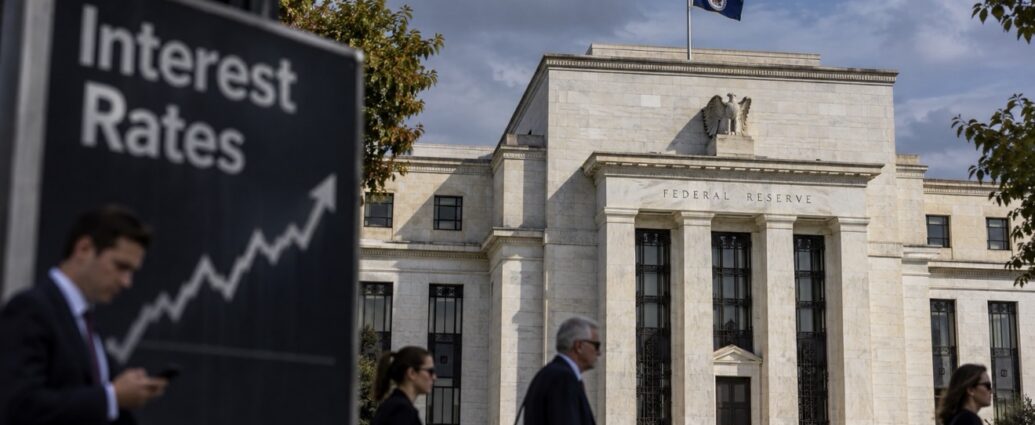
Wall Street enters the new week with two inflation reports carrying unusual weight as the Federal Reserve prepares to decide interest rates just days later.
The next major test for markets is no longer earnings.
It is inflation.
The U.S. government will release the August Producer Price Index on Thursday, September 10, followed by the Consumer Price Index on Friday, September 11, both at 8:30 a.m. ET.
Those numbers will arrive only days before the Federal Reserve begins its next two-day policy meeting on September 15–16.
That timing makes this week especially important.
The Fed will have little distance between the inflation data and its rate decision, meaning any meaningful surprise in prices could quickly reshape expectations for monetary policy.
The latest official CPI data showed that consumer prices rose 0.1% in July and were up 3.4% from a year earlier. Core inflation, which excludes food and energy, rose 0.2% for the month and 2.5% over the year.
Now the question is whether August shows inflation continuing to cool — or beginning to reaccelerate.
That question has become more complicated because energy prices have moved sharply higher.
Oil prices have climbed as geopolitical tension intensifies, raising the risk that higher transportation and fuel costs eventually work their way back through the broader economy.
At the same time, the labor market remains an important part of the Fed’s calculation.
Friday’s August employment report gave policymakers another major piece of evidence on the strength of the economy before they vote.
The Fed’s September meeting is also one of the meetings accompanied by updated economic projections, making it an important opportunity for policymakers to show how their expectations for inflation, growth and interest rates have changed.
What It Means for You
This week could determine whether businesses and consumers get closer to interest-rate relief — or have to prepare for borrowing costs to remain higher for longer.
A softer inflation report would give the Fed more room to move toward lower rates.
A hotter report would do the opposite.
That matters directly for mortgages, business loans, credit cards, commercial real estate financing and corporate borrowing.
It also matters for stocks.
Markets have spent much of the year trying to determine when the Federal Reserve will become comfortable enough with inflation to ease monetary policy.
This week could provide the clearest answer yet.
The calendar is simple:
Thursday: wholesale inflation. Friday: consumer inflation. September 16: the Federal Reserve decision.
For Wall Street and Main Street alike, those three dates could set the direction for interest rates heading into the fall.
JBizNews Desk | New York
© JBizNews.com All Rights Reserved. Reproduction or distribution without written permission is prohibited.