For the first time in the four-year history of the Fortune 500 Europe, the U.K. overtook Germany as the country with the most companies on the list: 76 compared with 73.
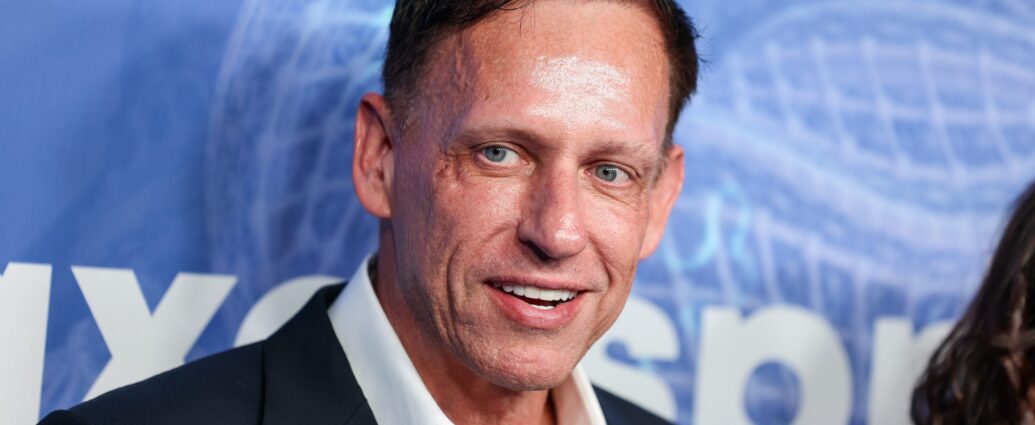
But to billionaire investor Peter Thiel, the shift is part of a broader problem facing his birth country: Germany has struggled to create—and, perhaps more importantly, scale—the next generation of global companies.
“There’s a fear of failure,” Thiel said on the MDMEETS podcast, speaking about German entrepreneurship. “People are risk-averse and things like that, and maybe that’s true, but the dimension I want to also push back on is perhaps there’s also a fear of success.”
“If you have something that works—you’re not going to scale it to this extreme degree like an Elon Musk or Mark Zuckerberg,” he told fellow German billionaire and media mogul Mathias Döpfner. Instead, Thiel argued, German entrepreneurs are more likely to sell or exit their companies before they become truly global businesses.
“What’s very striking is how few great new companies have been built in Germany in the last number of decades,” Thiel added.
Germany has largely fallen behind some of its peers in innovation. The country has a fraction of the unicorns found in the U.S. and China, and its performance has begun to lag behind several European neighbors. In the European Union’s 2026 Innovation Scoreboard, Germany ranked No. 10, behind countries including Austria, Luxembourg and Ireland.
Thiel warns that too many rich Germans are inheriting their wealth—not building companies and creating jobs
Thiel was born in Frankfurt, Germany, in 1967, but his family immigrated to the U.S. when he was a year old, briefly settling in Cleveland before eventually moving to California. He later earned a bachelor’s degree in philosophy and a law degree from Stanford University.
He later turned to business and investing, cofounding PayPal and Palantir and becoming one of the earliest outside investors in Facebook. Today, his net worth is estimated at $37.2 billion. An influential, though often controversial, Silicon Valley investor, Thiel pointed to differences in how wealth is accumulated among the richest people in the U.S. and Germany as another example of the gap he sees between the two countries’ entrepreneurial cultures.
Thiel estimated that among the 50 wealthiest people in the U.S., about a dozen are Gen X or younger. In Germany, he counted roughly 20 people in that age group. While most of those people in the U.S. built their fortunes themselves, in Germany, all inherited their wealth.
“Not a single person did something new, made some new money, built a large new scalable company,” Thiel said. “Of course I’m just looking at this very extreme—but for each of those people [in the U.S.], they created thousands of millionaires in their companies, tens of thousands of other jobs, they added to the economy in lots of different ways.”
Germany’s auto giants helped fuel its economic rise. Now they’re struggling to keep pace
For decades, the automobile industry has been a cornerstone of Germany’s economic success, with Berlin-based Volkswagen long ranking as Europe’s largest company by revenue.
The 89-year-old automaker reached its highest position on the Fortune Global 500 in 2017, ranking No. 6, with revenue surpassing that of companies including Shell, Berkshire Hathaway and Apple.
But since then, Volkswagen has faced major challenges, including fallout from its emissions scandal and mounting competition from Chinese automakers as the global industry shifts toward electric vehicles. It now sits at No. 13 on the Global 500.
Earlier this month, Volkswagen adopted a major restructuring plan, which includes cutting the number of models it offers by roughly half and reducing its workforce by 50,000 positions, on top of roughly 50,000 cuts already agreed to over the past two years. The company’s stock is down more than 35% year to date.
Volkswagen isn’t alone. Fellow German auto giants BMW and Mercedes-Benz, No. 50 and No. 51 on the Global 500, respectively, have also seen their shares fall more than 20% over the past year, adding to concerns about the country’s economic competitiveness.
This story was originally featured on Fortune.com