Researchers at Ben-Gurion University of the Negev have identified how two proteins help stressed cells survive, pointing drug developers toward a possible way to make cancer cells more vulnerable to treatment. The laboratory findings offer a direction for research into chemotherapy resistance, but do not establish a new treatment or a benefit for patients.
The study focuses on DNAJB12 and DNAJB14, proteins that help regulate a survival pathway inside cells. Understanding when that pathway operates—and when it gives way to programmed cell death—could help researchers design medicines that interfere with a tumor’s defenses.
Led by Dr. Aeid Igbaria, the team included co-lead authors Laila Abu Madegam and Noa Gavriel, along with Raifu Tolulope Adebisi, from the university’s Department of Life Sciences. Their paper appears in the October 2026 volume of the peer-reviewed journal Redox Biology. The university described the findings in September, before wider coverage on October 12.
The problem has consequences far beyond the laboratory. The U.S. National Cancer Institute says drug resistance can prevent cancer treatment from working or allow cancer to return. Resistance can already exist before treatment or develop during or afterward, and it can arise through several different mechanisms.
This study examines one cellular survival mechanism. Inside a cell, the endoplasmic reticulum helps manufacture and fold proteins. Under moderate stress, selected proteins can move from that compartment into the surrounding cell interior, where they acquire protective functions.
DNAJB12 and DNAJB14 help support that movement. Chemical bonds within each protein stabilize their structure, allowing the survival pathway to function. Some relocated proteins can interfere with the machinery that normally helps a damaged cell die.
Under severe stress, the researchers found a different response. Changes in the cell’s chemical balance destabilized the two proteins and promoted their breakdown. The cell then shifted toward another pathway associated with apoptosis, the orderly process of programmed cell death.
The distinction is crucial: the paper does not show that simply removing the two proteins invariably kills a cancer cell. Its proposed model requires their loss together with severe cellular stress to activate the downstream death pathway. Cells depleted of the proteins were more sensitive to stress in the experiments.
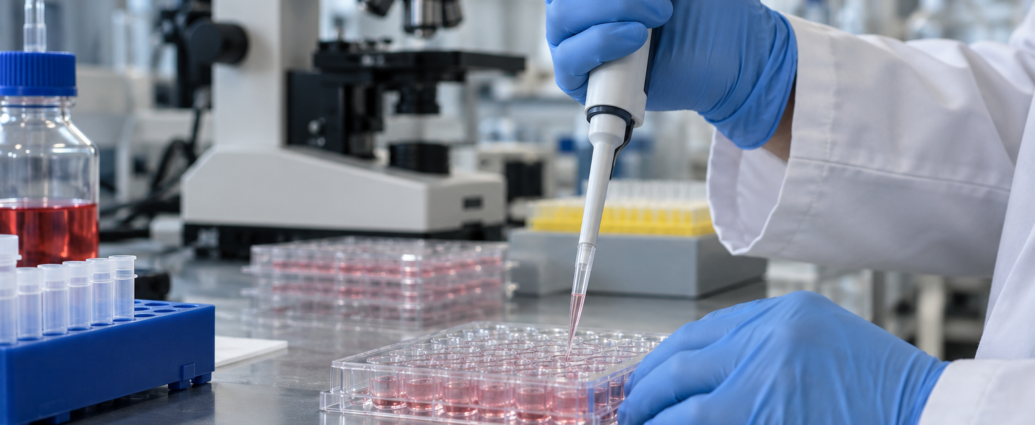
The team studied cultured cells, including human lung and breast cancer cell lines, using chemicals that induce stress in the endoplasmic reticulum. It also examined other cell models. These experiments establish how the mechanism behaves under controlled conditions; they do not demonstrate that a drug targeting it will shrink tumors in patients.
For pharmaceutical researchers, the opportunity is to test whether disrupting this survival pathway could strengthen a treatment’s effect. The National Cancer Institute describes targeting cancer-related proteins as an established treatment strategy, while cautioning that some targets are difficult to turn into medicines and that targeted treatments can also cause serious side effects.
The same biology creates a safety question. The researchers examined the pathway in a cardiac cell model subjected to oxygen deprivation followed by reoxygenation. The university says controlling the mechanism could eventually offer ways to protect heart tissue. That makes the distinction between promoting cancer-cell death and preserving healthy cells particularly relevant to future development.
Igbaria’s interest is personal. He told The Times of Israel that his father’s death from lung cancer prompted him to change from chemistry to biology. His earlier research included work on the endoplasmic reticulum during postdoctoral training at the University of California, San Francisco.
Turning the finding into a medicine would require evidence beyond this study. The FDA’s drug-development framework proceeds from laboratory discovery to preclinical safety work, human trials and regulatory review. The paper reports no patient trial and provides no evidence of lower treatment costs or improved survival.
The next research challenge is whether this pathway can be disrupted effectively in tumors while protecting healthy tissue. Until that is demonstrated, the finding remains a potential therapeutic target rather than a treatment available to patients.
JBizNews Desk | Beersheba, Israel
© JBizNews.com. All rights reserved. This article is original reporting by JBizNews Desk. Unauthorized reproduction or redistribution is strictly prohibited.