Tanker operators turn back near Hormuz as renewed attacks threaten recovering Gulf shipments and raise the cost of getting oil to market.
October 13, 2026
Iran’s escalating attacks on commercial shipping are threatening the Persian Gulf’s oil-export recovery, with tanker operators showing growing reluctance to approach the Strait of Hormuz. Bloomberg reported that more than a dozen supertankers and several smaller Suezmax vessels reversed course near Fujairah, the United Arab Emirates shipping hub outside the strait.
The danger is immediate. European maritime security officials reported that an outbound tanker was struck by an unidentified projectile on October 11, damaging its port side. A separate attack the previous evening caused a fire aboard another outbound tanker. Crews on both vessels were reported safe. Those alerts did not identify the attackers.
The attacks come just as producers were restoring supply. OPEC’s latest figures showed September production by OPEC+ rising approximately 900,000 barrels a day to 39.07 million. Saudi Arabia reported output of 8.372 million barrels a day, an increase of more than 2 million from August, Reuters reported.
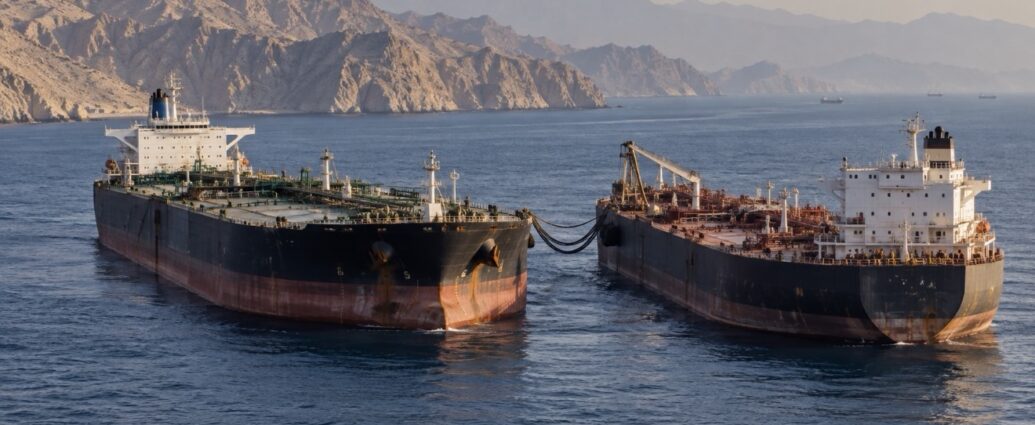
Getting that oil to buyers depends partly on a shuttle system: tankers cross Hormuz, then transfer their cargoes to other ships for onward delivery. Bloomberg reported longer waits for some transfers, although operators offered differing accounts and available loading observations did not establish a broad export slowdown. Brent crude exceeded $106 a barrel Monday before easing Tuesday.
That distinction matters. Oil can continue leaving export terminals while delays build farther along the delivery route. A loaded tanker waiting for another vessel ties up both cargo and shipping capacity. If owners increasingly decline the voyage, higher production alone cannot ensure that refineries receive the barrels on schedule.
The financial burden is already substantial. In an October 12 statement, OPEC and participating non-OPEC ministers said disrupted energy flows had driven shipping and insurance costs above one-third of the commodity’s value. They warned that those costs were adding inflationary pressure and burdening both producing and consuming countries. The statement did not provide a route-by-route breakdown.
For businesses, the exposure extends beyond gasoline. More expensive crude transportation can raise refinery input costs and put pressure on diesel, aviation fuel and freight bills. The eventual effect depends on how long the disruption lasts, available inventories and whether buyers can secure alternative supplies.
The next test is whether vessel turnarounds become sustained reductions in deliveries. Terminal loadings, completed Hormuz crossings and transfer waiting times will show whether the recovery is holding—or whether attacks are again preventing increased production from reaching the market.
Image: AI-generated editorial illustration of tanker transfers near Hormuz.
JBizNews Desk | Dubai
© 2026 JBizNews. All rights reserved.