A federal appeals court ruled last Thursday that the government can keep collecting President Donald Trump’s 10% worldwide tariff while legal challenges to it work through the courts, handing the administration a procedural win in one of the central fights over its trade agenda.
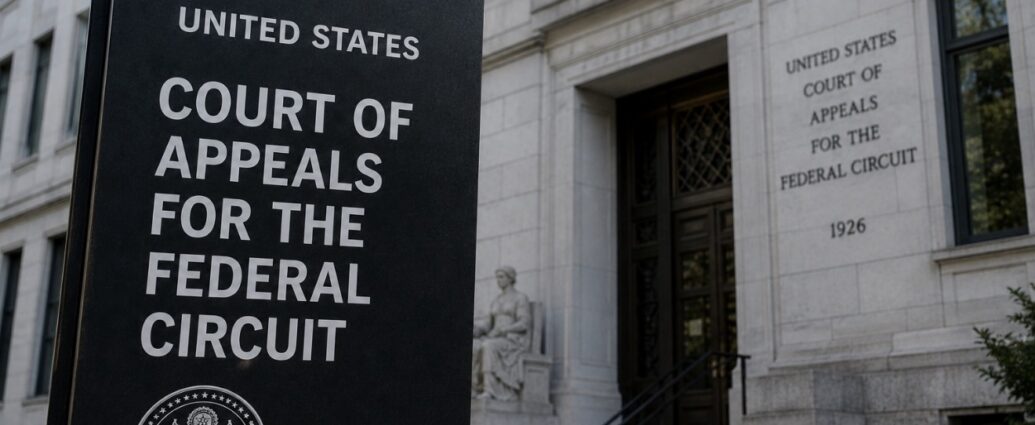
The U.S. Court of Appeals for the Federal Circuit concluded that the government was “likely to succeed on the merits,” and lifted a lower-court order that had blocked the tariff for a handful of plaintiffs.
The decision means importers across the country, including the three that had won relief, will keep paying the surcharge for now.
The tariff at issue is not the broad set of duties the Supreme Court struck down in February.
After that ruling wiped out Trump’s emergency-powers tariffs on nearly every country, the president quickly imposed a new 10% worldwide levy under Section 122 of the Trade Act of 1974, a rarely noticed provision that no president had ever used to justify tariffs.
It took effect February 24 and is set to expire July 24 unless Congress acts to extend it.
Section 122 allows a president to impose worldwide tariffs of up to 15% for 150 days to address what the law calls “fundamental international payments problems.”
The legal dispute turns on what that phrase means.
The administration argues it covers the trade deficit, the gap between what the United States buys from other countries and what it sells them.
In May, a split panel of the U.S. Court of International Trade disagreed, ruling 2-1 that the tariff was “unauthorized by law” and that Trump had overstepped the power Congress gave him.
But that court only blocked collection for the three parties that had sued and were found to have standing: the state of Washington, the spice importer Burlap and Barrel, and the toy maker Basic Fun.
The appeals court took a sharply different view.
In an unsigned order, it rebuked the trade court’s “narrow interpretation” of the law, suggested those judges “may be incorrect,” and found that blocking collection would cause harm to the federal government.
The practical effect is that the three plaintiffs go back to paying the tariff alongside everyone else while the case continues.
A coalition of 24 states that filed its own challenge has been folded into the appeal.
Here is why it reaches into everyday life.
The 10% tariff applies to nearly everything the United States imports, from food and clothing to electronics and industrial parts.
Those taxes are paid first by American importers, and a share of the cost typically flows through to the prices consumers pay.
As long as the tariff stands, that added cost stays in the system, and businesses that had hoped a court might end the levy, or refund what they have paid, are left waiting.
The fight is far from over.
The Federal Circuit has agreed to hear the full appeal on an accelerated schedule, and whatever it decides, the case could ultimately land back at the Supreme Court.
The tariff itself is also living on borrowed time, set to lapse in late July unless lawmakers extend it.
For now, though, the message from the appeals court is clear:
The 10% tariff stays, the meter keeps running, and the legal reckoning will have to wait.
Washington — JBizNews Desk
JBizNews Desk / © JBizNews.com All Rights Reserved. Reproduction or distribution without written permission is prohibited.