By JBizNews Desk | Monday, May 4, 2026
Air travel disruptions are escalating across the United States, as airlines struggle to keep pace with surging demand while operating within tight capacity constraints, triggering widespread delays, cancellations, and sharply higher fares.
Major carriers report mounting operational pressure driven by a combination of air traffic control limitations, staffing shortages, and aircraft availability challenges. The imbalance between supply and demand has left little margin for error, with even minor disruptions cascading quickly across national flight networks.
Scott Kirby, CEO of United Airlines, said the industry is facing “extraordinary demand conditions with limited near-term flexibility to add capacity,” warning that the current strain could persist through the peak summer travel season.
Data from the U.S. Department of Transportation and airport authorities show a noticeable rise in delays and last-minute cancellations in recent weeks, particularly across major hub airports including Atlanta, Chicago, Dallas, and Denver. Travelers are encountering longer wait times, reduced flight options, and increased rebooking difficulties.
Fares are also climbing. Industry pricing data indicates that average domestic ticket prices have risen significantly compared to last year, with the steepest increases seen on high-demand routes and peak travel days. Airlines are increasingly leveraging pricing power to manage demand amid constrained supply.
Nicholas Calio, CEO of Airlines for America, said “the system is operating at very high utilization levels, and while demand is strong, infrastructure and workforce limitations are creating real bottlenecks.”
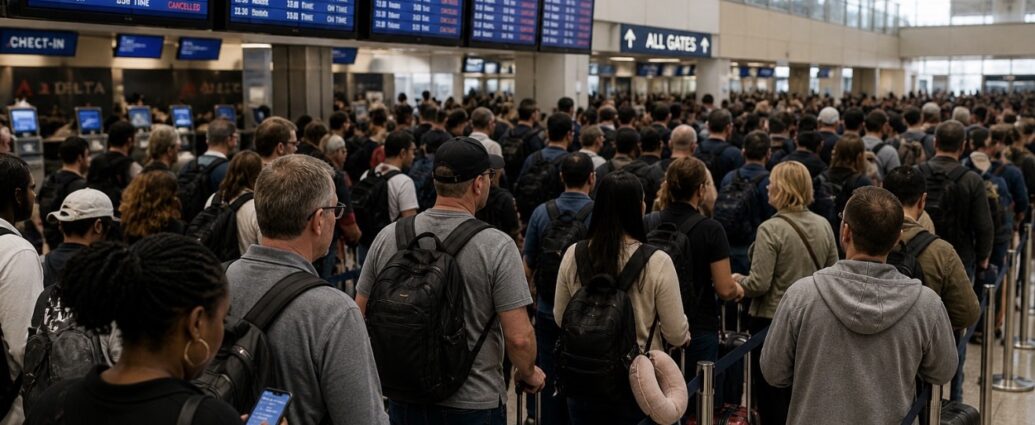
Passengers are feeling the impact directly. Reports of crowded terminals, extended security lines, and limited customer service availability have become more common, adding to frustration among travelers navigating already complex itineraries.
Airports and regulators are working to ease pressure where possible, including adjustments to flight scheduling and coordination with airlines to reduce congestion. However, structural constraints—particularly in staffing and infrastructure—limit how quickly conditions can improve.
Analysts warn that unless airlines can expand capacity or improve operational resilience, disruptions and elevated pricing may become a persistent feature of the travel landscape.
What comes next: With summer travel demand expected to accelerate further, the aviation system is entering a critical period—one where sustained pressure could test both airline operations and passenger tolerance nationwide.
JBizNews Desk