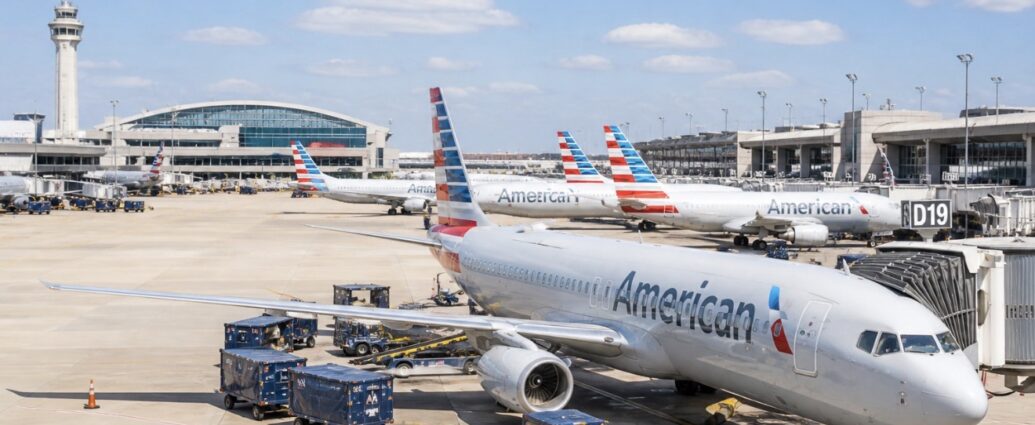
ATLANTA — May 3, 2026 — Major U.S. and European airlines are beginning to scale back fall flight schedules earlier than usual, signaling growing concern that elevated fuel costs and ongoing geopolitical risks could extend well beyond the peak summer travel season.
Carriers including American Airlines, Delta Air Lines, and United Airlines have indicated in recent investor updates and schedule filings that they are taking a more cautious approach to capacity planning for the second half of the year. The adjustments come as jet fuel prices remain volatile amid tensions affecting global oil supply, forcing airlines to prioritize profitability over expansion.
American Airlines CEO Robert Isom has said the company is actively managing capacity to reflect rising costs and demand uncertainty, particularly on longer-haul routes where fuel expenses have the greatest impact. Industry-wide, airlines are increasingly focusing on trimming lower-margin flights and optimizing network efficiency rather than adding new capacity.
The early timing of these schedule changes is notable.
Airlines typically finalize fall schedules later in the summer once peak travel trends are clearer. However, the current environment — marked by persistent fuel volatility and shifting demand patterns — is pushing carriers to act sooner. Analysts say this reflects a deeper level of caution than seen in recent years.
According to aviation data providers and airline disclosures, capacity adjustments are already appearing in transatlantic and long-haul markets, where higher fuel costs and operational complexity make routes more sensitive to price swings. Domestic routes are also being evaluated, particularly those that rely on price-sensitive leisure travelers.
The impact is expected to extend beyond airlines.
Reduced flight availability can tighten overall travel supply, influencing pricing across the broader ecosystem, including hotels, rental cars, and tourism-dependent services. With fewer seats available, airfare typically rises, which can shift demand toward higher-income travelers or alternative destinations.
Helane Becker, airline analyst at TD Cowen, has noted in recent research that airlines are moving from short-term adjustments to longer-term planning strategies. As cost uncertainty persists, carriers are increasingly building flexibility into schedules to respond quickly to market changes.
Demand, however, remains relatively strong — at least for now.
Airlines continue to report solid booking trends, particularly for summer travel, though the mix is evolving. Higher fares and fewer discounted options are beginning to influence consumer behavior, with some travelers opting for shorter trips or delaying bookings in anticipation of price changes.
The broader economic environment is adding another layer of complexity. Elevated energy costs, combined with persistent inflation in services, are putting pressure on household budgets. At the same time, airlines are balancing strong demand against the need to maintain margins in a high-cost environment.
Industry analysts say the key question is duration.
If fuel prices stabilize and geopolitical tensions ease, airlines could restore capacity and expand schedules later in the year. However, if current conditions persist, the industry may shift toward a more structurally constrained supply model, with fewer flights and higher fares extending into late 2026.
The implications for consumers are significant.
Fewer flight options reduce flexibility and increase travel costs, particularly during peak periods. For business travelers, reduced frequency on key routes can affect scheduling and connectivity. For leisure travelers, it raises the cost and complexity of planning trips.
The shift also highlights a broader transformation in airline strategy.
After years of prioritizing growth and market share, carriers are now operating with greater discipline, focusing on returns rather than volume. This approach, while strengthening financial performance, can limit capacity and contribute to higher prices across the travel sector.
Looking ahead, airlines are expected to continue adjusting schedules in response to fuel costs, demand trends, and geopolitical developments. The fall season will serve as an early test of how sustained these pressures may be.
For now, the message from the industry is clear: uncertainty around fuel and global conditions is reshaping airline planning, and the effects are beginning to ripple across the entire travel economy.
JBizNews Desk