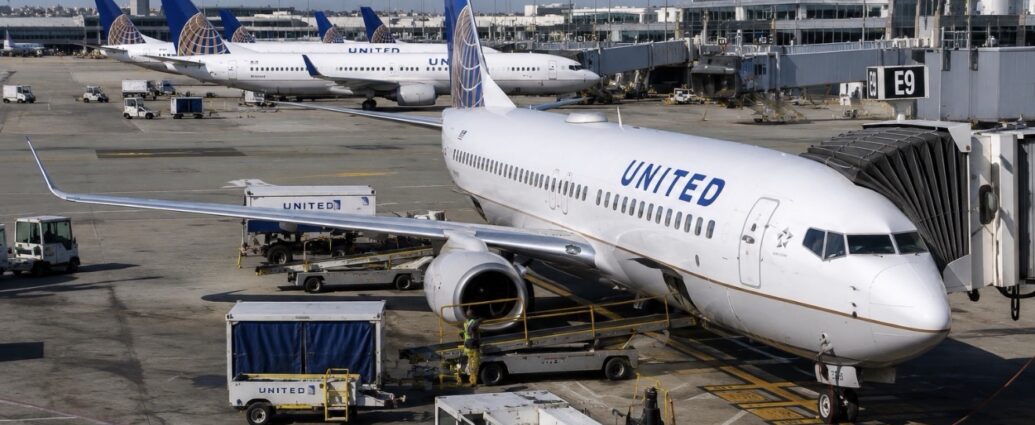
Airlines are entering one of the busiest travel periods of the summer with an unexpected tailwind: falling oil prices. After crude retreated following the pause in U.S. and Iran military strikes, carriers are watching closely to see whether lower fuel costs can improve profits during a season of strong passenger demand.
Jet fuel is one of the airline industry’s largest operating expenses, and even modest declines in crude oil prices can significantly reduce costs if they persist. While fuel prices do not fall immediately, a sustained drop could improve airline margins in the months ahead and reduce pressure to raise fares.
Lower fuel prices won’t change airline economics overnight, but they can quickly improve the industry’s outlook.
Airlines continue to benefit from steady demand for both leisure and business travel, although carriers remain cautious about labor costs, aircraft delivery delays and ongoing supply-chain constraints that have limited fleet expansion.
For travelers, the immediate impact is likely to be stability rather than sharply cheaper tickets. Airlines typically price fares based on demand, competition and capacity, with fuel costs influencing pricing over time rather than from one week to the next.
The combination of strong travel demand and lower energy costs is one of the more favorable scenarios airlines have seen this year.
Investors will be watching upcoming airline earnings for signs that executives expect fuel savings to offset higher wages and maintenance expenses. If oil prices remain contained, the industry could enter the fall with stronger profitability than many analysts had projected.
© JBizNews.com. All Rights Reserved. Reproduction or distribution without written permission is prohibited.