By JBizNews Desk — April 30, 2026
Major Expansion Meets Main Street Pushback
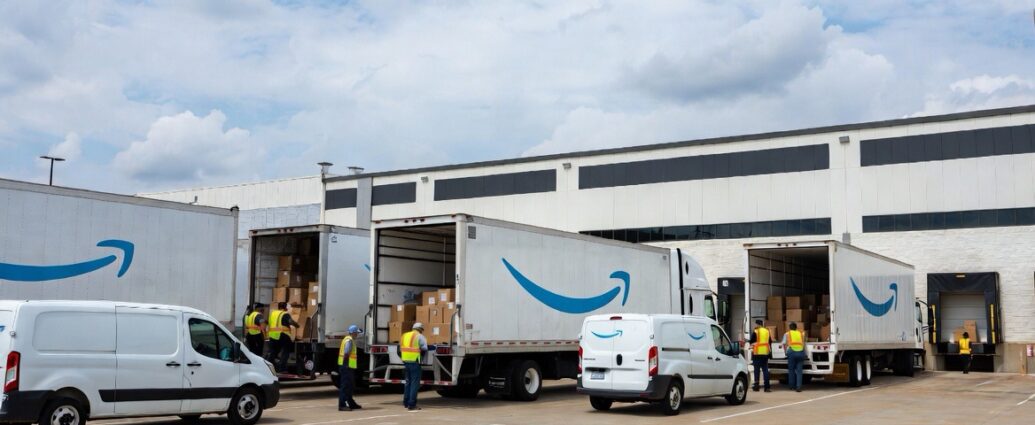
Amazon is opening a massive new delivery hub in the Midwest that promises significantly faster two-day and even same-day shipping for millions of customers across the region. The facility, part of the company’s ongoing push to tighten its logistics network, is expected to handle millions of packages daily and reduce delivery times for everything from everyday household goods to seasonal items.
While the move is being hailed by Amazon as a win for consumers who rely on quick, reliable delivery, small-business suppliers who sell through the platform are already voicing concerns about the added pressure it will place on their operations. This development builds directly on the retail and small-business cost pressures we have tracked throughout the day, including softening consumer spending tied to high gas prices and the broader caution in discretionary categories.
What the New Hub Promises for Customers and Amazon
• Faster fulfillment times across a large swath of the Midwest, potentially cutting average delivery windows by 12–24 hours in key markets.
• Increased capacity for same-day and next-day options, giving Amazon an even stronger edge in the competitive e-commerce race.
• Enhanced ability to handle peak seasonal demand, such as the upcoming back-to-school and holiday periods that retailers have already warned could be challenging due to household budget constraints.
Challenges for Small-Business Suppliers
Small suppliers who rely on Amazon’s marketplace are facing a different reality. The hub’s tighter deadlines and higher volume expectations are forcing many to accelerate production, invest in faster shipping methods, or accept lower margins to stay competitive on the platform.
Diane Swonk, chief economist at KPMG, noted that this is a classic example of scale advantages in action. “Amazon’s ability to build these massive hubs gives it tremendous leverage, but it puts smaller partners in a position where they must either keep up or risk losing visibility and sales on the platform,” she said.
Heather Long, chief economist at Navy Federal Credit Union, added that the ripple effects extend beyond suppliers to everyday consumers and workers. “While shoppers may enjoy faster delivery, the small businesses that create many of the products sold on Amazon are being squeezed on costs and timelines — pressures we have seen across retail and small-business coverage today.”
Oliver Allen, senior U.S. economist at Pantheon Macroeconomics, pointed out the broader supply-chain implications: “Small suppliers often operate with thinner margins and less access to capital. The new hub’s demands could accelerate consolidation, with only the largest or most efficient partners thriving.”
Real Stories from Small Suppliers
Owners of family-run manufacturers and niche product companies in the Midwest and surrounding states report receiving notices about stricter cutoff times and higher performance standards tied to the new facility. One apparel supplier in Ohio told JBizNews the changes could require overtime or new equipment investments that smaller operations simply cannot absorb without raising prices or cutting staff.
Nicole Bachaud, economist at ZipRecruiter, highlighted the potential labor impact: “This kind of operational tightening often leads to more selective hiring and scheduling adjustments at the supplier level, which could slow job growth in the very communities the hub is meant to serve.”
Gina Bolvin, president of Bolvin Wealth Management Group, is advising small-business clients who sell on Amazon to review their contracts and explore diversified sales channels. “The hub is great for speed, but it forces suppliers to operate more like Amazon’s own logistics arm — something not every small business is equipped to do.”
Outlook
Amazon’s new Midwest delivery hub is a clear sign of the company’s continued investment in logistics dominance, which should benefit millions of everyday customers seeking faster and more reliable shipping. At the same time, it intensifies the competitive squeeze on small-business suppliers already navigating higher insurance costs, energy prices, and cautious consumer spending — themes that have defined much of today’s business coverage.
For business enthusiasts and small operators, the lesson is clear: speed and scale are becoming even more critical, but the cost of keeping up continues to rise. The coming months will show whether the hub delivers the promised efficiency gains for the broader ecosystem or simply widens the gap between Amazon’s operation and the small businesses that help stock its virtual shelves. Tomorrow’s developments in supply-chain partnerships and retail earnings will provide further clues.
JBizNews Desk
© JBizNews.com. All rights reserved. This article is original reporting by JBizNews Desk. Unauthorized reproduction or redistribution is strictly prohibited.