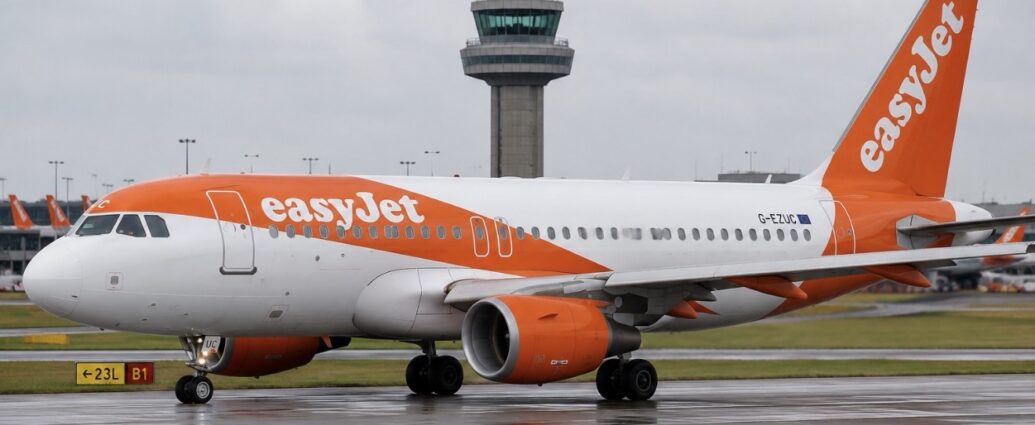
Apollo Global Management has agreed to buy British budget airline easyJet for £5.7 billion, or about $7.7 billion, ending a takeover fight that began when rival U.S. investment firm Castlelake approached the carrier earlier this year.
Apollo will pay 715 pence a share in cash, and easyJet’s board said it will recommend the transaction to shareholders. Castlelake withdrew from the bidding Thursday rather than improve its competing offer.
The final price reflects a sharp escalation from where the contest began. Castlelake initially approached easyJet with several proposals that the airline rejected as too low. It eventually raised its bid to 690 pence a share, prompting the board to indicate it was prepared to recommend the offer. Apollo then entered with 715 pence and displaced Castlelake. easyJet shares have risen sharply since takeover speculation began.
Apollo is paying not just for aircraft, but for an airline network that would be extremely difficult to recreate from scratch.
easyJet controls valuable takeoff and landing slots at heavily constrained European airports, including London Gatwick, where access is limited by available capacity. The airline also has a growing package-holiday operation that Apollo believes can become a larger source of earnings alongside the core low-cost flying business.
Apollo has said it supports easyJet’s existing strategy, including fleet modernization, expanding ancillary and loyalty revenue and growing easyJet Holidays.
The transaction also has to navigate European airline ownership rules.
Airlines operating under European certificates generally must remain majority-owned and controlled by qualifying European nationals. easyJet operates through certificates covering the U.K., Austria and Switzerland, meaning Apollo cannot simply purchase the company in the same way it could acquire an ordinary industrial business.
The acquisition structure limits Apollo’s economic ownership while preserving the qualifying ownership necessary for easyJet to continue operating its existing network. That arrangement could become increasingly relevant to other U.S. investors looking at European aviation assets.
Founder Stelios Haji-Ioannou and his family remain important to the transaction. The family holds roughly 15% of easyJet, while Haji-Ioannou’s privately controlled easyGroup owns the easyJet brand and licenses it to the airline.
For Apollo, the transaction adds another major transportation investment to a portfolio that has included airline and aviation businesses. But easyJet presents a different challenge: the buyer will have to improve profitability while preserving the low fares and high aircraft utilization that underpin the carrier’s business model.
The timing also matters. Airlines have been dealing with volatile fuel prices, geopolitical disruption and higher operating costs, creating an environment in which valuable aviation assets can trade well below the replacement cost of building comparable networks.
For passengers, little changes immediately. easyJet continues operating normally while the transaction works through shareholder and regulatory approvals.
The larger consequence may be for European aviation itself.
If Apollo succeeds in taking one of Europe’s largest low-cost airlines private while complying with regional ownership restrictions, other carriers, airport assets and aviation businesses could attract closer attention from U.S. private-equity firms looking for similarly scarce infrastructure.
— JBizNews Desk | New York
© JBizNews.com. All Rights Reserved. Reproduction or distribution without written permission is prohibited.