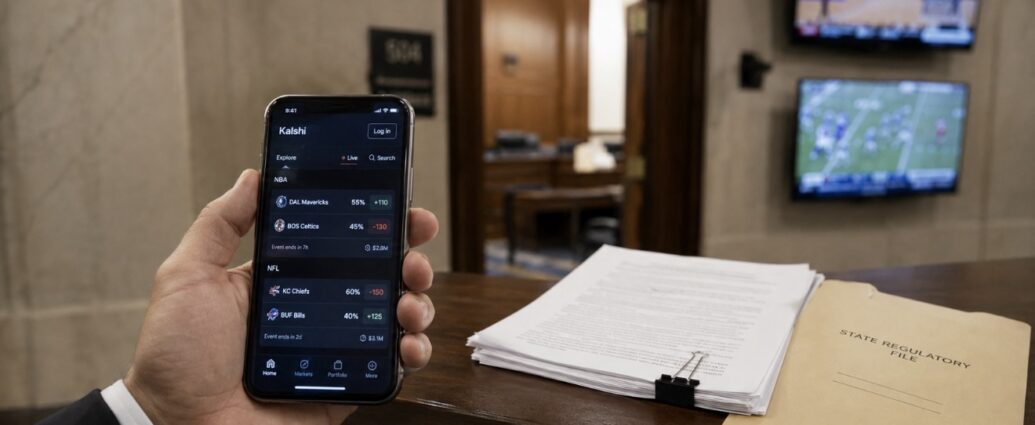
A bet is a bet, no matter what the app calls it.
That was the finding of a three-judge panel of the Ninth Circuit Court of Appeals on Aug. 28, which ruled unanimously that Nevada’s gaming regulators may oversee the prediction market Kalshi. The decision hands states the power to police prediction platforms the same way they police sportsbooks, and it lands hard on a business that has grown by arguing it is something else entirely.
Kalshi sells contracts on the outcome of events, including games. Buy a contract that a team wins, and it pays out if the team wins. The company’s position has been that those contracts are financial instruments called swaps, traded on a market that answers only to the federal Commodity Futures Trading Commission, and therefore beyond the reach of any state gaming board.
Circuit Judge Ryan Nelson, writing for the panel, rejected that. He wrote that what Kalshi offers is sports gambling regardless of the label the company puts on it, and that federal commodities law does not push state gaming rules aside. Judges Kenneth Kiyul Lee and Bridget Bade joined him. All three were appointed by President Trump, who has backed prediction markets and favored exclusive federal oversight of them.
The case grew out of a lawsuit the Nevada Gaming Control Board brought earlier this year accusing Kalshi of running unlicensed gambling in the state with the largest gaming revenue in the country. Board Chair Mike Dreitzer said the ruling confirms the state’s position that this is sports betting and belongs under state regulation.
Kalshi said it will seek further review. A spokeswoman said the company still reads the federal rules as permitting sports contracts and noted that the commission is working to clarify them.
The ruling now collides with an April decision from the Third Circuit, which let Kalshi keep operating in New Jersey while its appeal moves ahead and found the company likely to win its federal preemption argument. Two appeals courts have now reached opposite conclusions, which is the classic setup for the Supreme Court to step in.
Until it does, the map is split. Twenty states are in active litigation over whether they can regulate these platforms, and last month 44 states signed a letter telling the commission it has no authority over sports-related event contracts. Friday’s decision makes it easier for the states pressing that case to move.
For anyone trading on these apps, the practical question is now geography. What is a federally regulated contract in one state may be unlicensed gambling in the next, and the answer will vary by jurisdiction until the Supreme Court settles it.
JBizNews Desk | Wall Street
© JBizNews.com All Rights Reserved. Reproduction or distribution without written permission is prohibited.