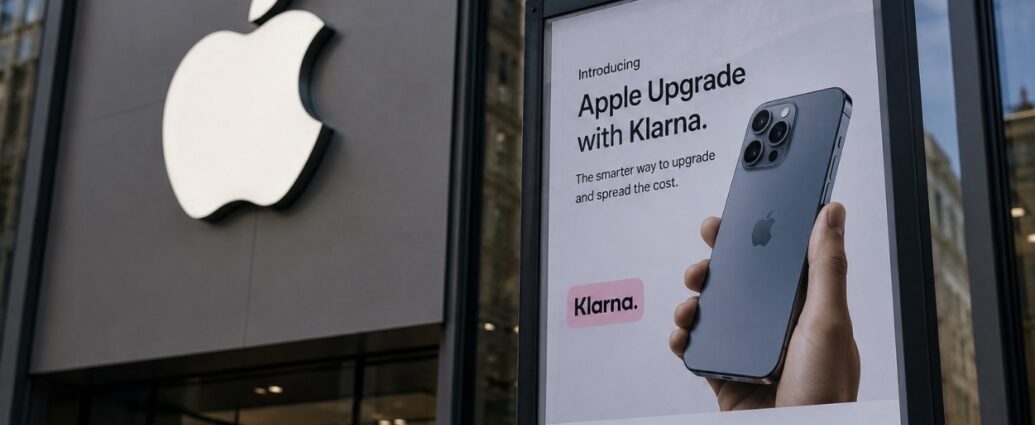
The structural shift matters as much as the consumer-facing pitch. Apple’s current installment programs leave it managing the loan balance and collections; routing that through Klarna moves the day-to-day credit administration to the fintech, freeing Apple to focus on moving units as component costs rise and shoppers grow more price sensitive. The arrangement also comes after Apple abandoned plans for its own in-house hardware subscription program in 2024, letting it offer leasing without carrying the financial risk directly.
Investors rewarded the fintech immediately. Klarna shares jumped as much as 11% to $20.78 before paring gains, while Apple’s stock edged higher. Keefe Bruyette kept its Outperform rating and $26 target, arguing the deal strengthens Klarna’s position with U.S. merchants and deepens its footprint in consumer financing. The report on the partnership was first published by Bloomberg. For Klarna, an Apple storefront is a high-volume prize; for Apple, it is a way to keep the upgrade cycle turning as the economics of building premium hardware get harder.
JBizNews Desk | Cupertino, Calif.
© JBizNews.com All Rights Reserved. Reproduction or distribution without written permission is prohibited.