When a shopper clicks a link from a blogger, a coupon site or a YouTube review and then buys something, a small tracking file called a cookie rides along and tells the retailer who sent that customer. Whoever owns that cookie gets paid a commission. The allegation against Phia, the shopping browser extension, is that its software dropped its own tracking cookie in the background during checkout — overriding the cookie belonging to the publisher or creator who actually drove the sale, and collecting the commission instead. The industry name for it is cookie stuffing.
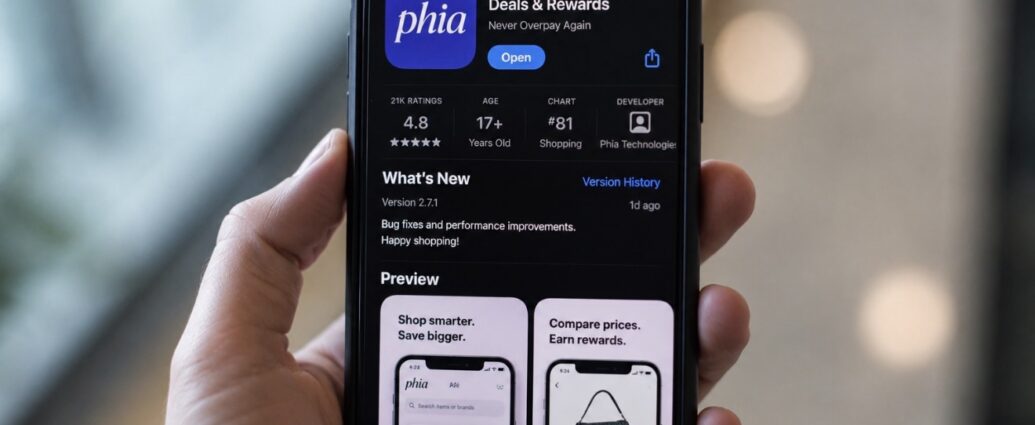
Phia was co-founded by Phoebe Gates, the 23-year-old daughter of Microsoft co-founder Bill Gates, and Sophia Kianni. The free tool compares prices across more than 220,000 sites and automatically applies discount codes, marketing itself on the promise that users will never overpay.
The story turned this week. Leaked internal Slack messages reviewed by reporters indicate Gates and Kianni knew the extension was cookie stuffing as far back as December — months before the company said it had just discovered the problem. According to internal communications and people familiar with the matter, both co-founders pushed for the software features that claimed credit for sales the company did not drive. One internal discussion reportedly concerned making sure cookies were dropped whenever Phia appeared on a retailer’s site, even when the shopper had not clicked a coupon.
That undercuts the company’s original explanation. Phia had initially described the behavior as a bug; subsequent reporting indicated it was a deliberately built feature that could be switched on or off.
The legal exposure is what has drawn the most attention. Cookie stuffing can, in some circumstances, form the basis of a federal wire fraud case, which carries a statutory maximum of 20 years in prison. Corporate attorney Ariel Givner noted that the practice is typically treated as federal wire fraud in U.S. courts. Legal commentators have said a conviction could also bring fines and restitution. Gates has not been charged with any crime, and there has been no finding that she committed fraud. As of mid-August, no lawsuits or regulatory actions had been publicly filed against Phia, Gates or Kianni over the allegations.
The commercial damage has already landed. The practice is estimated to have brought Phia more than $10 million, and the company was suspended from Impact.com, a major affiliate and influencer marketing platform. Affiliate platforms generally require partners to sign contracts explicitly banning cookie stuffing, because it takes referral revenue away from the marketers who earned it.
Phia says it is fixing the problem. A spokesperson said any features causing misattribution were removed on July 7, that the company is reviewing every transaction and has begun issuing reversals to brand partners for any misattributed sale, and that it is hiring a head of compliance to prevent a repeat. The company disputed some of the reporting while saying it would learn from the episode. Independent testing after the initial reports found the extension had stopped automatically claiming referral credit in the cases where the behavior had previously been observed.
None of this is unique to Phia, which is part of why the affiliate industry is watching. Honey, the coupon extension owned by PayPal, has been sued over similar conduct and remains the subject of an ongoing class action. Those creator lawsuits, filed in late 2024, alleged the same basic mechanism — overriding the last click at checkout to redirect commissions. There is older precedent as well: eBay sued a top affiliate operator in 2008 over commissions it said were obtained by deception.
The pressure on Phia extends beyond attribution. The startup has raised more than $40 million, with backers including Khloé Kardashian and Hailey Bieber. Reporting after the initial investigation found the company had lost close to half its full-time staff since the start of the year, that several brands did not know they were listed on the app, and that investors had grown uneasy with how hard it was pushing affiliate marketing.
The fix the industry is converging on is enforcement at the platform level. Affiliate networks hold the ledger: they can suspend accounts, audit transaction records and claw back commissions, which is what the Impact.com suspension and Phia’s reversals amount to in practice. For merchants and creators, the practical defense is auditing their own attribution data rather than trusting the last cookie in the chain. For Phia, the harder problem is that a company built on the promise that shoppers will never overpay now has to prove that publishers weren’t underpaid.
JBizNews Desk | New York
© JBizNews.com All Rights Reserved. Reproduction or distribution without written permission is prohibited.