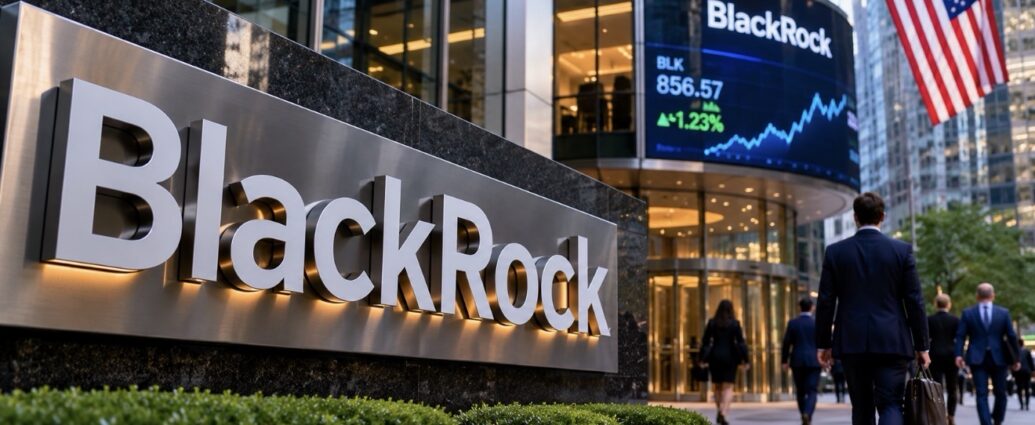
BlackRock moved Friday, June 12, 2026, to limit how much money investors can pull out of its largest private-credit fund, as a wave of jittery shareholders — worried about loan losses, a string of fraud cases, and whether borrowers can survive the upheaval from artificial intelligence — rushed for the exits faster than the fund will let them leave.
In a shareholder letter and regulatory filing, the firm said investors in the HPS Corporate Lending Fund (HLEND) asked to redeem about 13.3% of the fund’s shares in the latest quarter, up from 9.3% the quarter before. BlackRock said it would buy back only 5% — roughly $620 million — and cash out the rest on a prorated basis.
And this is not just a BlackRock problem.
In the past two weeks alone:
- Blackstone capped withdrawals on its flagship private-credit fund.
- Cliffwater turned away most investors seeking to exit its roughly $31 billion fund.
- Partners Group restricted redemptions from an $8.6 billion vehicle.
Across the roughly $2 trillion private-credit market, the same concern is spreading: the long period of easy money and steady growth may be ending, and investors are discovering that getting their money back is not always as simple as it appeared when they invested.
It is the second consecutive quarter that BlackRock’s HLEND fund has hit its redemption limit and restricted withdrawals. The increase in redemption requests — roughly half again as large as the previous quarter — is one of the clearest signs yet that investor anxiety is growing rather than fading.
Why Investors Cannot Get Their Money Immediately
Private-credit funds make loans directly to companies instead of buying bonds that trade on public markets.
Because those loans are difficult to sell quickly, many private-credit funds only allow investors to withdraw a limited amount of money each quarter — typically no more than 5% of fund assets.
When investors ask for more than that, fund managers impose what the industry calls a gate. Investors receive a portion of their money immediately while the remainder stays in the fund until future redemption periods.
That is exactly what BlackRock did this quarter.
A Key Fund in BlackRock’s Private-Market Strategy
The HPS Corporate Lending Fund sits at the center of BlackRock’s push into private markets.
BlackRock acquired the business through its approximately $12 billion purchase of HPS Investment Partners last year, a deal that significantly expanded the firm’s presence in private lending.
Today, the fund manages an investment portfolio approaching $25 billion, making it one of the largest buyers of private corporate loans in the United States.
BlackRock imposed similar limits elsewhere.
The firm also capped withdrawals at its smaller BlackRock Private Credit Fund (BDEBT) after investors requested withdrawals equal to approximately 5.3% of assets. BlackRock approved the maximum 5%, or roughly $83 million.
A third vehicle, the HPS Corporate Capital Solutions Fund, received lighter redemption requests of approximately 4.7%.
Why Investors Are Nervous
Several concerns are hitting the market simultaneously:
- Rising concerns about future loan losses
- High-profile fraud cases within parts of the credit market
- Questions about how artificial intelligence will affect borrowers
- Concerns about weaker software companies facing AI disruption
- Expectations that corporate defaults could increase
- Refinancing risk as older low-interest loans mature into a higher-rate environment
Many investors worry that companies which borrowed heavily during the era of cheap money may struggle as those obligations come due.
What It Means for Everyday Investors
The private-credit industry has attracted large numbers of individual investors over the last several years.
Financial advisers frequently promoted the funds because they offered:
- Steady income
- Higher yields
- Returns that often moved independently from stock markets
The redemption restrictions serve as a reminder that higher yields often come with reduced liquidity.
Unlike stocks or publicly traded bonds, the underlying loans cannot be sold quickly. Investors who want their money back may need to wait through multiple redemption periods before receiving the full amount.
BlackRock Remains Optimistic
Despite the redemption pressure, BlackRock said it expects new investor commitments to offset withdrawals paid so far this year.
The firm also noted that higher interest rates could support future returns.
According to BlackRock, the HPS Corporate Lending Fund has generated annualized returns of approximately 10.2% since launch.
Chief Executive Larry Fink has told investors that large institutional buyers — including pension funds and insurance companies — continue to add capital on a net basis, even as some financial advisers and retail investors pull back.
Market Reaction
Investors appeared largely unfazed by the news.
Shares of BlackRock (NYSE: BLK) rose more than 1% Friday, suggesting Wall Street views the redemption pressure as manageable for now.
The broader question facing the private-credit industry is whether these redemption restrictions are temporary growing pains or the first sign of a more significant stress test for one of the fastest-growing corners of modern finance.
JBizNews Desk — New York
© JBizNews.com All Rights Reserved. Reproduction or distribution without written permission is prohibited.