By JBizNews Desk | May 18, 2026
A federal jury in Chicago awarded $49.5 million Wednesday night to the family of Samya Stumo, a 24-year-old American nonprofit worker killed in the March 2019 crash of Ethiopian Airlines Flight 302, closing one of the last major unresolved wrongful-death cases tied to the Boeing 737 MAX disasters that killed 346 people. The verdict arrived during the same week President Donald Trump announced from Beijing that China would purchase 200 Boeing aircraft equipped with GE Aerospace engines, highlighting the stark contrast between Boeing’s commercial recovery and the legal fallout that continues to shadow the company six years after the crashes.
The jury awarded $21 million for Stumo’s pain and suffering aboard the doomed flight, $16.5 million for the family’s loss of companionship and $12 million for emotional grief damages, according to court filings reviewed by The Associated Press, Reuters and NPR. Boeing had already accepted civil liability before trial, leaving jurors responsible only for determining damages.
The case has long carried symbolic significance for families of crash victims. Stumo was traveling to her first major overseas assignment for the global health nonprofit ThinkWell when Ethiopian Airlines Flight 302 crashed shortly after takeoff from Addis Ababa on March 10, 2019. All 157 people aboard were killed. The crash came just five months after the Lion Air Flight 610 disaster in Indonesia, which killed 189 people and exposed serious flaws in Boeing’s MCAS flight-control software system.
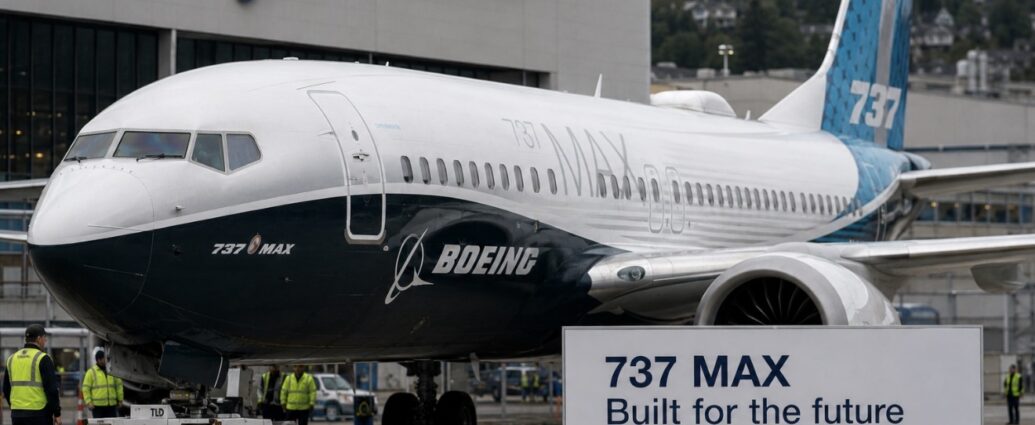
Investigations by the U.S. Department of Transportation, Congress and international aviation authorities ultimately blamed Boeing’s design decisions, pilot-training disclosures and FAA certification oversight failures for both crashes. The disasters triggered a nearly two-year worldwide grounding of the 737 MAX fleet and plunged Boeing into one of the deepest crises in its history.
Stumo’s family became among Boeing’s most vocal critics. Her father, Michael Stumo, repeatedly testified before Congress and publicly accused Boeing and federal regulators of prioritizing profits and production speed over safety. The family resisted settlement efforts for years, pushing instead for a public trial they believed would force greater accountability.
The timing of the verdict is particularly sensitive for Boeing because the company is simultaneously trying to rebuild operational credibility under CEO Kelly Ortberg, who took over leadership in August 2024 following the Alaska Airlines door-plug blowout. Boeing has spent the past year attempting to stabilize production, improve quality-control oversight and restore confidence among regulators, airlines and investors.
The newly announced China aircraft order represents a major commercial win. Under the framework announced during Trump’s Beijing summit with Chinese President Xi Jinping, China agreed to purchase 200 Boeing aircraft immediately with a pathway toward as many as 750 over time. Analysts expect the order to include mostly 737 MAX variants along with some 787 Dreamliner widebody aircraft. The agreement would materially strengthen Boeing’s production pipeline through the end of the decade and significantly boost demand for GE Aerospace engines.
Wall Street remains divided over which story matters more. Susquehanna analyst Charles Minervino argued Friday that the China order “materially de-risks Boeing’s 2026–2028 production ramp” and improves the company’s path back toward sustainable free-cash-flow generation. Others remain more cautious, warning that Boeing still faces ongoing regulatory scrutiny, legal liabilities and operational risks following years of manufacturing disruptions.
The verdict also arrives amid broader concerns over aviation safety. The FAA recently announced a reduction in its long-term air traffic controller staffing targets, while recent near-miss incidents and operational failures across the airline industry have renewed questions about regulatory oversight and aviation infrastructure stress.
For Boeing investors, the Chicago verdict serves as a reminder that while the company may be regaining commercial momentum, the reputational and legal consequences of the 737 MAX era remain unresolved. For the Stumo family and other victims’ relatives, the case represents acknowledgment rather than closure.
As National Transportation Safety Board Chair Jennifer Homendy said Thursday, “No jury award returns the lives that were lost, but accountability is a foundation of safety.”
— JBizNews Desk
© JBizNews.com. All rights reserved. This article is original reporting by JBizNews Desk. Unauthorized reproduction or redistribution is strictly prohibited.