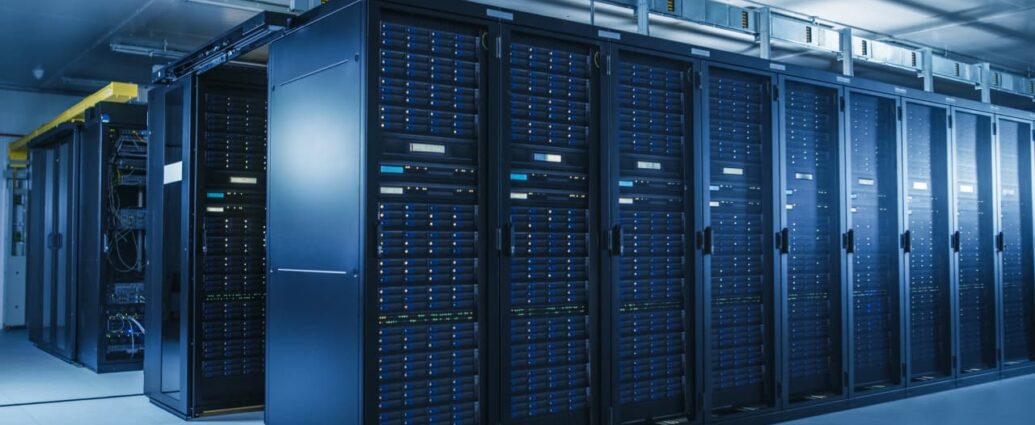

















The world’s largest hedge funds are generating some of their strongest returns since the financial crisis by riding the artificial-intelligence infrastructure boom, as hyperscale technology companies prepare to spend nearly $700 billion on AI hardware, data centers, networking systems, and computing capacity in 2026 alone. According to Bloomberg reporting and industry performance data, technology-focused hedge funds posted outsized gains last year by heavily concentrating positions in Nvidia, Broadcom, Oracle, CoreWeave, Arm Holdings, and other companies tied directly to the global AI buildout.

The underlying investment thesis has become one of the clearest and most profitable trades on Wall Street: when Alphabet, Amazon, Meta Platforms, and Microsoft commit hundreds of billions of dollars toward AI infrastructure, the companies supplying the chips, optics, cooling systems, cloud capacity, and networking hardware stand to experience a historic earnings surge.

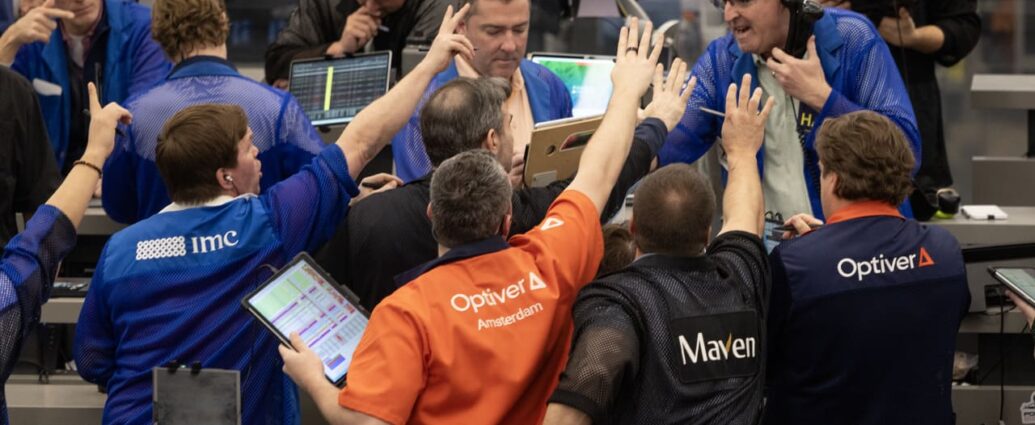
The returns across the hedge fund industry reflect just how aggressively managers positioned for that trend. Apis Capital’s flagship fund gained 55.1% in 2025, while Michel Massoud’s Melqart Opportunities Fund rose 45.1% and Alex Sacerdote’s Whale Rock Long Opportunities Fund climbed 45%, according to Bloomberg and Business Insider performance compilations.

Several major “Tiger Cub” funds also posted powerful gains. Lee Ainslie’s Maverick Capital Long Enhanced fund returned 40%, while Glen Kacher’s Light Street Mercury Master fund rose 37.3%.

Among the multi-strategy giants, Bridgewater Associates, founded by Ray Dalio, posted a record 34% gain for its Pure Alpha II strategy. D.E. Shaw’s Oculus Fund rose 28.2%, while the firm’s Composite strategy gained 18.5%. Steve Cohen’s Point72 finished up 18%, ExodusPoint returned 18%, and Dmitry Balyasny’s firm gained 16.7%.

Even among the traditionally lower-volatility mega-platform firms, the AI cycle fueled unusually strong profits. Ken Griffin’s Citadel returned 10.2% in its flagship Wellington fund, narrowly trailing Izzy Englander’s Millennium, which returned 10.5% — the first year Millennium outperformed Citadel since 2020.

The financial rewards for top managers were staggering. According to Bloomberg’s annual hedge fund rich list, Cohen earned approximately $3.4 billion last year, followed by David Tepper of Appaloosa Management at $3.2 billion, Englander at $3.1 billion, and Chris Hohn of TCI Fund Management at roughly $3 billion.

Industrywide assets surged alongside performance. Hedge Fund Research reported that global hedge fund capital increased by $642.8 billion during 2025 to a record $5.15 trillion, marking the largest single-year inflow into the industry since 2009.

At the center of the trade sits the AI hardware supply chain itself. Philippe Laffont’s Coatue Management, which oversees roughly $70 billion, built its largest public equity position in Nvidia, owning approximately 11.5 million shares by mid-2025. Coatue also accumulated major positions in CoreWeave, Broadcom, Oracle, and Arm Holdings while creating its own “Fantastic 40 Index” tracking companies it believes will dominate AI over the next five years.

Boston-based Whale Rock similarly maintained Nvidia as its largest holding throughout much of 2025, while Bill Ackman’s Pershing Square concentrated nearly 40% of its portfolio into Amazon, Alphabet, and Meta Platforms after buying aggressively during periods of investor skepticism.

The spending projections driving those bets remain enormous. Alphabet has guided toward between $175 billion and $185 billion in 2026 capital expenditures tied largely to AI infrastructure. Amazon is expected to spend approximately $200 billion, Meta between $115 billion and $135 billion, and Microsoft roughly $190 billion.

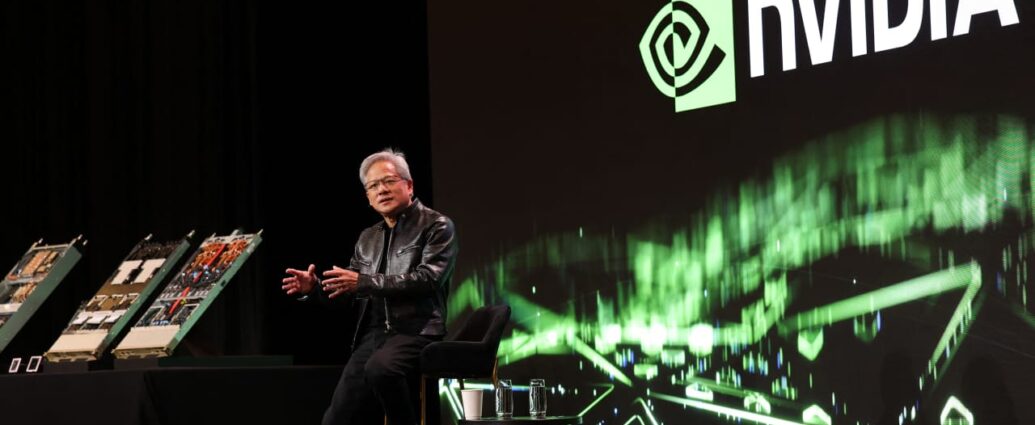
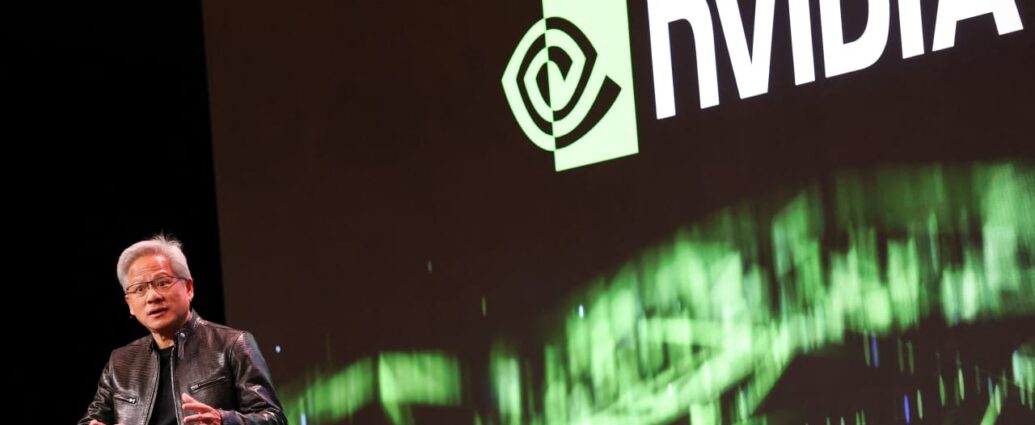
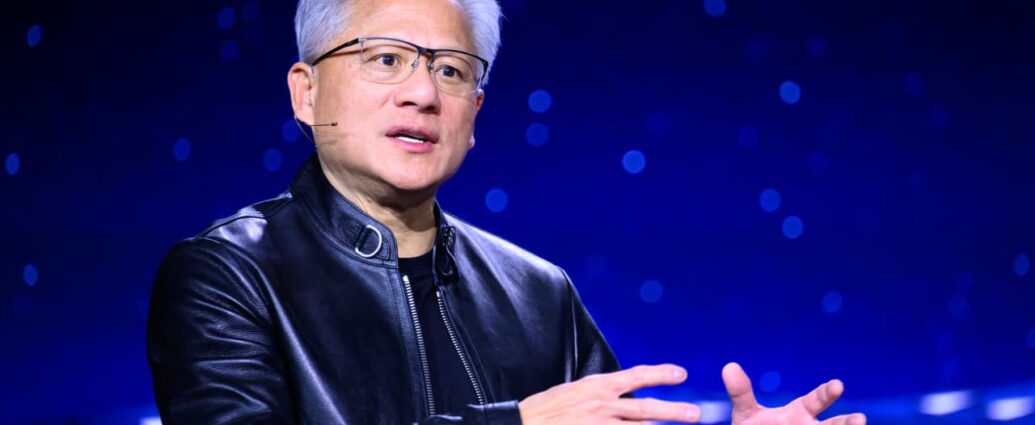
That wave of investment continues flowing through the semiconductor and infrastructure ecosystem. Nvidia CEO Jensen Huang said earlier this year that the company’s next-generation Rubin AI processors are already in production and shipping to customers. Networking, optical, and cooling companies including Broadcom, Coherent, and Vertiv have all benefited from surging order volumes tied to data center expansion.

Private markets are increasingly becoming part of the same trade. AI cloud provider CoreWeave secured a $10 billion Blackstone-led financing package in February to expand infrastructure capacity, with participation from Coatue and other major investors. Jane Street reportedly committed approximately $6 billion toward CoreWeave infrastructure financing while separately investing another $1 billion directly into the company’s equity.

Several hedge funds are now restructuring themselves to capitalize on the growing overlap between private and public AI markets. Coatue recently launched a crossover strategy designed to simultaneously invest in publicly traded AI infrastructure firms and late-stage private companies, reflecting how many of the most valuable AI businesses are remaining private longer than previous generations of technology firms.

Still, risks are beginning to emerge beneath the rally. Hedge fund positioning has become increasingly concentrated in a relatively small group of mega-cap AI names, raising concerns about crowding and volatility if earnings growth slows or hyperscaler spending moderates.

Some investors have already begun positioning against parts of the trade. Quantitative hedge funds reportedly initiated short positions in Oracle over valuation concerns, while a former OpenAI researcher launched a hedge fund earlier this year betting against Nvidia, Taiwan Semiconductor Manufacturing, and Broadcom while taking long positions in Intel based on expectations that hyperscalers may increasingly develop their own custom AI chips internally.

Analysts also warn that investor sentiment around AI infrastructure remains highly momentum-driven. Morningstar analyst Dan Romanoff noted earlier this year that “anything-but-AI” market sentiment briefly triggered sharp first-quarter corrections across several AI-linked names before the sector rebounded.

For now, however, the dominant direction of capital remains clear. With Alphabet, Amazon, Meta, Microsoft, Oracle, Apple, and others signaling they will continue spending aggressively through 2026 to secure AI computing capacity, hedge fund managers see little reason to abandon the trade that has driven some of the industry’s biggest gains in over a decade.

The next major test arrives May 20, when Nvidia reports earnings that many on Wall Street increasingly view as the single most important checkpoint for the entire AI hardware cycle.

JBizNews Desk

© JBizNews.com. All rights reserved. This article is original reporting by JBizNews Desk. Unauthorized reproduction or redistribution is strictly prohibited.

By JBizNews Desk | May 7, 2026

The world’s largest technology companies are on the verge of unleashing an unprecedented wave of capital spending, with combined investments in artificial intelligence infrastructure projected to reach $725 billion in a single year — a scale that is reshaping the global economy and redefining the future of competition across industries.

The spending surge is being led by a handful of dominant players — Microsoft, Alphabet, Amazon, Meta Platforms, Apple, and Nvidia — each racing to build out massive data centers, secure semiconductor supply, and deploy next-generation AI systems that executives say will underpin the next decade of economic growth.

“This is the largest technology investment cycle we’ve ever seen,” said Satya Nadella, CEO of Microsoft, who has repeatedly emphasized that AI is becoming the “defining platform shift of our time.” Microsoft alone is expected to spend tens of billions this year expanding its AI cloud infrastructure, including its partnership with OpenAI and global Azure data center buildouts.

At the center of the spending boom is a simple but costly reality: AI requires enormous computing power. Training and deploying advanced models demands vast networks of specialized chips, primarily graphics processing units (GPUs), which has turned Nvidia, led by CEO Jensen Huang, into one of the most critical — and valuable — companies in the global economy.

“AI factories are the infrastructure of the future,” Huang said at a recent industry conference, describing a world where companies operate massive computing hubs to generate intelligence in the same way traditional factories produce goods.

The ripple effects of this spending are being felt far beyond Silicon Valley. Construction firms are racing to build new data centers, utilities are preparing for surging electricity demand, and governments are increasingly focused on securing domestic supply chains for semiconductors and critical technologies.

Andy Jassy, CEO of Amazon, said the company’s AI investments — particularly within Amazon Web Services — are “meaningfully higher” than previous infrastructure cycles, reflecting what he described as “once-in-a-generation demand” from businesses seeking to integrate AI into their operations.

Alphabet is following a similar path. Sundar Pichai, CEO of Google, has positioned AI as central to the company’s future, from search and advertising to enterprise services, with spending accelerating across its cloud and hardware divisions.

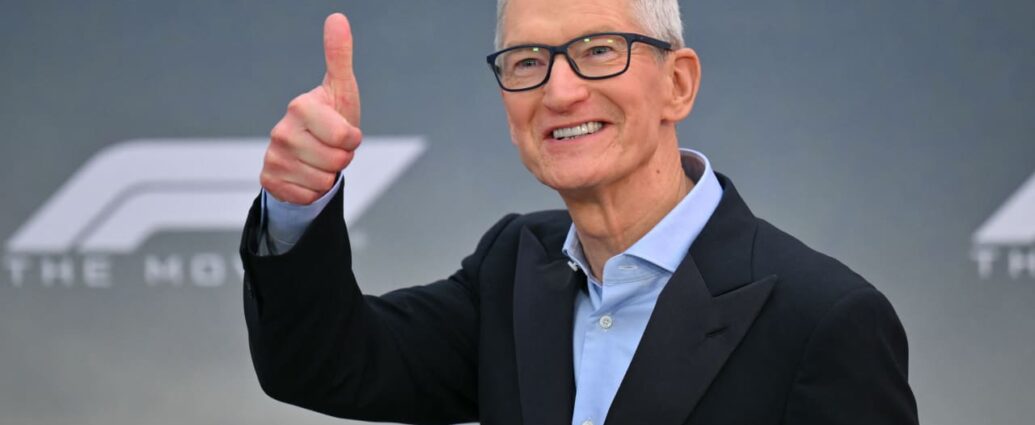
Even companies traditionally known for consumer hardware are shifting aggressively. Tim Cook, CEO of Apple, has signaled increased investment in AI capabilities embedded across its ecosystem, while Mark Zuckerberg, CEO of Meta, has committed billions toward building AI-driven platforms, including virtual environments and advanced recommendation systems.

The scale of the spending is not without risk. Investors are beginning to question whether returns will match the enormous capital outlays, particularly as competition intensifies and pricing pressure could emerge in cloud and AI services.

“There’s no historical comparison for this level of investment,” said Brad Gerstner, CEO of Altimeter Capital, who has warned that while AI represents a transformative opportunity, “not every dollar spent will generate a return.”

Still, early signs suggest that demand is real and accelerating. Businesses across sectors — from healthcare and finance to manufacturing and retail — are rapidly adopting AI tools to improve efficiency, reduce costs, and create new revenue streams.

The broader economic implications are profound. AI investment is driving job creation in some areas, particularly in engineering and infrastructure, while raising concerns about displacement in others. Policymakers are increasingly focused on how to balance innovation with workforce stability.

At the same time, geopolitical competition is intensifying. The United States and China are both investing heavily in AI capabilities, viewing the technology as critical to national security and economic leadership. Export controls, subsidies, and industrial policy are all playing a role in shaping the competitive landscape.

“AI is not just a business race — it’s a strategic race,” said Gina Raimondo, U.S. Secretary of Commerce, who has emphasized the importance of maintaining American leadership in advanced technologies.

For markets, the spending boom presents both opportunity and uncertainty. On one hand, it is fueling growth for companies across the supply chain, from chipmakers to construction firms. On the other, it raises questions about capital efficiency and long-term profitability.

Investors will be watching closely as earnings reports continue, looking for evidence that AI investments are translating into real revenue and margin expansion. Early adopters have reported gains, but the full impact may take years to materialize.

Looking ahead, the trajectory of this $725 billion spending wave will likely define the next phase of the global economy. If successful, it could unlock new levels of productivity and innovation. If not, it risks becoming one of the most expensive bets in corporate history.

For now, one thing is clear: the AI race is no longer theoretical — it is being built in real time, at a scale the world has never seen before.

© JBizNews.com. All rights reserved. This article is original reporting by JBizNews Desk. Unauthorized reproduction or redistribution is strictly prohibited.

JBizNews Desk | New York | Sunday, May 3, 2026

Wall Street enters one of its most consequential weeks of the year with investors navigating a powerful crosscurrent of forces: a critical jobs report on Friday, a wave of major corporate earnings, a Federal Reserve that just held rates steady, and an unresolved Iran conflict that continues to shadow global energy markets and economic forecasts alike.

Where Markets Stand

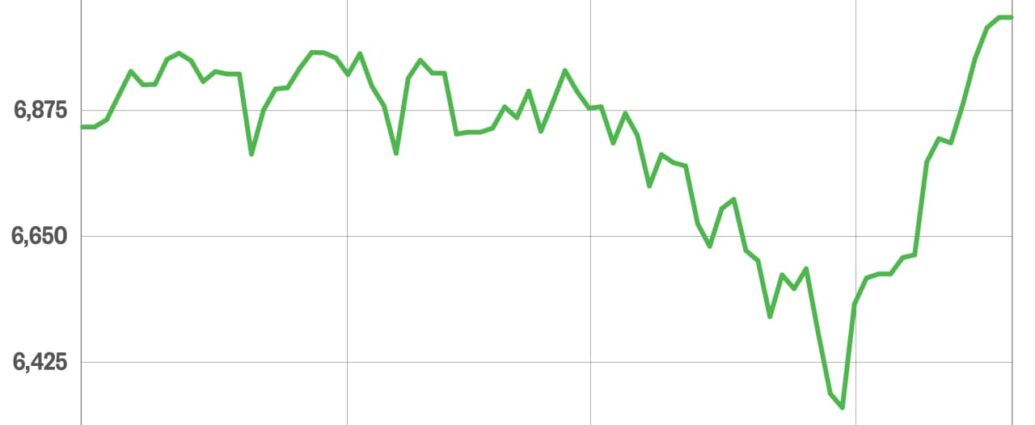
April ended on a high note. The S&P 500 closed Friday, May 1 at 7,230.12, up 0.29 percent on the session. The Nasdaq Composite hit a fresh all-time high, closing at 25,114.44, up 0.89 percent. The Dow Jones Industrial Average slipped 152.87 points, or 0.31 percent, to settle at 49,499.27. For the month, the S&P 500 and Nasdaq posted their best monthly performance since 2020, while the Dow notched its best month since November 2024. The CBOE Volatility Index, known as the VIX, closed below 17 — a nearly two-week low — signaling reduced near-term fear even as macro risks remain elevated.

Ben Snider, chief U.S. equity strategist at Goldman Sachs Research, said in a note published April 24 that the S&P 500 is forecast to climb 6 percent to a year-end target of 7,600, built on expectations of 12 percent earnings-per-share growth in 2026. “In the near term, equity market gyrations will likely continue to mirror geopolitical volatility,” Snider wrote, identifying the Iran war and the AI buildout as “the clearest equity market risks in coming weeks.” Year-to-date share buyback authorizations have hit a record $422 billion, and announced merger-and-acquisition volumes have more than doubled from a year ago, Snider noted.

The Fed Holds — Rates Stay Put

The Federal Reserve held interest rates steady at its meeting this week, with the federal funds rate remaining between 3.5 and 3.75 percent. Three dissents on the policy statement signaled a lack of support for any easing bias, according to Charles Schwab market commentary published May 1. According to the CME FedWatch Tool, the chance of a rate cut at the June meeting stands at just 5 percent. Futures markets suggest rates will stay at current levels through the year, with only a 10 percent probability of a cut and a 6 percent chance of a hike — a notable shift given that odds of a hike were near zero before the meeting.

Core PCE, the Fed’s preferred inflation gauge, jumped to 4.3 percent in the first quarter from 2.7 percent in the prior quarter — above the 4.1 percent expected. New York Fed President John Williams is scheduled to speak Monday and his remarks will be scrutinized for any fresh signals on the rate path. Bob Lang, founder and chief options analyst at Explosive Options, told CNBC on May 1 that a strong jobs number could be welcome news for markets, though he does not expect it would meaningfully shift the interest rate outlook given the Fed’s current posture.

Friday’s Main Event: The Jobs Report

The week’s most consequential data release arrives Friday, May 8, when the U.S. Bureau of Labor Statistics publishes the April nonfarm payrolls report. Economists polled by FactSet expect the U.S. economy to have added just 50,000 jobs in April — far below the prior reading of 178,000 — with the unemployment rate expected to hold steady at 4.3 percent. Federal Reserve Chair Jerome Powell said last week that the labor market had shown “more and more signs of stability.” Supporting data arrives throughout the week: the JOLTS job openings report for March drops Tuesday, May 5; ADP’s private payroll survey for April publishes Wednesday, May 6, with economists polled by FactSet expecting 95,000 private-sector job additions; and initial jobless claims arrive Thursday, May 7.

Palantir: Monday’s Marquee Report

Palantir Technologies reports after the market close Monday, May 4, and expectations are high. Wall Street analysts project earnings per share of $0.28 — a 115 percent jump year over year — alongside revenue of approximately $1.54 billion, up 74 percent annually, according to LSEG data cited by CNBC on May 3. U.S. commercial and government revenue are both forecast to grow more than 60 percent, reflecting surging demand for Palantir’s artificial intelligence platform. William Power, senior analyst at Baird, reaffirmed an Outperform rating and a $200 price target ahead of the print, saying he expects “another strong quarter.” Oppenheimer initiated coverage this week with an Outperform rating and a $200 price target. Citigroup carries a Buy rating with a $210 target. Not everyone is bullish: RBC Capital Markets set a $90 price target, citing elevated valuations — the stock trades at roughly 50 times expected 2026 revenue — and flagged slowing government contract trends and growing competition from Microsoft, Databricks, Snowflake, OpenAI and Anthropic.

AMD: Tuesday’s AI Bellwether

Advanced Micro Devices reports Tuesday, May 6, after the market close, with earnings and revenue both expected to grow by double digits versus a year ago, according to LSEG. All eyes will be on AMD’s artificial intelligence chip roadmap and whether the company can sustain momentum against Nvidia. Ross Seymore, analyst at Deutsche Bank, said ahead of the report that secular and cyclical revenue tailwinds combined with operating margin leverage support upside potential, but maintained a Hold rating, writing that the fundamental upside is “largely reflected in AMD’s share price following the recent significant appreciation.” Bespoke Investment Group data shows AMD tops earnings estimates 62 percent of the time.

Disney: Wednesday’s Consumer Pulse

Walt Disney reports Wednesday, May 6, before the market open, with analysts expecting earnings per share of $1.49 — a 2.8 percent increase — on revenue of $24.85 billion, up 5 percent annually, according to Forex.com analysis published May 4. Entertainment revenue is expected to rise 8.3 percent, Sports revenue around 1.5 percent, and Experience revenue 6.1 percent. The main focus will be Disney+ and Hulu streaming profitability, with management having guided to $500 million in streaming operating income — the metric most likely to move the stock. Parks and Experiences remain the largest contributor to operating income, but analysts warn that U.S. demand and international tourism trends could be softening. The report comes weeks after Disney cut roughly 1,000 jobs across multiple divisions.

Uber: Wednesday’s Ride-Hailing Read

Uber Technologies also reports Wednesday, May 6, before the bell. Analysts expect double-digit revenue growth but double-digit declines in earnings versus a year ago, according to LSEG. Ross Sandler, analyst at Barclays, said ahead of the report that he expects solid demand but flagged higher gas prices and bad weather as near-term cost pressures. “Uber has enough breadth to manage these near-term dynamics, and while robotaxi risk continues to weigh on the story, the risk/reward remains attractive,” Sandler said. Bespoke data shows Uber beats earnings estimates 61 percent of the time.

The Iran Shadow

Overhanging all of it is the ongoing Iran conflict and its grip on global energy markets. President Donald Trump said Saturday he is reviewing Iran’s 14-point peace proposal but “can’t imagine” it is acceptable. A White House Situation Room meeting on Iran is expected Monday with Vice President JD Vance, Chief of Staff Susie Wiles and special envoy Steve Witkoff. Brent crude remains elevated after surging more than 55 percent since the war began February 28. The S&P Global U.S. Manufacturing PMI rose to 54.5 in April from 52.3 in March — its strongest expansion since May 2022 — but the ISM Prices Index jumped 6.3 points to 84.6, its highest since April 2022, a warning that energy-driven inflation is seeping through the supply chain. ISM Services PMI for April publishes Tuesday, May 5, offering the next read on whether the service sector is holding up against rising costs.

With more than half of S&P 500 companies having reported thus far — over 80 percent beating expectations — the earnings season has provided a floor of confidence under the market. But with jobs data, Fed guidance, Iran diplomacy and major tech and consumer earnings all landing in the same five-day window, this week will test whether that confidence holds.

JBizNews Desk
© JBizNews.com. All rights reserved. This article is original reporting by JBizNews Desk. Unauthorized reproduction or redistribution is strictly prohibited.

The U.nited Arab Emirates has formidable reserves and holdings of U.S. Treasurys that make a financial crisis after just seven weeks of war improbable. More likely, the Emiratis are sending diplomatic and economic signals to the U.S. and China

This post was originally published here

We could rescue Social Security and Medicare and balance the federal budget by scrapping the entire federal tax code and replacing it with three simple flat taxes.

This post was originally published here