After months of anticipation, Supreme Court justices heard arguments about a long-standing tactic used by generic companies to carve out a distinct market for a medicine, and did not appear inclined to alter legal standards for the maneuver.

At issue is skinny labeling, which refers to moves by generic companies that seek regulatory approval to market a drug for a specific use, but not other patented uses for which a brand-name medicine is prescribed. For instance, a generic drug could be marketed to treat one type of heart problem but not another. In doing so, the generic company seeks to avoid lawsuits claiming patent infringement.

This tactic has been a key tool for generic companies ever since the Hatch-Waxman Act was signed into law more than four decades ago. The law established the mechanisms by which generic drugs can more readily enter the marketplace. And skinny labeling is one way that Congress attempted to foster more competition and benefit consumers.


Continue to STAT+ to read the full story…

This post was originally published here

You’re reading the web edition of STAT’s AI Prognosis newsletter, our subscriber-exclusive guide to artificial intelligence in health care and medicine. Sign up to get it delivered in your inbox every Wednesday. 

My phone blew up while I was on vacation last week: The Associated Press Stylebook announced “health care” should actually be one word, “healthcare.” STAT is still deciding which we should use. Which do you prefer? You can weigh in here.

(Will my newsletters technically be shorter if we switch to “healthcare”? Food for thought.)

Maybe now we can have a real conversation about AI in health care

In his recent video “The People Do Not Yearn for Automation,” The Verge editor-in-chief Nilay Patel explains “software brain” — thinking about the world as a series of databases that are easily manipulated to solve problems — and why that is creating a disconnect between the AI world and everyone else.

The AI world thinks that AI really can solve the world’s ills and thus anti-AI sentiment is just a marketing problem. But people who are trying to slow AI adoption have legitimate concerns about the tradeoffs and performance of the technology that software-brained people are dismissing, he says.

Continue to STAT+ to read the full story…

This post was originally published here

New contamination testing results from the Food and Drug Administration confirm the safety of infant formula in the U.S., the agency said Wednesday. 

The FDA tested 312 samples from 16 infant formula brands for contaminants like heavy metals, pesticides, and the “forever chemicals” known as per- and polyfluoroalkyl substances, or PFAS. The vast majority had undetectable or very low levels of contaminants, the agency said, with levels of lead, mercury, cadmium, and arsenic coming in below federal requirements for drinking water across all samples. 

Read the rest…

This post was originally published here

Top of the morning to you. The middle of the week is upon us and, since you made it this far, why not forge ahead? After all, there is always light at the end of the proverbial tunnel. You never know what you may accomplish. So please join us as we celebrate this notion with a cup or three of delicious stimulation. Our choice today is chocolate raspberry. Meanwhile, we have assembled the latest menu of tidbits to help you along. So please dig in. Have a smashing day, and please feel free to forward any secrets you come across. Our “in basket” is always open. …

The U.S. Food and Drug Administration announced efforts to make clinical trials more efficient, starting by reviewing data in real time from trials conducted by AstraZeneca and Amgen, STAT writes. The agency also asked the public to weigh in on a potential pilot program to work with companies that use AI to enhance safety monitoring and medication dose selections, identify safety signals, and improve patient recruitment in clinical trials. The trials will rely on a real-time data platform built by Paradigm Health, and the goal is to cut down on the time regulators and companies spend sending data back and forth. FDA Commissioner Marty Makary said at a press conference that agency reviewers will be able to view safety signals and clinical endpoints via Paradigm’s platform.  

Pfizer settled ‌patent disputes with three generic drugmakers over its blockbuster heart drug Vyndamax, effectively extending its patent protection until 2031 and delaying cheaper ​copies from entering the market, Reuters says. The deals resolve ​patent infringement lawsuits against Dexcel Pharma, Hikma Pharmaceuticals, ⁠and Cipla in Delaware federal court over Pfizer’s ​oral drug Vyndamax. A trial over the patent had started ​this week. Pfizer sold nearly $6.4 billion of Vyndamax and related drugs, which treat a serious heart condition called transthyretin amyloid cardiomyopathy, in 2025. The settlements extend ​U.S. patent protection for Vyndamax until June 1, ​2031, subject to other pending litigation. The company had previously expected ‌a ⁠sharp drop in U.S. revenue for the drug in 2029 but now expects sales to hold relatively steady from 2028 through mid-2031.

Continue to STAT+ to read the full story…

This post was originally published here

Want to stay on top of the science and politics driving biotech today? Sign up to get our biotech newsletter in your inbox.

Good morning. Several biotech leaders were named in this list of the most influential Bostonians. Is there anyone you think should have made the list who didn’t? Let me know your thoughts.

The need-to-know this morning

  • The Italian pharma company Chiesi is buying KalVista Therapeutics for $1.9 billion, adding an approved treatment for a genetic swelling disorder to its rare-disease portfolio. The deal values KalVista at $27 per share, or a 40% premium to its Tuesday closing stock price. The KalVista medicine, called Ekterly, is a pill used to treat acute swelling attacks in people with hereditary angioedema.
  • Biogen, AstraZeneca, Regeneron Pharma, Abbvie and GSK reported first-quarter earnings.

FDA plans to review AZ, Amgen trials in real time

In an effort to get drugs on the market faster, the FDA announced yesterday it will start reviewing trial data in real time, starting with oncology studies conducted by AstraZeneca and Amgen.

Continue to STAT+ to read the full story…

This post was originally published here

Get your daily dose of health and medicine every weekday with STAT’s free newsletter Morning Rounds. Sign up here.

Morning. In the same way that Athena orchestrated the logistics around Telemachus’s journey in the first three books of “The Odyssey,” I hope some gods out there are coordinating a “Survivor” season 50 win for Cirie Fields. She’s earning it, but I wouldn’t mind some divine intervention to make sure.

Read the rest…

This post was originally published here

As Google faces pressure to take greater accountability for the mental health impacts of its artificial intelligence products, the company’s clinical director Megan Jones Bell welcomed the challenge of making artificial intelligence helpful to people who come to its Gemini chatbot with a mental health crisis.

“It can seem sometimes like shutting something down is a way of preventing harm,” Jones Bell told STAT. “We believe that making our product experience safer and more helpful and strengthening that bridge to support it is the more effective path to support mental health for the most people.”

Google recently made updates to its Gemini app so that it more prominently features connections to crisis hotlines when it detects a person may be at risk of self harm. In conversations about mental health, the AI will frequently point people to outside resources — but the bot doesn’t disengage, reminding a user, for example, that “I’m here to listen.”

Continue to STAT+ to read the full story…

This post was originally published here

WASHINGTON — Democrats and Republicans are at odds over a consequential health care policy embedded in last year’s tax cut law

Democrats say the law’s Medicaid work requirements will create red tape that leads to people losing their coverage. Republicans say the measure encourages work.

But because the law doesn’t require states to report on the implementation of this massive change to Medicaid, we may never get a detailed account of how the policy is working.

Continue to STAT+ to read the full story…

This post was originally published here

Governments, industry, and philanthropies are investing in neuroscience at an unprecedented scale, and the ambition behind this impetus is a noble one: to reduce the growing burden of brain diseases and extend healthy cognitive life. We fully support this movement’s push for “brain health” to mirror successful frameworks established for cancer and heart health that prioritize early screening and aggressive preventive treatments, making it possible to act before irreversible damage sets in.

Even as this agenda gains momentum, however, a critical blind spot is emerging. As governments refocus their policies to tackle conditions like Alzheimer’s disease and other neurodegenerative disorders, mental illness is often being sidelined as a secondary concern rather than as a primary component of brain health. This artificial divide is a scientific and a strategic error.

Read the rest…

This post was originally published here

Eli Lilly struck a deal Tuesday to develop new forms of gene editors potentially capable of inserting entire genes into patients. 

The collaboration, with artificial intelligence-focused biotech Profluent, is sparse on details, including the number of programs the two companies would work on, the types of diseases they’ll pursue, or how much Lilly was paying upfront. But if every one of its efforts works out, Lilly would pay Profluent $2.25 billion in milestones payments.

The deal is part of a larger push by Lilly into gene editing. The big pharma, flush with record revenues from its obesity and diabetes drugs, has opened a new genetic medicine center in Boston and bought up a series of gene editing or gene therapy companies over the last few years.

Continue to STAT+ to read the full story…

This post was originally published here

Get your daily dose of health and medicine every weekday with STAT’s free newsletter Morning Rounds. Sign up here.

Good morning. The other night I watched a shocking episode of “The Vampire Diaries.” A series of cursed, ghost-like hallucinations attempt to convince a teen vampire to end her own life using some disturbingly coercive, cogent arguments. Ultimately, the character is saved. And while this episode aired more than a decade ago, I was surprised by how many parallels there were to current debates about the risks of AI chatbots and people in mental health crises. 

Read the rest…

This post was originally published here

Rise and shine, everyone, another busy day is on the way. And it is getting off to a good start here on the Pharmalot campus, where clear blue skies and pleasant breezes are greeting us. Who could ask for anything more? Actually, we could — it is time to reheat the kettle for another cuppa stimulation. Our choice today is apple hibiscus. And here is a helpful tip — a teaspoon of honey enhances the flavors splendidly. Of course, you are invited to join us. For the full experience, we are now hawking replicas — take a look. Meanwhile, here are a few tidbits to help you along. As always, do keep in touch. We appreciate feedback, criticism, and tips. …

Novartis chief executive officer Vas Narasimhan warned that the U.S. drug pricing policy under President Trump poses a “very difficult situation” and the reality will soon catch up with both drugmakers and patients, CNBC tells us. He maintained that Novartis is focused on getting European and Japanese governments to quickly change how they reward innovation, and added that if this does not happen, then novel medicines might see delayed entry into these markets and patients won’t have access to the drugs. The most-favored-nation drug pricing policy, or MFN, implemented by Trump last year means that prices in the big and lucrative U.S. market are tied to prices in comparably wealthy countries. Trump has made lower drug prices for Americans a priority and has long criticized what he calls “foreign nations freeloading on American-financed innovation.”

Japan risks missing out on new blockbuster treatments due to a drug pricing scheme being adopted in the U.S., Nikkei Asia writes. The Trump administration has been moving forward with a most-favored-nation pricing plan, which matches the price of a given drug to those set in other major countries. The new pricing will be applied to drugs purchased through the Medicare and Medicaid programs, and Japan is listed as a reference country for price calculations. The pricing scheme under Medicare references prices in 19 countries, including Japan, South Korea, Australia, and various European nations. Manufacturers of the target drugs are required to participate in the Medicare scheme. But drug companies would not need to reference Japan’s drug prices if they do not launch their products there. This raises the possibility of drugmakers refraining from selling products in Japan to avoid lowering prices in the U.S.

Continue to STAT+ to read the full story…

This post was originally published here

You’re reading the web edition of STAT’s Health Tech newsletter, our guide to how technology is transforming the life sciences. Sign up to get it delivered in your inbox every Tuesday and Thursday.

Good morning health tech readers!

Does letting general purpose chatbots talk to people with a mental health crisis do more good than harm? Google answers below.

Continue to STAT+ to read the full story…

This post was originally published here

Want to stay on top of the science and politics driving biotech today? Sign up to get our biotech newsletter in your inbox.

Good morning. I started the morning reading this story of how a botched football kick may have saved someone’s life.

The need-to-know this morning

  • Novartis shares were down in early trading after the company reported a drop in sales and operating profit in the first quarter, with generic competition hitting drugs like Entresto hard. The company affirmed its guidance for the year, with net sales expected to grow in the low single digits, and core operating profit forecasted to decline slightly.
  • The FDA has taken further actions to withdraw the approval of Amgen’s rare-disease drug Tavneos and remove it from the market. Tavneos was approved in 2021, but new information indicates the drug is ineffective and the application used to support approval contained “untrue statements of material fact,” the FDA said. Amgen has refused to withdraw Tavneos voluntarily, insisting the drug is safe.

Lilly bets on next-gen gene editors with new deal

Eli Lilly this morning announced a deal with AI-focused biotech Profluent to develop new forms of gene editors potentially capable of inserting entire genes into patients.

Continue to STAT+ to read the full story…

This post was originally published here

The Supreme Court on Wednesday will hear oral arguments about a simmering controversy over a wonky but important topic called skinny labels, which will be closely watched for its implications for the availability of generic medicines.

Skinny labeling refers to moves by generic companies that seek regulatory approval to market a medicine for a specific use, but not other patented uses for which a brand-name drug is prescribed. For instance, a generic drug could be marketed to treat one type of heart problem but not another. In doing so, the generic company seeks to avoid lawsuits claiming patent infringement.

This tactic has been a key tool for generic companies ever since the Hatch-Waxman Act was signed into law more than four decades ago. The law established the mechanisms by which generic drugs can more readily enter the marketplace. And skinny labeling, which amounts to a carve-out tactic, is one way that Congress attempted to foster more competition and benefit consumers.

Continue to STAT+ to read the full story…

This post was originally published here

WASHINGTON — David Morens, a former top National Institute of Allergy and Infectious Diseases official, was indicted Tuesday on allegations that he concealed records from Freedom of Information Act requests. 

Trump administration officials said in a legal filing that Morens hid and falsified records to undermine debate about the origins of the virus that spurred the Covid-19 pandemic — and received kickbacks for doing so, including wine and offers of future meals at high-end restaurants. Morens was a senior adviser to former NIAID Director Anthony Fauci, who is not named directly in the indictment. 

Read the rest…

This post was originally published here

Why does it take a new drug 10 years, on average, to come to market? Part of the reason lies in the dead time in the process.  

Historically, trials have required tedious tabulations and repeated application submissions between phases, which is why 45% of the time from a Phase 1 trial until final submission is spent without any ongoing clinical trial in progress — idle time in the system.   

Read the rest…

This post was originally published here

The Associated Press Stylebook, the foundational journalism guide for how newsrooms report and write their stories, made waves last week when it decreed that “health care” should now be written as one word, not two. The change, announced at the annual ACES: The Society for Editing’s conference, was prompted by shifting usage and years of appeals to make the switch.

STAT closely follows AP style and has used “health care” since its founding in 2015. Now, we have to decide whether to adopt this new guidance, but our newsroom is divided. 

Read the rest…

This post was originally published here

WASHINGTON — The Food and Drug Administration on Tuesday announced efforts to make clinical trials more efficient, starting by reviewing data in real time from trials conducted by AstraZeneca and Amgen.  

The agency also asked the public to weigh in on a potential pilot program to work with companies that use AI to enhance safety monitoring and medication dose selections, identify safety signals, and improve patient recruitment in clinical trials. 

AstraZeneca is conducting a Phase 2 trial of its combination therapy for patients with an aggressive form of lymphoma. The trial will take place at the University of Texas MD Anderson Cancer Center and the University of Pennsylvania. Amgen is conducting a Phase 1b trial of its treatment for small cell lung carcinoma. The trials will rely on a real-time data platform built by Paradigm Health. 

Continue to STAT+ to read the full story…

This post was originally published here

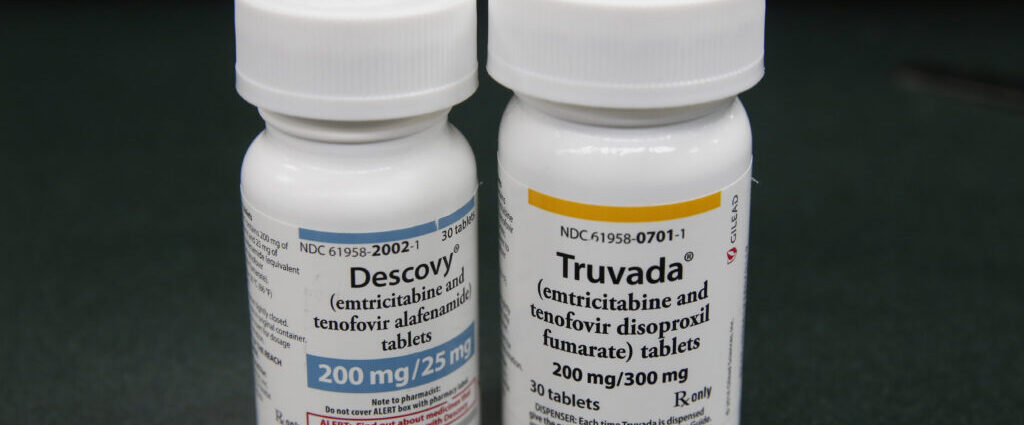
An AIDS activist group filed a lawsuit against the Trump administration for failing to disclose a research and development agreement that was at the heart of a settlement between the U.S. government and Gilead Sciences over patents for HIV prevention.

The settlement resolved a contentious lawsuit that was filed six years ago by the previous Trump administration after the Centers for Disease Control and Prevention maintained that Gilead infringed its patent rights. The agency had helped fund academic research that later formed the basis for two Gilead HIV pills, Truvada and Descovy.

The administration had alleged that Gilead ignored the contributions by CDC scientists, exaggerated its own role in developing HIV prevention drugs, and refused to sign a licensing agreement despite “multiple attempts” at reaching a deal after unfairly reaping hundreds of millions of dollars from research funded by taxpayers.

Continue to STAT+ to read the full story…

This post was originally published here

The four health system CEOs summoned before a Congressional committee Tuesday likely breathed sighs of relief early in the hearing, when it became clear they had friends in the audience. 

Instead, committee members largely blamed the other party’s health care policies for driving U.S. health care prices to levels inaccessible to many Americans.

The hearing was part of the House Ways and Means Committee’s effort to understand the root causes of rising health care costs in the U.S. It comes three months after the committee heard from the CEOs of the country’s largest health insurers, who largely deflected blame onto hospitals and drugmakers. 

In attendance were the CEOs of some of the country’s largest health systems: HCA Healthcare, a for-profit system of 190 hospitals, and CommonSpirit Health, a nonprofit system of 158 hospitals. The CEOs of New York-Presbyterian and North Carolina’s ECU Health were also there.


Continue to STAT+ to read the full story…

This post was originally published here

The federal autism advisory committee met for the first time since Trump took office, months after health secretary Robert F. Kennedy Jr. fired most of the committee’s scientific experts and replaced them with activists and advocates who more closely align with his controversial views on the link between autism, vaccines, and environmental factors.

In its first meeting in 19 months, the Interagency Autism Coordinating Committee, which helps set the federal research agenda and the hundreds of millions that come with it, focused on how to help autistic people with the highest support needs. The group voted on Tuesday to recommend several proposals to help this population, including a directive that would change the existing scientific definition of people with “profound autism.” 

Read the rest…

This post was originally published here

A report released Wednesday highlights successes in reducing health disparities in U.S. states. Since the last iteration of the analysis by the Commonwealth Fund, two states expanded eligibility for Medicaid, many states extended postpartum coverage for mothers, and enrollment in Affordable Care Act marketplace plans increased at an unprecedented clip. 

But given the report covered the years 2022 to 2024, many equity researchers fear the gains may be short-lived. Outside experts who reviewed the report predict that policies from the second Trump administration, including changes to insurance coverage and vaccine policies and cuts to programs promoting diversity, equity, and inclusion, will exacerbate inequities.

Read the rest…

This post was originally published here

I’ve been waiting for health secretary Robert F. Kennedy Jr. to do something big on oversight of what I call pop peptides, like BPC-157 and GHK-Cu. He had long signaled that he was going to free such peptides from what he saw as a past, misguided FDA that had banned them in 2023.

It’s finally happened — and the way it went down shook me up a bit.

For a few years, a loophole in compounding rules had allowed specialty pharmacies to make and market these peptides. It effectively meant that substances nominated for compounding — even unproven drugs — could be made and marketed by qualified pharmacies while the FDA pondered the nominations. But in 2023, the Food and Drug Administration rightly moved peptides to a no-compounding-allowed status called Category 2 due to concerns about safety and lack of clinical trial data. Now Kennedy is working to undo that with major risks to the public.

Continue to STAT+ to read the full story…

This post was originally published here

One of health secretary Robert F. Kennedy’s refrains has focused on medical education: Doctors don’t know enough about nutrition and preventive medicine, he likes to say. He has encouraged medical schools to beef up (tallow up?) their education on healthy eating and its connection to chronic disease.

What do medical students think of this?

Read the rest…

This post was originally published here

If all goes well — which is to say if you are generally healthy — you mostly experience the doctor’s office as an inconvenience, going to primary care appointments that are an hour of waiting for 20 minutes of care.

If you’re ill, you fall into a Kafka-esque labyrinth of specialists, waiting rooms, and prior authorizations. You will be held tightly by the medical system, but you are unlikely to feel good.

Read the rest…

This post was originally published here

WASHINGTON — The Supreme Court seemed divided Monday over whether to block thousands of lawsuits alleging the maker of the weedkiller Roundup failed to warn people it could cause cancer.

The case came before the justices after a tidal wave of litigation that included some multibillion-dollar verdicts against the global agrochemical manufacturer Bayer, which owns Roundup maker Monsanto.

Read the rest…

This post was originally published here

A new U.S. policy that recommends offering hepatitis B vaccine at birth only to babies perceived to be at risk of neonatal infection will lead to increased numbers of infected infants and more cases of chronic hepatitis B infection in children that will generate millions of extra dollars in health care costs, two studies published Monday project.

“Avoiding an increase in neonatal infections under the targeted recommendation would require historically unattained levels of maternal [hepatitis B] screening or birth-dose coverage among infants of unscreened mothers,” said one of the studies, from researchers at Boston University, the University of Florida, and Johns Hopkins University.

Read the rest…

This post was originally published here

The Trump administration is doubling down on its opposition to harm reduction services for people who use illicit drugs. 

In an open letter on April 24, the federal agency overseeing addiction and mental health policy warned its grantees against using federal funds to buy harm reduction supplies including sterile syringes and pipes, or to distribute test strips for common drug supply adulterants like fentanyl, xylazine, and medetomidine. 

Read the rest…

This post was originally published here

WASHINGTON — Last week, Sen. Ben Ray Luján (D-N.M.) asked health secretary Robert F. Kennedy Jr. whether he would release — by Friday — the contract of a longtime vaccine critic who was hired by the Department of Health and Human Services.

“Yeah, I’m happy to,” Kennedy responded.

But Friday came and went without a response from Kennedy. On Monday, Luján’s office said they plan to follow up with HHS.

Continue to STAT+ to read the full story…

This post was originally published here

The drugmaker Erasca said Monday that its RAS-targeting pill shrank tumors in 40% of patients with advanced pancreatic cancer and 62% of patients with advanced non-small cell lung cancer, results that the company said exceeded its expectations. 

The new data, collected from studies done in the U.S. and China, are still preliminary. However, Erasca said the clinical benefit and tolerability of its drug, called ERAS-0015, compared favorably to daraxonrasib, a similar RAS-targeting drug from Revolution Medicines that recently showed a doubling of overall survival in patients with advanced pancreatic cancer. 

“I’m excited about both datasets, but I think lung is more definitive at this point. The pancreatic results are maturing, but are very, very promising,” Erasca CEO Jonathan Lim told STAT. “All options are on the table.” 

Continue to STAT+ to read the full story…

This post was originally published here

This is the online version of STAT’s weekly email newsletter Health Care Inc. Sign up here.

Well, it appears the Associated Press chose violence with this grammar decision. Over my deadbody, AP. This debate has played out so many times, so do I dare ask you, loyal reader: Is it health care or healthcare? bob.herman@statnews.com.

‘The denial is the outcome’

Archelle Georgiou understands Americans’ frustrations with prior authorization. She helped squash the practice before, at what is now the country’s largest health insurance company.

Continue to STAT+ to read the full story…

This post was originally published here

Good morning, everyone, and welcome to another working week. We hope the weekend respite was relaxing and invigorating because that oh-too-familiar routine of meetings, deadlines, and the like has returned with a vengeance. You knew this would happen, yes? To cope, we are relying, as always, on a cuppa stimulation. Our choice today is ginger honey. Feel free to join us. Remember, no prescription is required. Meanwhile, here are some tidbits to help you along. Best of luck accomplishing your goals today and, of course, do keep in touch. …

Intellia Therapeutics disclosed that a single dose of its gene editing treatment dramatically reduced swelling attacks in patients with a rare genetic disorder in a Phase 3 trial, setting up a potential approval, STAT tells us. The therapy, known as lonvo-z, would be the second approved CRISPR-based medicine, after Vertex Pharmaceutical’s sickle cell treatment Casgevy. Intellia has already initiated a rolling submission with the agency. This would be the first in vivo treatment, meaning it edits patient DNA directly in the body. The question for Intellia and for the field will be how attractive the one-and-done approach will be to patients and doctors. Hereditary angioedema, or HAE, which affects around 20,000 patients in the U.S. and Europe, has seen an influx of new treatments over the last few years. 

Sun Pharmaceutical agreed to acquire Organon in a deal valued at $11.75 billion, putting the Indian drugmaker on track to become one of the top three global players in women’s health, The Wall Street Journal notes. Sun, which specializes in generics and is one of the biggest pharma names in India by market cap, will fund the deal through a combination of internal cash resources and financing from banks. Organon, which was formed through a spinoff from Merck, has a portfolio of more than 70 products across women’s health and general medicines, including biosimilars, commercialized across 140 countries. Its 2025 revenue was $6.2 billion. The acquisition will help lift Sun into the top 25 global pharmaceutical companies, with a revenue of $12.4 billion.

Continue to STAT+ to read the full story…

This post was originally published here

Want to stay on top of the science and politics driving biotech today? Sign up to get our biotech newsletter in your inbox.

New hair loss data for a sort of amped-up minoxidil is looking very plush. Also Astellas is reentering the clinic with a next-generation gene therapy for XLMTM and Intellia’s CRISPR therapy for hereditary angioedema impresses.

The need-to-know this morning

  • Eli Lilly said it is buying Ajax Therapeutics, a privately held developer of blood cancer drugs, for as much as $2.3 billion. Ajax’s lead medicine is a next-generation JAK2 inhibitor currently being evaluated in a Phase 1 study in patients with myelofibrosis.
  • Ligand Pharmaceuticals said it is buying Xoma, an aggregator of drug royalties, for $739 million.  
  • Compass Therapeutics said its drug for advanced biliary cancer delayed tumor progression but failed to prolong survival compared to chemotherapy in a clinical trial. 
  • BridgeBio shares were higher this morning on reports from the weekend that Pfizer had settled two of three patent cases regarding Vyndamax, its medicine for the heart condition known as ATTR-CM. While terms of the settlement have not been disclosed, any extension of patent protection for Vyndamax is also positive for BridgeBio, which sells a competing ATTR-CM drug called Attruby.

CRISPR therapy slashes rare swelling attacks

Intellia Therapeutics said this morning that its one-time CRISPR treatment lonvo-z cut attack rates by 87% in a Phase 3 trial of hereditary angioedema, STAT’s Jason Mast writes. With more than 60% of patients becoming attack-free and no serious safety signals reported, the therapy is being positioned as a functional cure — or at least a major upgrade over existing options.

Continue to STAT+ to read the full story…

This post was originally published here

Get your daily dose of health and medicine every weekday with STAT’s free newsletter Morning Rounds. Sign up here.

Good morning. The AP Stylebook broke major news in journalism circles on Friday. Health care, they now say, is one word: healthcare. “Crying, screaming, throwing up,” one STAT staffer said on Slack. “ihateit,” another wrote. We’re clearly still digesting all our feelings, and we’ll let you know soon where we land.

Read the rest…

This post was originally published here

A long-acting injectable treatment for plaque psoriasis helped 63% of patients achieve complete skin clearance in a mid-stage clinical trial, its maker, Oruka Therapeutics, reported Monday. 

Separately, Oruka said an updated analysis of blood exposure levels supported the potential for the drug, ORKA-001, to be injected just once per year. 

Oruka still needs to conduct late-stage clinical trials, but Monday’s results bolster ORKA-001’s potential to become a new treatment for the autoimmune skin disease with remission rates equal to or greater than current commercial blockbusters Skyrizi and Bimzelx, while requiring fewer injections.

Continue to STAT+ to read the full story…

This post was originally published here

An oral medicine for hair loss successfully spurred hair growth in a late-stage trial, startup Veradermics announced Monday.

Veradermics assessed the pill in two ways: by how many hairs grew within a square centimeter of the scalp, on average, and by how satisfied participants were with the results. Over the course of six months, men who took the drug, known as VDPHL01, either once or twice daily had between 30 and 33 more hairs per square centimeter of scalp. Men in the placebo group grew approximately seven additional hairs.

Between 79% and 86% of men taking VDPHL01 said they saw improvement, along with between 72% and 84% of the clinical trial investigators — results that pleased Reid Waldman, a dermatologist turned Veradermics’ chief executive.

Continue to STAT+ to read the full story…

This post was originally published here

Intellia Therapeutics said Monday that a single dose of its gene editing treatment dramatically reduced swelling attacks in patients with a rare genetic disorder in a Phase 3 trial, setting up a potential approval.

The therapy, known as lonvo-z, would be the second approved CRISPR-based medicine, after Vertex Pharmaceutical’s sickle cell treatment Casgevy. Intellia has already initiated a rolling submission with the agency. It would be the first in vivo treatment, meaning it edits patients’ DNA directly in the body. 

In the 80-patient study, volunteers with hereditary angioedema (HAE) who received lonvo-z saw their attack rates drop 87%, relative to placebo. Just over 60% were entirely attack-free over the period, compared to 11% for the placebo patients.

Continue to STAT+ to read the full story…

This post was originally published here

Fewer than half of papers published by NIH-funded researchers analyze or report their data by sex, which could make it harder to know what the results mean for men and women, a new study found.

Over a decade ago, the National Institutes of Health set out to promote sex-inclusivity in study design by introducing the expectation that research it funded consider sex as a biological variable (SABV). The guidelines are broad, asking researchers to consider SABV in their design, analysis, and reporting, without mandating that sex differences be examined in the results. 

Read the rest…

This post was originally published here

Wake up. Brush your teeth. Wash your face. 

And put on your lifesaving baseball hat.

That’s right. If you have treatment-resistant depression, this could be the regular morning routine in your future. The hat would activate a blueberry-sized device implanted in your skull that sends a pulse of electricity into your brain.

This is Jacob Robinson’s vision — and it got closer to reality on Friday after the Food and Drug Administration approved a request from Robinson’s startup, Motif Neurotech, to start an initial feasibility trial to test the efficacy of their device in treating depression that hasn’t responded to other treatments. Scientists have been zapping brains to alleviate depression for decades through a method called transcranial magnetic stimulation, or TMS. Motif wants to do the same thing, but with a twist.

Continue to STAT+ to read the full story…

This post was originally published here

In April 2020, people around the globe were struggling to come to grips with the strictures of unprecedented societal shutdowns aimed at slowing the spread of Covid-19. Flattening the curve, in 2020-speak.

Six years later, school and business closures, mask wearing, and social distancing are dim, unpleasant memories. And Covid, though it still animates political animus plenty, feels like a threat from yesteryear. 

Read the rest…

This post was originally published here

As I read over an employment contract for a job as a psychiatric nurse practitioner, one clause stopped me cold. If I left the practice, I’d owe $7,500 for every patient who chose to continue treatment with me.

When I questioned the clause, the response came quickly, with irritation: “The practice owns the patients. You do not.”

Read the rest…

This post was originally published here

Last December, news broke that the Centers for Disease Control and Prevention had awarded $1.6 million to a Danish vaccine research group to study the effects of the hepatitis B vaccine on infants in the West African nation of Guinea-Bissau. The proposed five-year study compared outcomes between infants vaccinated at birth and those vaccinated at six weeks of age. As a medical student and researcher, I was shocked by the brazen inequity of the trial. 

Randomized controlled trials have already demonstrated superior outcomes when the hepatitis B vaccine is administered at birth. More troubling, however, was the setting of the study. Guinea-Bissau is a highly endemic country for hepatitis B, where vaccination coverage lags behind global averages and roughly 60 percent of the population lives in poverty.

Read the rest…

This post was originally published here

Kristine Blanche, an integrative medicine doctor and wife of acting Attorney General Todd Blanche, has been named as a member to one of the advisory councils that provides critical funding recommendations to the National Institutes of Health. Her appointment, to serve on the advisory council to the National Center for Complementary and Integrative Health, is the first of such appointments to be made in over a year.

It’s unclear if Blanche’s selection — which has not been publicized by the NIH — is a sign of a thawing in the pipeline of advisory council appointments. But it’s done little to quiet simmering concerns among the wider research community about whether the Trump administration would attempt to stack councils with ideological allies who will use their positions to advance its political goals.  

It’s “the worst kind of political patronage,” Joshua Gordon, a former director of the National Institute of Mental Health, told STAT. He and others worry the move will erode taxpayers’ trust in how the largest funder of biomedical research in the world spends its $48 billion budget. “It’s clearly meant to contribute to an intentional degradation of confidence in the NIH.”

Continue to STAT+ to read the full story…

This post was originally published here

Nancy Cox, who for decades was a global leader in influenza research, has died. Cox headed the influenza team at the Centers for Disease Control and Prevention for 22 years, shepherding it from a branch of 14 people to a division of over 100. She was also director of the World Health Organization’s Collaborating Center for the Surveillance, Epidemiology, and Control of Influenza at the CDC.

Cox died Thursday from glioblastoma, a cancer of the brain. She was 77.

Read the rest…

This post was originally published here

Below is a lightly edited, AI-generated transcript of the “First Opinion Podcast” interview with Thomas Goetz. Be sure to sign up for the weekly “First Opinion Podcast” on Apple PodcastsSpotify, or wherever you get your podcasts. Get alerts about each new episode by signing up for the “First Opinion Podcast” newsletter. And don’t forget to sign up for the First Opinion newsletter, delivered every Sunday.

Torie Bosch: Whether it’s Ambien or Wegovy, ivermectin or fluoride, every drug in your medicine cabinet or advertised on TV has a story behind it. Not just how it came to be, but how it ends up affecting society in unexpected ways, big or small.

Read the rest…

This post was originally published here

The Food and Drug Administration will accelerate its review of psychedelic drugs developed by Compass Pathways, the Usona Institute, and Transcend Therapeutics for mental health disorders, as part of the Trump administration’s plan to boost access to the controversial yet promising medications.

The agency will grant priority review vouchers specifically to Compass’ psilocybin product for treatment-resistant depression, Usona’s similar medicine for major depressive disorder, and an MDMA-like treatment for post-traumatic stress disorder from Transcend. 

The FDA identified the medications receiving the vouchers, but not the companies developing them. Compass, Usona, and Transcend confirmed they received vouchers.

Continue to STAT+ to read the full story…

This post was originally published here

Utah’s high-profile experiment with using an artificial intelligence system to renew prescriptions without physician oversight is facing its first major challenge as doctors in the state push back.

In a letter published Friday, Utah Medical Licensing Board said it only learned about the pilot program with AI doctor startup Doctronic after it had been launched, and asked the state to halt the program.

“Proceeding with this agreement without consulting the Medical Board potentially places Utah citizens at risk and remains a major concern of the board,” they wrote. “It is the strong recommendation of the Utah Medical Licensing Board that this program be immediately suspended pending further discussion.”

Continue to STAT+ to read the full story…

This post was originally published here

Kelonia Therapeutics became the newest biotech takeout target this week. The privately held company, which is developing cell therapies for cancer and autoimmune diseases, will be acquired by Eli Lilly. 

The acquisition is a boon for the small startup, which has subsisted on $60 million over the last five years and previously struggled to stay afloat. (Check out an earlier slide deck and memo on the company here.) Kelonia came within a week of running out of cash three times. Now it’s being bought for $3.2 billion with potential milestone payments that could double that payout.

On this week’s edition of its biotech podcast, “The Readout Loud,” STAT spoke with Bryan Roberts, a partner at VC firm Venrock, which incubated the biotech, to discuss how this small company managed to land a big deal. 

Continue to STAT+ to read the full story…

This post was originally published here

Regeneron is in the headlines again: It cut a pricing deal with the Trump administration and won approval for a hearing loss gene therapy. Also, Medicare and the FDA are getting creative with their efforts to speed medical device coverage.

And since it’s totally worth it, sign up for STAT+ between now and Saturday and you’ll get 60% off your first year.

MS drug rejected by FDA gets warmer reception in Europe

From STAT’s Andrew Joseph: A multiple sclerosis drug from Sanofi that was rejected late last year by the FDA found a warmer audience in European regulators, who recommended today that the medicine should be approved.

Continue to STAT+ to read the full story…

This post was originally published here

And so, another working week will soon draw to a close. Not a moment too soon, yes? This is, you may recall, our treasured signal to daydream about weekend plans. Our agenda is still shaping up but we expect to drop in at a couple of folkie happenings, promenade with the official mascots, and tidy up around the castle. We also hope to have yet another listening party, where the rotation will likely include this, this, this, this and this. And what about you? This is a fine time to enjoy the great outdoors. Hiking trials, shorelines, and cityscapes await you. This may also be an opportunity to start your spring cleaning, read a good book, or search out someone special. Well, whatever you do, have a grand time. But be safe. Enjoy, and see you soon. …

President Trump heralded a drug-pricing agreement with Regeneron Pharmaceuticals, closing the last of 17 deals initially sought by the White House last year, STAT notes. Regeneron, as part of the private deal, will reduce prices on drugs to Medicaid, provide the Praluent cholesterol medicine on TrumpRx for $225, and invest $27 billion in drug development in the United States. At the same time, Regeneron also announced the U.S. Food and Drug Administration approval of Otarmeni, the first gene therapy to be greenlit under the agency’s new National Priority Voucher program. Last year, Trump sent letters to 17 of the largest pharmaceutical companies, demanding lower prices and kicking off months of intense negotiations. But the deals the administration struck with each firm remain private, and in some cases they may not be finalized. 


The Trump administration issued an order reclassifying state-licensed medical marijuana as a less-dangerous drug, a major policy shift long sought by advocates who said cannabis should never have been treated like heroin by the federal government, the Associated Press explains. The order signed by acting Attorney General Todd Blanche does not legalize marijuana for medical or recreational use under federal law. But it does change the way it is regulated, shifting licensed medical marijuana from Schedule I, which is reserved for drugs without medical use and with high potential for abuse, to the less strictly regulated Schedule III. The move — which STAT described as “a new era in GOP drug policy” — also gives licensed medical marijuana operators a major tax break and eases some barriers to researching cannabis.

Continue to STAT+ to read the full story…

This post was originally published here

Should academic journals begin to second guess guest editors? 

That question gained new urgency last week when the British Medical Journal’s publishing group retracted nearly its entire guest-edited special edition of the Journal of Medical Genetics, dedicated to cancer immunotherapies. In the retraction note, the journal writes that it was, in part, because of “compromised peer review in almost all articles.” The notice garnered attention for its scope, but also because it exemplified larger concerns that research integrity advocates have with guest-edited editions, which are also called special issues in some journals. 

Read the rest…

This post was originally published here

The past four months have been a whirlwind for Pittsburgh’s journalism landscape. On Jan. 7, the Pittsburgh Post-Gazette, Western Pennsylvania’s largest news organization, announced it would cease publication on May 3 after nearly 240 years. Then, on April 14, just over two weeks before that closure date, the Baltimore-based Venetoulis Institute for Local Journalism said it would acquire the paper’s assets and continue publication.

Like many Pittsburghers, I experienced the emotional rollercoaster of anger, disappointment, hope, and relief tied to these announcements. I grew up in the Pittsburgh area, where I vividly remember running barefoot down my driveway as a child to grab the Post-Gazette. Years later, I interned there as a health and science reporter and have since contributed as a freelancer.

Read the rest…

This post was originally published here

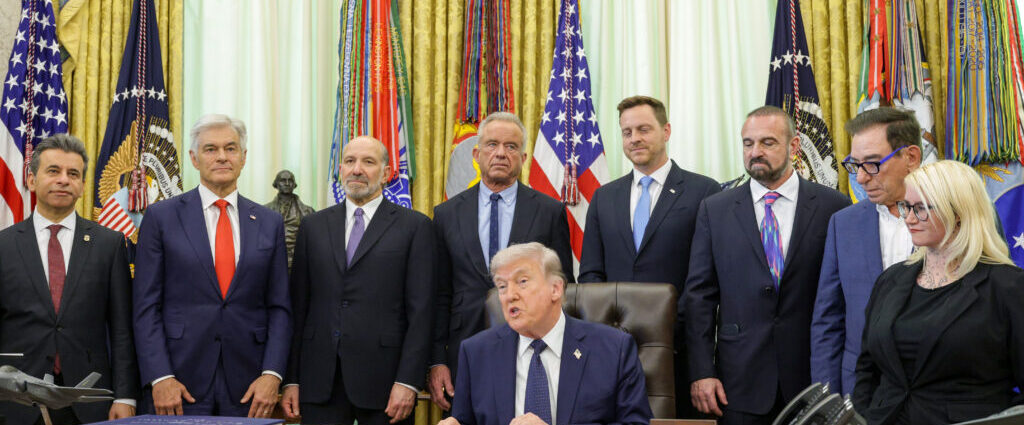
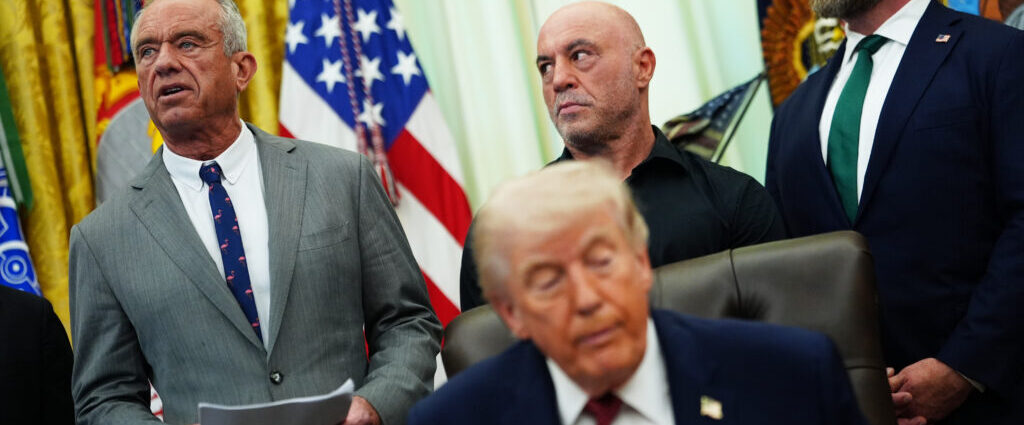
President Trump recently signed an executive order which aims to increase access to psychedelic drug treatments. He was joined at the signing by podcaster Joe Rogan, who said he’ ha’d messaged the president about research on the psychedelic ibogaine. 

In this week’s STATus Report, host Alex Hogan chats with STAT Washington correspondent Daniel Payne about what the executive order does and doesn’t do. Hogan also looks at why ibogaine, and psychedelic drugs more broadly, are increasingly being taken seriously for stubbornly hard-to-treat conditions like addiction, depression, and PTSD.

This post was originally published here

Since I was 7, my goal has been to become a doctor. But life had other plans. I grew up in a blue-collar family in Levittown, N.Y., in the 1950s and ’60s, so it often felt like the world ended in Jersey. When I landed in Lansing, Mich., to attend Michigan State, I expected the Rocky Mountains to be visible. I ended up getting a degree in nursing, but I always had another goal: to become an M.D.

This year, at the age of nearly 73, my dream will finally come true. Soon after, I will start my residency in family medicine. My perspective on medical school and medicine is unique not only because I attended late in life, but because it came after more than 40 years as a nurse practitioner.

Read the rest…

This post was originally published here

How did a biotech company that almost ran out of money three times get acquired for over $3 billion? Will the M&A streak continue? And why are drugmakers working with a telehealth company called Prescribery?

We discuss all that and more on this week’s episode of “The Readout LOUD,” STAT’s weekly biotech podcast. Venture capitalist Bryan Roberts joins us to discuss his firm’s investment in Kelonia Therapeutics, the CAR-T biotech that Eli Lilly just said it would buy for $3.25 billion.

Read the rest…

This post was originally published here

The days of “Just Say No,” it seems, are long gone. 

Over the weekend, President Trump signed an executive order to increase the availability of certain psychedelics as treatments for mental health conditions, ordering that $50 million be spent, and that the Food and Drug Administration fast-track reviews to usher in their approval. At one point, the president joked to the motley assembly of administration officials, a former Navy SEAL, and the podcaster Joe Rogan:  “Can I have some, please?” 

On Wednesday, the Trump administration announced it had downgraded medical marijuana from the highest tier of controlled substances, and was pushing the Drug Enforcement Administration to do the same for recreational marijuana.

The president’s lenient tack on some mind-altering drugs ushers in a new world of right-wing drug policy. While the administration has emphasized hardline, militaristic tactics when it comes to fentanyl, its recent actions on “softer” drugs could represent a new era not just for Republican politics but also for American drug policy writ large. 

“With this imminent move, we are now confronted with the most pro-drug administration in our history,” Kevin Sabet, the CEO of the anti-legalization advocacy group Smart Approaches to Marijuana, said in a statement. “Policy is now being dictated by marijuana CEOs, psychedelics investors, and podcasters in active addiction — it is a travesty and injustice to the American people of unprecedented proportions. The marijuana industry is the new Big Tobacco, and President Trump is welcoming them to the homes of families across this country with open arms.”

Continue to STAT+ to read the full story…

This post was originally published here

Heart disease and cancer are the leading causes of death in the United States, but it is rare that cancer makes its way to the heart. 

It’s an observation that clinicians have been grateful for, though largely unable to explain. But in a paper published Thursday in Science, researchers propose one potential explanation: The constant pressure that the organ is under from beating thousands of times a day and pushing gallons of blood creates an environment that is hostile to cancers. The study, which was conducted in mice, is preliminary, but outside experts said it points to potential new approaches for cancer treatments. 

Read the rest…

This post was originally published here

WASHINGTON — President Trump heralded a drug pricing agreement with Regeneron on Thursday, closing the last of 17 deals initially sought by the White House last year.

Regeneron, as part of the private deal, will reduce prices on drugs to Medicaid, provide cholesterol medicine Praluent on TrumpRx for $225, and invest $27 billion in drug development in the United States.

On the same day, Regeneron also announced Food and Drug Administration approval of Otarmeni, the first gene therapy to be greenlit under the agency’s new National Priority Voucher program. In early trials, the drug provided modest hearing gains for people with a rare type of hearing loss, though its development has received pushback from parts of the Deaf community. Regeneron plans to offer the drug at no cost to American patients. 

Continue to STAT+ to read the full story…

This post was originally published here

Rise and shine, everyone, another busy day is on the way. Already, the Pharmalot campus has been bustling as the official mascots have been busy chasing assorted creatures in search of their breakfast. As for us, yes, we are firing up the trusty kettle once again and brewing another cuppa stimulation. Our choice today is Earl Gray. Now, though, the time has come to get still busier. On that note, here are some tidbits. Have a lovely day and do keep in touch. …

As links between pharmaceutical companies and telehealth providers grow, health policy experts and legislators are raising concerns over the large fees that telehealth companies can receive from drugmakers each year, STAT explains. Critics have questioned whether those partnerships break federal laws prohibiting financial kickbacks to induce prescribing, highlighting their potential to promote uncoordinated care and overprescriping of unnecessary, and often expensive, branded medications. The same questions apply to coupons extended for a drug-specific telehealth visit. Drugmakers have long used discount coupons to encourage patients to use their high-cost medications. But coupons can influence not just the out-of-pocket price for the drug, but the cost of consulting with a clinician who can prescribe it. 

U.S. Health and Human Services Secretary Robert F. Kennedy Jr. told ​a Senate hearing on Wednesday that he had nothing to do with a U.S. Food and Drug Administration ‌decision to not approve Replimune’s advanced skin cancer drug, saying it was in the hands of FDA Commissioner Marty Makary, Reuters writes. Earlier this month, the FDA declined ​to approve the drug after taking issue with the company’s reliance on a single‑arm ⁠study for the drug without a control group. In its letter, the FDA said the company must provide data from a well-controlled trial demonstrating adequate evidence of effectiveness. “This decision comes out of FDA, and we trust ​the process there. And I’ve been told by Marty Makary that every panel that looked at that drug unanimously voted against it … because it does not appear to work,” Kennedy said. An op-ed in The Wall Street Journal maintained Kennedy’s comments were not true and cited cancer doctors who have worked on trials of the drug and said it was effective.

Continue to STAT+ to read the full story…

This post was originally published here

WASHINGTON — President Donald Trump’s acting attorney general on Thursday signed an order reclassifying state-licensed medical marijuana as a less-dangerous drug, a major policy shift long sought by advocates who said cannabis should never have been treated like heroin by the federal government.

The order signed by Todd Blanche does not legalize marijuana for medical or recreational use under federal law. But it does change the way it’s regulated, shifting licensed medical marijuana from Schedule I — reserved for drugs without medical use and with high potential for abuse — to the less strictly regulated Schedule III. It also gives licensed medical marijuana operators a major tax break and eases some barriers to researching cannabis.

Read the rest…

This post was originally published here

You’re reading the web edition of STAT’s Health Tech newsletter, our guide to how technology is transforming the life sciences. Sign up to get it delivered in your inbox every Tuesday and Thursday.

Good morning health tech readers!

After inviting consumers to upload medical records for examination by ChatGPT earlier this year, OpenAI is now making its play for their doctors as well.

Continue to STAT+ to read the full story…

This post was originally published here

You’re reading the web edition of D.C. Diagnosis, STAT’s twice-weekly newsletter about the politics and policy of health and medicine. Sign up here to receive it in your inbox on Tuesdays and Thursdays.

Sarah Todd’s MAHA snackdown article includes such merchandising gems as “fibermaxxing” chips, “protein-powered” yogurt, and “longevity” beverages. My generation’s biggest contribution to food marketing was light beer. Send news tips and brand management schemes to John.Wilkerson@statnews.com or John_Wilkerson.07 on Signal.

Losing BALANCE

The Trump administration couldn’t get insurers to provide cheap obesity drugs to seniors through the Medicare pilot BALANCE. So Medicare will now make the drugs available to seniors outside of the Part D drug benefit in another pilot, called Bridge.

Continue to STAT+ to read the full story…

This post was originally published here

Legislators in two states have resisted efforts to restrict Prescription Drug Affordability Boards, the controversial panels that are designed to function as rate-setting authorities and place limits on the cost of prescription medicines.

In Virginia, the General Assembly unanimously rejected a move by Gov. Abigail Spanberger (D) to delay a key provision of two bills that would create a board and allow it to place price caps that mirror the negotiated prices paid by Medicare. Spanberger must now either accept or veto the legislation as originally intended.

In Colorado, the House Health and Human Services Committee postponed consideration of a bill that would exempt orphan drugs, which are used to treat rare diseases, from pricing caps that might be pursued by the state board. By delaying action until the end of the legislative session, the bill has effectively died.

Continue to STAT+ to read the full story…

This post was originally published here

Federal regulators on Thursday announced a new Medicare coverage pathway for devices deemed breakthroughs by the Food and Drug Administration. The program aims to address longstanding industry complaints that it takes too long for Medicare to pay for innovative technology.

The new Regulatory Alignment for Predictable and Immediate Device coverage pathway, or RAPID, will try to synchronize the FDA’s premarket review process, which determines whether products are safe and effective, and Medicare’s independent process which determines whether paying for devices is reasonable and necessary. The goal is to collect and review enough data before authorization that Medicare can cover the products soon after a product hits the market. It’s the latest effort to speed up patient access to breakthrough devices.

“We’re going to demystify the process by providing a clear signal to device manufacturers of exactly what targets they need to hit to get Medicare coverage,” said Medicare Deputy Administrator John Brooks. “And that’s enormously valuable, if you think about the investment timelines for device manufacturers who are trying to bring life-saving treatments to individuals.”

Continue to STAT+ to read the full story…

This post was originally published here

Want to stay on top of the science and politics driving biotech today? Sign up to get our biotech newsletter in your inbox.

A gene therapy for deafness is starting to deliver real-world benefit. Also, ultra-cheap telehealth options are raising concerns about whether easier access to prescription drugs is coming at the expense of patient care. And, in front of Congress, RFK Jr. seems to be striking a different tune on vaccines.

Sanofi research priorities in flux as new CEO logs in 

From my colleague Andrew Joseph: One of the open questions about the future of Sanofi as Belén Garijo takes over as CEO this month is whether the company, which had upped its focus in immunology in recent years only to come up with lackluster results, will rebalance its priorities.

Continue to STAT+ to read the full story…

This post was originally published here

On Tuesday, Secretary of Defense Pete Hegseth announced that the men and women who defend our nation will be able to choose whether to be protected from the flu. In his video statement, he said that service members will no longer be required to get the annual influenza vaccine because flu causes “no threat to our military readiness.”

Unfortunately, this is untrue. During the 1918 influenza pandemic, more than 20,000 U.S. service members died and hundreds of thousands were hospitalized. People of military age were among those with the highest death rates during that outbreak, impacting not only their health, but the U.S. economy and military readiness. Historians report that up to 20% of U.S. service members became ill. As a result, the U.S. military began pursuing a flu vaccine to ensure that, in the future, our nation’s defenders would be protected from this threat.

Read the rest…

This post was originally published here

This is the online version of Adam’s Biotech Scorecard, a subscriber-only newsletter. STAT+ subscribers can sign up here to get it delivered to their inbox.

I wore my Tottenham Hotspur hoodie while shopping at Market Basket last Sunday. One fellow shopper laughed at me. He must have been an Arsenal fan. But another guy commiserated.

If none of this means anything to you, I’m sorry. My favorite soccer team is circling the drain and I feel sad. 

The promise of a better pan-RAS inhibitor

Erasca has been described as the poor man’s Revolution Medicines. Impoverished doesn’t exactly fit, not with Erasca’s market value nearing $7 billion on the promise of a better pan-RAS inhibitor for pancreatic cancer. But RevMed’s value now tops $30 billion, so you can see why biotech investors are motivated to find the next big thing.

Whether Erasca is worthy of that description will become clearer in May when the company reports initial results from an early stage study of its drug, called ERAS-0015.

“RevMed has been a real pioneer in this space,” Erasca co-founder and CEO Jonathan Lim told me when we spoke on Tuesday. “What a day it was last week seeing their data with 13.2 months of median overall survival. It’s great for patients with pancreatic cancer.”

Continue to STAT+ to read the full story…

This post was originally published here

For the moment, Health and Human Services Secretary Robert F. Kennedy Jr. seems quieter and more positive on vaccines than many, us included, ever expected he could be. Public messaging has shifted — at least superficially — toward nutrition, chronic disease, and the Make America Healthy Again agenda. Kennedy even acknowledged in a recent congressional hearing that the measles, mumps, and rubella vaccine is safe and effective “for most people.” 

But this lull in anti-vaccine rhetoric and action should not be mistaken for a durable pivot in federal vaccine policy. It is a cynical, political pause: the eye of a storm shaped more by electoral timing than public health strategy. 

Read the rest…

This post was originally published here

The little pink pill recently got a retail boost. Addyi, a drug that treats low libido in premenopausal women, has been on the market for more than a decade after a controversial approval. But in December the Food and Drug Administration expanded its use, approving the daily drug for all women under 65. 

More women than ever now could qualify for the pill — and its maker, Sprout Pharmaceuticals, made it easy for them to find out. On its Instagram account, in Facebook ads, and on its website, Sprout shared how women could get a quick consult for an Addyi prescription: With a special code, PINKPILL, they could get a telehealth visit for just $10. 

Drugmakers have long used discount coupons to encourage patients to use their high-cost medications. Now, coupons can influence not just a drug’s out-of-pocket price, but the cost of consulting with a clinician who can prescribe it. 

For Addyi, those consultations and discounts are managed by a telehealth company called Prescribery — one of several that work with drugmakers to help patients “talk to a doctor now” about their products. “We give them the coupon codes that they can use, and they get to market it to drive additional business,” said Prescribery’s CEO and CFO Ross Pope. “That’s sort of our arrangement, where they’re driving more business, both for them and for us.”

As links between pharmaceutical companies and telehealth providers grow, health policy experts and legislators have sounded alarms. Telehealth companies can receive hundreds of thousands of dollars in pharma fees a year. Critics have questioned whether those partnerships break federal laws prohibiting financial kickbacks to induce prescribing, highlighting their potential to promote uncoordinated care and overprescription of unnecessary, and often expensive, branded medications. 

The same questions, they say, apply to coupons extended for a drug-specific telehealth visit. “These discount structures are one more piece of the same puzzle,” said Daniel Eisenkraft Klein, a postdoctoral fellow at the Program on Regulation, Therapeutics, and Law at Brigham and Women’s Hospital and Harvard Medical School. “It’s this big financial architecture that’s every step of the way designed to move patients toward the specific drug cheaply and quickly.” 

Continue to STAT+ to read the full story…

This post was originally published here

WASHINGTON — Health secretary Robert F. Kennedy Jr. once said there are no vaccines that are safe and effective. On Wednesday, he seemed to have changed his tune.

Across two Senate hearings, Kennedy noted that as health secretary, he funded the development of new vaccines, green-lit new shots for patients, asserted flu vaccines are preventive care, and even urged “every child to get the MMR,” a shot he previously suggested wasn’t safe. Last week, he acknowledged the shot could have saved the life of a child who died of measles.

Kennedy’s agenda continues to make waves across American health care, as his department pursues a broad crackdown on alleged fraud and seeks to upend Americans’ relationship with ultra-processed foods, all after major cuts across health agencies and a reworking of vaccine policy. But the about-face expands to a number of core MAHA issues — chemicals in food and the government’s relationship with industry among them.

It comes as some leaders of the insurgent movement have grown skeptical of the administration they rallied to support, forcing the Trump administration to thread the needle between courting the MAHA base’s ongoing support and dropping MAHA priorities seen as impractical or politically unwise. 

Continue to STAT+ to read the full story…

This post was originally published here

A former tobacco industry executive has been appointed to senior leadership at the Centers for Disease Control and Prevention, alarming public health advocates and critics of industry influence on government.

Stephen Sayle, named in March as the CDC’s deputy director for legislative affairs, previously worked at Fontem Ventures, a subsidiary of the British multinational tobacco corporation Imperial Brands. Between 2017 and 2018, he was U.S. vice president of corporate affairs at Fontem, which is focused on non-combustible tobacco products like the e-cigarette brand blu and the oral nicotine pouch brand Zone. 

Read the rest…

This post was originally published here

Washington state hospitals say their Medicare patients are waiting two to four times longer in some cases for procedures that are now subject to prior authorization under a new Medicare program. 

The report from U.S. Sen. Maria Cantwell (D-Wash.) is among the first to document alleged patient harm stemming from the Centers for Medicare and Medicaid Services’ new Wasteful and Inappropriate Service Reduction, or WISeR, Model. Cantwell is one of several Democratic members of Congress who have been urging CMS to scrap the program, which launched Jan. 1. 

Cantwell aired her concerns about WISeR to Health and Human Services Secretary Robert F. Kennedy Jr. at a Senate Finance Committee hearing on Wednesday. She said CMS is using AI as a “denial device” and that patients are waiting weeks to get approval for services that previously didn’t require approval. 

Continue to STAT+ to read the full story…

This post was originally published here

Health secretary Robert F. Kennedy Jr. testified on Wednesday before the Senate lawmakers who arguably hold the most power in advancing or hindering his Make America Healthy Again agenda. 

The Senate Health, Education, Labor, and Pensions Committee hearing put the secretary face-to-face with Chair Bill Cassidy (R-La.), whose vote to confirm Kennedy last year came with a number of promises on vaccine policy that Kennedy has since blown through.

Read the rest…

This post was originally published here

You’re reading the web version of STAT’s popup newsletter, AACR in 30 seconds, your guide to what’s happening at the American Association of Cancer Researchers’ annual meeting.

This is the last edition of our pop-up newsletter. We hope you’ve learned as much as we have. If you’re not already a STAT+ subscriber, consider it! There’s currently a 60% off promotion on annual subscriptions.

In the meantime, thanks for joining us.

Overcoming resistance and RevMed’s next drug?

In case you missed it, Revolution Medicines’ sessions yesterday were jam-packed with conference attendees. While most of the media coverage focused on the daraxonrasib in frontline pancreatic cancer data, the company also revealed some activity in a new compound, RM-055. CEO Mark Goldsmith described it as being part of a new class of “catalytic inhibitors,” since it can slice off a phosphate from GTP-RAS, or the “on” form of RAS, and turn the protein off.

This generated a lot of interest because one of the main ways that cancer develops resistance to RAS inhibitors is by amplifying mutant RAS, basically flooding the cell with the oncoprotein and overwhelming the inhibitor. RM-055, with its catalytic ability to turn multiple mutant RAS proteins off, may be the next step in the arms race against RAS-addicted cancer.

Continue to STAT+ to read the full story…

This post was originally published here

Health secretary Robert F. Kennedy Jr. will testify Wednesday before the Senate lawmakers who arguably hold the most power in advancing or hindering his Make America Healthy Again agenda. 

The Senate Health, Education, Labor, and Pensions Committee hearing will also put the secretary face-to-face with Chair Bill Cassidy (R-La.), whose vote to confirm Kennedy last year came with a number of promises on vaccine policy that Kennedy has since blown through.

Read the rest…

This post was originally published here

Want to stay on top of the science and politics driving biotech today? Sign up to get our biotech newsletter in your inbox.

Good morning. We’ve got a lot of new data to dig into, so let’s get straight to it.

Medicare delays pilot for covering obesity drugs

One of the key health care accomplishments the Trump administration wanted to claim was securing coverage of obesity drugs for seniors. That plan is now unraveling.

Continue to STAT+ to read the full story…

This post was originally published here

After the U.S. launched 988, a new shortened phone number for the national suicide and crisis hotline, suicide deaths among adolescents and young adults dropped 11% compared to projected rates, according to a JAMA study published Wednesday.

Suicide rates have been increasing in the U.S. for decades, especially among young people. Overall, the number of suicide deaths in the U.S. dropped slightly in 2024 from a peak in 2022 — the year that 988 was launched. The new research found even greater improvements when comparing the quarterly rate of suicide deaths among people age 15 to 34 against projections. And the states that saw the biggest increases in answered calls to the lifeline experienced the largest decline in suicide rates. 

Read the rest…

This post was originally published here

Three years after researchers first injected deaf children with a treatment designed to give them hearing, an early scientific consensus is emerging: This gene therapy works.

A team of researchers published on Wednesday the most promising results to date: In a clinical trial in China, 90% of participants reported significant improvement in their hearing after receiving an injection. The therapy even improved hearing in a few adults, including a 32-year-old. The results were published in Nature.

“In some patients, the hearing improved so well that they can hear whispers,” said Zheng-Yi Chen, a study author and Mass Eye and Ear otolaryngologist. “To reach a stage where you can hear normal conversation, it’s mind-boggling.”

Continue to STAT+ to read the full story…

This post was originally published here

Good morning, everyone, and welcome to the middle of the week. Congratulations on making it this far, and remember there are only a few more days until the weekend arrives. So keep plugging away. After all, what are the alternatives? While you ponder the possibilities, we invite you to join us for a delightful cup of stimulation. Our choice today is maple cinnamon French toast. Remember that no prescription is required — so no co-pay or rebate is involved. Meanwhile, here is the latest menu of tidbits to help you on your way. Have a wonderful day and please do stay in touch. …

The Trump administration had planned for insurers to provide cheap weight loss drugs to seniors through a Medicare pilot program, but insurers said no, so the government will instead cover the drugs outside of the Medicare Part D drug benefit, STAT explains. Last year, the Trump administration struck a deal with Eli Lilly and Novo Nordisk to lower the prices of their popular obesity drugs in exchange for expanding access to those drugs in Medicare and Medicaid. The hitch was that insurers had to agree to participate in the pilot, called BALANCE, even though they would likely have faced a financial strain by doing so. The drugmakers agreed to sell the treatments for $245 a month in Medicare and Medicaid, but Medicare promised that  beneficiaries would only pay $50 each month. And the pilot could only proceed if Medicare Part D drug plans covering at least 80% of enrollees agreed to participate.

Amazon is launching a program that provides access to GLP-1 treatments through its One Medical primary care arm, The Wall Street Journal notes. The program is designed to provide continuing medical supervision — allowing clinicians to monitor progress, adjust treatments, and address related health conditions — compared with one-off weight-management solutions from other providers. With the program, customers can get Novo Nordisk’s Wegovy and Eli Lilly’s Foundayo weight loss pills starting at $25 a month with insurance coverage, or $149 a month for cash-pay options. The cash-pay price for a starter dose aligns with those offered through programs from Hims & Hers Health, Walgreens, and Weight Watchers. Several companies in the weight loss market saw their stocks pull back after Amazon’s announcement. Shares of Hims & Hers closed down 4% at $29.76 on Tuesday. Weight Watchers declined 8.8%, and Novo Nordisk fell 2.6%.

Continue to STAT+ to read the full story…

This post was originally published here

Get your daily dose of health and medicine every weekday with STAT’s free newsletter Morning Rounds. Sign up here.

Good morning. Big news: I’ve convinced at least one other STAT staffer to re-read “The Odyssey” with me ahead of the movie this summer. Starting today, that means we’ll read three books (chapters), or about 1,500 lines, per week for the next eight weeks. Care to join us? 

Read the rest…

This post was originally published here

Have you ever wondered how many drugs are behind the counter at your local pharmacy?

According to Thomas Goetz — a journalist, entrepreneur, and host of the new podcast “Drug Story” —  “there are over 3,000 drugs behind a typical pharmacist counter.” And behind each drug is a story.

Read the rest…

This post was originally published here

Vani Hari has 2.3 million followers on Instagram, and about as many ideas for healthy food swaps. An entrepreneur and influential food activist in the Make America Healthy Again movement, Hari gives regular shout-outs to substitutes for snacks that contain corn syrup, seed oils, and other ingredients on health-conscious Americans’ blacklist.

For Valentine’s Day, YumEarth choco yums instead of artificially dyed M&Ms. (“Let me say these treats are BETTER, but they are still candy,” Hari writes.) For Super Bowl parties, Jackson’s avocado oil potato chips rather than Lay’s. Looking for a less processed alternative to Chick-fil-A’s frosted lemonade? Why not make your own with lemon-flavored protein powder from Hari’s own brand, Truvani. At least one attempt at a healthy food swap struck out with Hari: PepsiCo’s recently debuted dye-free line of Cheetos and Doritos. “This is dumb,” she wrote on Instagram. “Creating a whole NEW product, instead of FIXING their old product.” 

Though the vast majority — 84% — of Americans said eating healthfully was at least moderately important to them in a recent Deloitte survey, most admit their own habits fall short of their aspirations. The $156 billion packaged snack industry has spotted a business opportunity in catering to people seeking a more enlightened way of noshing. 

Read the rest…

This post was originally published here

In the aftermath of the successful Artemis II mission, NASA is moving forward with the next steps of its plans to establish a base on the moon. According to NASA Administrator Jared Isaacman, crews will be operating at the lunar base within the next decade with an even more ambitious long-term goal: Mars. 

Human health in the space environment will be an important factor in these efforts. Among the concerns NASA should consider is the potential impacts of immunology and infectious disease. 

Read the rest…

This post was originally published here

You’re reading the web version of STAT’s popup newsletter, AACR in 30 seconds, your guide to what’s happening at the American Association of Cancer Researchers’ annual meeting. Sign up here.

We’re nearing the end of a big AACR. We hope to see everyone at our live event on Tuesday night. Clearly, Revolution Medicines and KRAS have been the big topic of the meeting. Last year, AACR was dominated by big concerns over what cancer research funding would look like in the Trump administration. This year, the new head of the NCI tried to allay researchers’ fears. Read on!

Strong results for Revolution Medicines’ KRAS drug 

Last week, researchers working with the biotechnology firm Revolution Medicines presented stunning news: the experimental drug daraxonrasib more than doubled survival in second-line pancreatic cancer compared to chemo — although that only meant increasing median survival in this terrible disease by six months.

Continue to STAT+ to read the full story…

This post was originally published here

A one-time, personalized cell therapy from Kyverna Therapeutics improved mobility and reduced disabilities in patients with stiff person syndrome, a rare, neurological autoimmune disorder, according to study results presented Tuesday.

Kyverna intends to submit the treatment to the Food and Drug Administration by the middle of the year. If approved, it would become the first treatment for stiff person syndrome and the first personalized CAR-T therapy for an autoimmune disease of any kind to reach the market. 

Currently, CAR-T treatments are approved only for blood cancers, but using engineered T cells to deplete B cells — essentially performing an immune system reset inside a patient — has pushed a growing number of biotech companies to shift their CAR-T focus to autoimmune diseases. 

Continue to STAT+ to read the full story…

This post was originally published here

SAN DIEGO — Revolution Medicines is already cooking up the next iteration of RAS inhibiting drugs.

At the American Association of Cancer Research annual meeting here, the company is the talk of the town for the clinical trial success of daraxonrasib, its next generation targeted therapy, in advanced pancreatic cancer. And while the company presented more data on that drug Tuesday, showing promising first line and combination data on daraxonrasib, scientists also showed in another session intriguing preclinical data on a completely new compound that may represent what comes after the current lineup.

That drug, currently called RM-055, is what RevMed CEO Mark Goldsmith is calling an entirely “novel class of catalytic inhibitors.” These are targeted therapies that not only block the RAS signaling that drives cancer, but molecularly turn the cancer protein off.  

Continue to STAT+ to read the full story…

This post was originally published here

The Swiss drugmaker Roche on Tuesday presented the latest data for its experimental multiple sclerosis drug, setting the stage for the company to seek approval for a medicine that it believes can cut relapse rates and slow the progressive disability the disease causes.  

Now the test is whether the drug, called fenebrutinib, can win the regulatory green light.

While three late-stage trials of the drug have shown it to be effective, analysts have homed in on some potentially worrying liver safety signals, an issue that previously prompted the Food and Drug Administration to reject an MS therapy developed by Sanofi. In data released Tuesday, researchers also disclosed that there were two drug-related deaths among patients who took fenebrutinib.  

Continue to STAT+ to read the full story…

This post was originally published here

A judge on Tuesday delayed the criminal sentencing of OxyContin maker Purdue Pharma in order to allow victims to attend the court proceeding in person.

U.S. District Judge Madeline Cox Arleo originally planned to hand down the sentence Tuesday during a court hearing conducted only by videoconferencing. But she said she changed her mind after seeing some victims of the opioid crisis protesting outside her courthouse in Newark, New Jersey. She said they should be allowed to attend in person, too, and moved the hearing to next Tuesday.

Read the rest…

This post was originally published here

WASHINGTON — The Trump administration had planned for insurers to provide cheap weight loss drugs to seniors through a Medicare pilot program. Insurers said no, so the government will instead cover the drugs outside of the Medicare Part D drug benefit.

Last year, the Trump administration struck a deal with Eli Lilly and Novo Nordisk to lower the prices of their popular obesity drugs in exchange for expanding access to those drugs in Medicare and Medicaid. Medicare is prohibited from covering weight loss drugs, but the administration proposed waiving that restriction to test whether covering the medications would save tmoney or improve health outcomes at no additional cost.

The hitch was that insurers had to agree to participate in the pilot, called BALANCE, even though they would likely have faced a financial strain from doing so. The drugmakers agreed to sell the treatments for $245 a month in Medicare and Medicaid, but Medicare promised that  beneficiaries would only pay $50 each month. 

Continue to STAT+ to read the full story…

This post was originally published here

WASHINGTON — Both Democratic and Republican senators who oversee federal spending seemed skeptical of proposed cuts to health research and public health in the White House’s budget, potentially teeing up a congressional package that ignores many of the administration’s most dramatic proposals for a second year. 

During a Senate appropriations health subcommittee hearing Tuesday, lawmakers questioned health secretary Robert F. Kennedy Jr. on how his department could tackle chronic disease, smoking cessation, and cancer research with a proposed 2027 fiscal budget that would cut the department by 12%. 

The request, which is broadly similar to what was proposed last year, includes deep cuts to the National Institutes of Health, the elimination of a health research agency, and the creation of a new agency devoted to chronic diseases called the Administration for a Healthy America.

Continue to STAT+ to read the full story…

This post was originally published here

WASHINGTON — Both Democratic and Republican senators who oversee federal spending seemed skeptical of proposed cuts to health research and public health in the White House’s budget, potentially teeing up a congressional package that ignores many of the administration’s most dramatic proposals for a second year. 

During a Senate appropriations health subcommittee hearing Tuesday, lawmakers questioned health secretary Robert F. Kennedy Jr. on how his department could tackle chronic disease, smoking cessation, and cancer research with a proposed 2027 fiscal budget that would cut the department by 12%. 

The request, which is broadly similar to what was proposed last year, includes deep cuts to the National Institutes of Health, the elimination of a health research agency, and the creation of a new agency devoted to chronic diseases called the Administration for a Healthy America.

Continue to STAT+ to read the full story…

This post was originally published here

WASHINGTON — The Trump administration will ask states to create new plans to verify medical providers paid by federally funded health care programs as part of a broad effort to combat fraud in government programs, Mehmet Oz, the administrator of the Centers for Medicare and Medicaid Services, said Tuesday.

The administration will ask states to develop plans in the next month to revalidate providers in “high-risk” areas to determine whether they exist and have the right to provide services, Oz said at Politico’s health care summit.

The announcement is another step from the administration in its aggressive — and highly publicized — attacks on alleged waste, fraud, and abuse in federal health care programs. The administration has targeted certain programs and providers primarily in Democrat-led states such as Minnesota and California, though the administration’s claims have been disputed at times by state leaders. 

Continue to STAT+ to read the full story…

This post was originally published here

Noting President Trump’s recent erratic public behavior, scores of legislators and political commentators have urged invoking the 25th Amendment to replace him with Vice President JD Vance. These individuals, largely Democrats, have questioned the president’s mental health, calling him “insane,” “deranged,” “unhinged,” and “batshit crazy,” among other terms. In response, the White House continues to defend Trump’s behavior as keeping his perceived opponents on edge.

Those calling for Trump’s removal under the 25th Amendment are misguided. Here’s why.

The 25th Amendment, which became law in 1967, is designed to ensure a prompt, orderly transfer of power if the president dies or becomes ill. Under the amendment’s terms, the vice president is indispensable in activating it, and involuntarily removing the president would need the support of a majority of the Cabinet and a two-thirds vote of both houses of Congress.

Continue to STAT+ to read the full story…

This post was originally published here

You’re reading the web edition of D.C. Diagnosis, STAT’s twice-weekly newsletter about the politics and policy of health and medicine. Sign up here to receive it in your inbox on Tuesdays and Thursdays.

For National Library Week, STAT is offering 60% off subscriptions. Send news tips and fiction suggestions to John.Wilkerson@statnews.com or John_Wilkerson.07 on Signal.

The Senate GOP doctors who will question RFK Jr.

There are four Republican doctors on two of the Senate committees at which health secretary Robert F. Kennedy Jr. will testify this week. Two have been critical of Kennedy’s anti-vaccine policies, and we’ll be watching how they question the secretary, especially because the Republican party is trying its best to avoid talking about vaccines in the lead-up to the midterm elections.

Continue to STAT+ to read the full story…

This post was originally published here

UnitedHealth Group, a company defined by growth, is systematically paring back parts of its business it spent years building up: Medicare Advantage and its sprawling provider network. That retreat is now paying off. 

UnitedHealth’s financial performance in the first quarter, released Tuesday, far exceeded analysts’ expectations in both its Optum and UnitedHealthcare divisions. As a result, the company raised its full-year adjusted earnings outlook by 2.8% to $18.25 per share. Analysts praised the company’s performance in their notes, and UnitedHealth’s stock climbed as much as 10% mid-morning, even giving its competitors a lift. 

Leaders who spoke on the company’s earnings call Tuesday morning sounded celebratory yet cautious, noting that both its insurance division, UnitedHealthcare, and its provider division, Optum Health, accrue most of their earnings in the first half of the year. 

Continue to STAT+ to read the full story…

This post was originally published here

WASHINGTON — Defense Secretary Pete Hegseth announced Tuesday that the U.S. military will no longer require all American troops to get the flu vaccine, citing “medical autonomy” and religious freedom.

“The notion that a flu vaccine must be mandatory for every service member, everywhere, in every circumstance at all times is just overly broad and not rational,” Hegseth said in a video posted on social media.

Read the rest…

This post was originally published here

Top of the morning to you, and a fine one it is. Sunny skies and mild breezes are enveloping the Pharmalot campus once again. And to celebrate, we are brewing another cuppa stimulation and inviting you to join us. Our choice today is blackberry hibiscus. Remember, a prescription is not required. So no need to mess with rebates or even TrumpRx. Meanwhile, here are a few items of interest. Hope you have a meaningful and productive day and, of course, do stay in touch. …

Pfizer executive Andrew Baum, a former analyst at Citibank who joined the drugmaker in June 2024 to redirect its strategic approach, has left his role as an executive vice president and chief strategy and innovation officer, STAT writes. He will continue as an adviser to Pfizer chief executive officer Albert Bourla until the end of the year. Baum was part of a mini-trend of large pharmaceutical companies hiring former analysts at investment banks, who closely track multiple companies in order to help investors understand their businesses, as strategic leaders. Ronny Gal, a longtime analyst at Bernstein, became chief strategy and growth officer at Novartis in 2022. Christopher Shibutani joined Bristol Myers Squibb as chief strategy officer last year.

A U.S. judge is expected to sentence OxyContin maker Purdue Pharma to forfeit $225 million to the U.S. Department of Justice on Tuesday, clearing the way for the company to finalize a settlement of thousands of lawsuits it faces over its role in the opioid crisis, the Associated Press tells us. The penalty was agreed to in a 2020 pact to resolve federal civil and criminal probes it was facing. If the judge signs off, other penalties will not be collected in return for Purdue settling the other lawsuits. The settlement was approved by another judge last year and could take effect on May 1. It requires members of the Sackler family who own the company to pay up to $7 billion to state, local, and Native American tribal governments, some individual victims, and others.

Continue to STAT+ to read the full story…

This post was originally published here

Want to stay on top of the science and politics driving biotech today? Sign up to get our biotech newsletter in your inbox.

Good morning. Starting and sustaining a biotech company is never easy. If you need a reminder on that, read to the end of today’s newsletter.

BioAge’s bet on inflammation shows early promise

BioAge is making its way into the race among drug companies to target inflammation as a way to treat chronic conditions.

Continue to STAT+ to read the full story…

This post was originally published here

Get your daily dose of health and medicine every weekday with STAT’s free newsletter Morning Rounds. Sign up here.

Good morning. I have a confession: Yesterday was the first time I ever logged into my patient portal to check my medical records. Seeing this in a clinical note from a few years ago made me chuckle: “Lives alone with cat.”

Read the rest…

This post was originally published here

You’re reading the web edition of STAT’s Health Tech newsletter, our guide to how technology is transforming the life sciences. Sign up to get it delivered in your inbox every Tuesday and Thursday.

Good morning health tech readers!

Maybe the Trump administration has grand plans to cover breakthrough devices after all?

Continue to STAT+ to read the full story…

This post was originally published here

BioAge Labs said Tuesday that its investigational pill for cardiovascular risk prevention significantly reduced inflammation in an early study, as more drug companies target inflammation as a way to treat a range of chronic conditions.

In a Phase 1 study of people with obesity and elevated inflammation levels, patients taking a 60-milligram dose of the drug, called BGE-102, experienced an 86% reduction in a measure of inflammation called high-sensitivity C-reactive protein (hs-CRP) after three weeks. That’s a similar level of reduction seen in patients who took a higher 120-mg dose in the study, which the company previously reported

Additionally, 87% of patients taking the 60-mg dose achieved hs-CRP levels of less than 2 mg/liter, the threshold thought to be associated with a lower risk of cardiovascular complications.

Continue to STAT+ to read the full story…

This post was originally published here

A new startup has found that the Chinese biotech industry is good for more than obesity drugs and cancer therapies. 

The company, Tortugas Neuroscience, launched Tuesday with plans to develop two schizophrenia and tinnitus drugs licensed from Chinese drugmaker Jiangsu Hansoh Pharmaceutical Group. The startup will also test two other medicines for focal epilepsy and encephalopathies that were originally created by Japanese pharmaceutical company Eisai Co. Ltd. 

Tortugas has $106 million from Cure Ventures, The Column Group, and AN Ventures to begin testing the drugs in mid-stage trials in the U.S. 

Continue to STAT+ to read the full story…

This post was originally published here

Circa 1970, the renowned Russian neuropsychologist Alexander Luria together with Karl Pribram from Stanford University and other neuroscientists of that era introduced the term “executive functions” into the scientific lexicon to denote complex behaviors such as attention and awareness. They identified the frontal lobe — the front of the brain — as the “executive of the brain” responsible for these behaviors based on their experiments with primates and patients with specific brain injuries.

Over time, the concept evolved to include mental processes needed to focus, concentrate, and pay attention when challenged by multiple simultaneous sources of information to weigh options and make informed decisions as opposed to impulsive ones.

Read the rest…

This post was originally published here

You’re reading the web version of STAT’s popup newsletter, AACR in 30 seconds, your guide to what’s happening at the American Association of Cancer Researchers’ annual meeting. Sign up here.

We’re back with more data from the AACR meeting! Among the highlights today: a first look at a drug Merck acquired from China, a fascinating but potentially controversial use for CAR-T, and American oncology’s geography problem. Don’t forget: Tuesday night we will host a live event in San Diego, and we also have a virtual recap of the AACR conference on Thursday.

CAR-T shows deep response in smoldering myeloma

In an early phase trial, investigators at Dana-Farber Cancer Institute treated 20 high risk smoldering multiple myeloma patients with Carvykti, a BCMA directed CAR-T therapy. The idea was to use the immunotherapy on patients with the multiple myeloma precursor condition, hoping to prevent the active cancer in patients at high risk of progression.

Continue to STAT+ to read the full story…

This post was originally published here

Pfizer executive Andrew Baum, a former analyst at the investment bank Citi who joined the company in June 2024 to redirect its strategic approach, has left his role as an executive vice president and as chief strategy and innovation officer, the company confirmed Monday. He will continue as an adviser to Pfizer CEO Albert Bourla until the end of the year.

Pfizer and sources familiar with the matter described the move as stemming from both a sense that Baum had accomplished what he set out to do and a streamlining of Pfizer’s operations.

“Pfizer regularly evaluates its operations to ensure it is best positioned to deliver on the company’s business in the near-term and beyond,” the company said in a statement. It said that organizational and leadership changes would “position Pfizer to move faster, make clearer decisions, and advance innovation across the enterprise.”

Continue to STAT+ to read the full story…

This post was originally published here

SAN DIEGO — Alison Cameron spent close to a decade fighting to keep myeloma under control. She’d been diagnosed with smoldering multiple myeloma, a precursor to cancer, and spent years receiving infusions to keep it from progressing to active multiple myeloma. Now, after receiving CAR-T therapy, an aggressive immunotherapy, while on a trial, the 54-year old anesthesiologist is hoping the risk of cancer is gone for good.

It’s a reasonable hope, given the results of that trial, which researchers presented at the American Association for Cancer Research meeting here on Monday. All 20 patients who received the trial treatment no longer had any detectable myeloma cells in their body. That’s a far deeper and more complete response than scientists typically expect when it comes to multiple myeloma, and it’s prompting some experts to consider the possibility these patients have truly had active cancer permanently averted.

Currently, there is only one approved therapy for high risk smoldering myeloma, an antibody therapy called Darzalex. Patients can remain on treatment for years, but without achieving these kinds of deep molecular responses, and many still progress within 5 years, said Ecaterina Dumbrava, a cancer researcher at MD Anderson Cancer Center who did not work on the study. “The results raise a very important question whether early immune interception can not only delay progression but redefine treatment goals. Can we talk about the word we always avoid, which is cure,” she said.

Continue to STAT+ to read the full story…

This post was originally published here

On Saturday, with podcaster and psychedelics fan Joe Rogan standing over his shoulder, President Trump signed an executive order intended to expand access to psychedelics for mental health treatment.

For some, it may come as a surprise to see a Republican president embrace psychedelics. But he’s only the most recent member of the GOP to hop on the psychedelics bandwagon.

Read the rest…

This post was originally published here

President Trump’s executive order aimed at loosening restrictions on psychedelics as mental health treatments was largely applauded by advocates. But some also quietly worry the White House’s role in trying to bolster the field risks politicizing it and undermining the credibility of research.

The order, which Trump said originated with a text from podcaster Joe Rogan about psychedelics research, directs the Food and Drug Administration to expedite the review of some compounds and calls for the establishment of a new regulatory pathway for experimental psychedelics to be tried by terminally ill patients. It also allocates funding to states developing research programs.

While the order does not actually reschedule any drugs or change legislation, many advocates and researchers welcomed the move, saying it signals the administration’s interest in advancing psychedelics as treatments and could help ease bottlenecks in expanding access.

Continue to STAT+ to read the full story…

This post was originally published here

Eli Lilly is spending $3.25 billion to acquire Kelonia Therapeutics, a small biotech company developing cell therapies for cancer and autoimmune diseases, the companies announced Monday. 

Lilly could pay more if Kelonia achieves specified clinical, regulatory, and commercial milestones. 

The acquisition is a boon for the small startup, which has subsisted on just $60 million over the last five years and previously struggled to stay afloat. Three times, the company came within a week of running out of cash, according to Bryan Roberts, a partner at the venture capital firm Venrock, which incubated the biotech. 

Continue to STAT+ to read the full story…

This post was originally published here

This is the online version of STAT’s weekly email newsletter Health Care Inc. Sign up here.

Did you know it’s National Library Week? Of course you did, you look so studious. To honor the thrill of reading and learning, STAT is offering 60% off our subscription for your first year. Check it out, visit a library, and as always, say hello: bob.herman@statnews.com.

A contentious fight over drug price transparency

Anna Yeo/STAT

The phalanx of lobbyists representing pharmacy benefit managers and health insurers has mounted stiff opposition to a federal proposal that attempts to pry open the black box of prescription drug prices.

Continue to STAT+ to read the full story…

This post was originally published here

Want to stay on top of the science and politics driving biotech today? Sign up to get our biotech newsletter in your inbox.

Hiya. Today, we see a proliferation of KRAS, as new data validate a once-undruggable space. Also, a double-edged push for PBM transparency, and the Breakthrough Prize was awarded to researchers for advances in gene therapy and ALS genetics.

The need-to-know this morning

  • Novo Nordisk said its experimental oral drug, called etavopivat, reduced the risk of pain crises and improved hemoglobin response in patients with sickle cell disease, achieving the goals of a Phase 3 clinical trial. 
  • Eli Lilly is reportedly nearing a deal to acquire Kelonia Therapeutics for more than $2 billion, according to the Wall Street Journal. Kelonia is a privately held developer of so-called in-vivo CAR-T therapies that make engineered cancer-killing cells inside the body. Its lead therapy is being investigated in an early stage study in multiple myeloma.
  • Helus Pharma, developer of psychedelics-based therapies for depression, said CEO Michael Cola has resigned “at the request of the board of directors.” Chairman Eric So was appointed interim CEO.

Finally cracking KRAS as a druggable target

When Revolution Medicines released results for its drug daraxonrasib in pancreatic cancer patients last week, it finally seemed like there was hope in a condition that has long proven intractable for researchers. But as STAT’s Angus Chen reports, it was the product of years of effort — and could be just the start of a wave of new RAS inhibitors. 

Continue to STAT+ to read the full story…

This post was originally published here

Good morning, everyone, and welcome to another working week. We hope the weekend respite was relaxing and rewarding, because that oh-so-familiar routine of meetings, online calls, and deadlines has predictably returned. But what can you do? The world keeps spinning no matter how much we push back. So time to get on with it. Please join us for a cup of stimulation — hot buttered rum is our choice today — as we cast about for items of interest. Speaking of which, here are some tidbits. Hope your day goes well…

Weight-loss drugs may eventually reach only about 50% of the overweight ‌and obese people who could benefit from them due to complexities of health care systems and financial constraints, Reuters writes, citing comments made by Eli Lilly chief executive officer David Ricks said at a conference. Lilly and Novo Nordisk are competing for share in the global market for ​GLP-1 drugs, which analysts see topping $100 billion per year in the next decade. But ​just one in 10 people who are overweight or obese are using GLP-1s. “It’s never going to be a hundred,” Ricks said. “For institutional reasons ​in health care and some other complexities in managing health, it’s never going to be that high.” He pointed to low-cost statins, ​the most commonly prescribed cholesterol drugs, as a comparable example. “Between 40 and 50% of people who should be on them, are on them. I think of that as maybe a ceiling,” he said.

The Trump administration’s desire to pry open the black box of prescription drug prices is facing stiff opposition from the phalanx of lobbyists representing pharmacy benefit managers and health insurers, STAT notes. In January, the U.S. Department of Labor proposed a rule that would mandate PBMs disclose a wide range of drug pricing information to employers and make it easier to be audited. The public had until last week to submit comments. A review of the more than 500 letters reflects varying interests: predictable resistance from PBMs and health insurers; enthusiasm from Mark Cuban’s pharmacy and others in the business community who want middlemen to face more accountability; and drug companies cheered PBMs being in the regulatory crosshairs but wanted pullback on disclosure of drug pricing data. 

Continue to STAT+ to read the full story…

This post was originally published here

Nektar Therapeutics said Monday that extended treatment with its experimental drug, called rezpeg, promoted greater hair growth in people with severe alopecia areata, an autoimmune condition that attacks hair follicles. 

After one year, 27% of participants treated with either a low or high dose of rezpeg achieved a clinically meaningful hair-growth outcome, Nektar said. The response, formally known as SALT Score 20, is defined as 80% or more of the scalp covered by hair.

The rezpeg results are equal or better to those from a low dose of Olumiant, a daily pill made by Eli Lilly that is currently approved for severe alopecia areata, albeit with physician use constrained by safety concerns. The two drugs have not been tested head to head. 

Continue to STAT+ to read the full story…

This post was originally published here

Get your daily dose of health and medicine every weekday with STAT’s free newsletter Morning Rounds. Sign up here.

Good morning and happy Marathon Monday from Boston! If you’ve been waiting for the right deal to finally sign up for STAT+, then you’re in luck. This week, we’re running what STAT newsletter strategist Alexa Lee calls “one of the fattest discounts we’ve done in a while!” Get it while the getting is good

Read the rest…

This post was originally published here

A leading animal rights group is accusing Pfizer of running afoul of its own standards in the handling of research monkeys, jeopardizing both the welfare of the animals and the integrity of scientific research.

But the case also appears to highlight a lack of guidelines for assessing the health of monkeys before they are shipped for medical research.

At issue are nearly three dozen monkeys that Pfizer procured in late 2024 from an academic research center before making plans to have them shipped to a contract research organization for clinical work.

Continue to STAT+ to read the full story…

This post was originally published here

Recently, the Centers for Disease Control and Prevention published its most recent estimates of live births in the U.S. It showed that birth rates continue to decline nationwide, and teen birth rates specifically are at record lows. These findings have drawn widespread media attention and will certainly fuel the pronatalist movement’s concern that fewer people are getting married and having children. In fact, a senior medical analyst for Fox News explicitly described low teen birth rates as “the problem” driving overall fertility declines. He is not alone in this belief.  

As a public health behavioral scientist who has spent my career researching adolescent access to sexual and reproductive health care, I felt a startling sense of whiplash upon hearing these panicked reactions. When I was at the CDC in the 2010s, during the “teen pregnancy prevention” era, these same data reports documenting declining teen birth rates were cause for celebration.

Read the rest…

This post was originally published here

The Trump administration’s desire to pry open the black box of prescription drug prices is facing stiff opposition from the phalanx of lobbyists representing pharmacy benefit managers and health insurers.

In January, the Department of Labor proposed a rule that would mandate PBMs disclose a wide range of drug pricing information to employers and make it easier to be audited. The public had until last week to submit comments.

A review of the more than 500 letters that poured in reflects a melange of drug pricing interests: predictable resistance from PBMs and health insurers, which generate billions of dollars in profit every year from their role as gatekeepers of drug spending; enthusiasm from Mark Cuban’s pharmacy and others in the business community who want middlemen to face more accountability; and a semblance from the pharmaceutical industry of having one’s cake and eating it, too: Drug companies cheered PBMs being in the regulatory crosshairs but wanted pullback on disclosure of drug pricing data. 

Continue to STAT+ to read the full story…

This post was originally published here

My teenage son has Okur-Chung neurodevelopmental syndrome (OCNDS), an ultra-rare genetic disorder caused by a mutation on the CSNK2A1 gene, which creates the CK2 protein present in every cell in the body. Each patient is affected differently, but common symptoms include autism, intellectual disabilities, short stature, low muscle tone, and speech delay. Last year, he developed autoimmune encephalitis, which resulted in a two-month hospitalization. He is currently undergoing treatment that includes regular intravenous immunoglobulin infusions and a transplant rejection medication that severely suppresses the immune system.

Ever since the Covid pandemic began, my family has completely changed our lives to protect his health. I work remotely, foregoing work travel and in-person meetings to limit the chance of catching Covid or any other virus. My husband left the workforce to become a stay-at-home parent and homeschool our son to limit his exposure to illness. When we venture out to places like the local library, museum, or farm near our house, we stay safe by masking and social distancing.

Read the rest…

This post was originally published here

SAVANNAH, Ga. — For Nikolas Indigo, the road to freedom was lined with warnings against a life of sin. Neither the road nor the message was a metaphor. Along nearly 250 miles of highway from Savannah to Atlanta, billboards preached: “turn from sin,” “Jesus is the way,” “repent.”

It’s a common pilgrimage for transgender people, who often need to travel for affirming procedures. Indigo, 25, made appointments with four different surgeons before he was finally able to get masculinizing chest surgery in Atlanta in September. Despite Savannah’s reputation for being young, hip, and at least a little queer, few local physicians perform the basic procedure.

Read the rest…

This post was originally published here

You’re reading the web version of STAT’s popup newsletter, AACR in 30 seconds, your guide to what’s happening at the American Association of Cancer Researchers’ annual meeting. Sign up here.

We’re here in San Diego, on the ground at AACR — one of the best places to spot early cancer research that will turn out to be important later on. This year? Everything is coming up KRAS. And, STAT is here in force: Cancer reporter Angus Chen, reporter-at-large Damian Garde, and senior writer Matt Herper are all contributing, and we’ll be hosting an in-person event Tuesday and a virtual one Thursday. Sign up!

AACR leaders thank Congress for standing up for science

Last year, President Trump’s budgets included dramatic cuts to the National Institutes of Health, giving NIH funded scientists a scare and prompting outcry from scientific leaders including those at AACR. Congress firmly rejected those cuts last year, and increased the NIH budget for fiscal year 2026. In response, at this year’s AACR opening ceremony, AACR CEO Margaret Foti thanked Congress for standing up for science, with a callout for members of the Senate Appropriations Committee.

Earlier this month, Trump proposed a $5 billion cut to the NIH for 2027, which Foti called unacceptable during her opening remarks. “Our purpose is clear. Our mission is urgent. And our commitment is unwavering. We cannot allow our lifesaving mission to be adversely affected by the Administration’s plan to cut NIH funding by 20% for fiscal year 27,” she said.

Continue to STAT+ to read the full story…

This post was originally published here

Leanna Stokes had gotten into the habit of asking her oncologist what might be next for her treatment, and for good reason. Stokes, a 36-year-old gymnastics manager from New Rochelle, New York, had received one of the most difficult diagnoses in oncology: metastatic pancreatic cancer. Her oncologist kept mentioning two syllables, KAY-ras, referring to her cancer’s mutation on the KRAS gene. Mutations in this gene can make cancers more aggressive. But for Stokes, it was a possible key to extending her life.

“She always mentioned this — KRAS, KRAS, KRAS,” Stokes said of her oncologist. As Stokes proceeded to receive line after line of chemotherapy, she would remind herself, “It’s there. It’s there. It’s there. Then finally, it was my turn.”

Just a few years ago, such a refrain might have sounded odd to pancreatic cancer experts. For most of the nearly 50 years since KRAS was first discovered, scientists struggled to effectively drug the cancer protein. When Kevan Shokat, a biochemist at University of California, San Francisco, finally discovered how to drug a rare subset of KRAS mutant cancers, the first-generation drugs were a clinical disappointment. For the roughly 1% of pancreatic cancer patients who could receive them, the drugs improved outcomes only marginally, with resistance forming rapidly.

“We did not have a home run on the first effort,” said Channing Der, a pancreatic cancer researcher at the University of North Carolina, Chapel Hill. “It’s fair to say we’ve been disappointed by the durability of the responses.”

But once Shokat had shown it could be done at all, more and more companies jumped into developing drugs for KRAS, with new agents now regularly moving into clinical trials. The company leading the field has been Revolution Medicines, with the drug daraxonrasib, which targets KRAS and related proteins.

This was the drug that Stokes got on her clinical trial. It transformed her life, she said, enabling her to live far longer than most patients with her diagnosis. It’s also generating immense excitement among oncologists and drug developers, who say it heralds a new era for pancreatic cancer medicine and could bring new treatments for other cancer types with KRAS mutations including lung, colorectal, endometrial, and more. Beyond Revolution Medicines, dozens of other companies are also testing promising KRAS inhibitors in the clinic.

Continue to STAT+ to read the full story…

This post was originally published here

WASHINGTON — President Trump moved on Saturday to “reverse the crisis of serious mental illness in America” by boosting access to psychedelic drugs in clinical settings. In an executive order, he directed the federal government to rush access to treatments and reevaluate their status as controlled substances.

The order directs the Food and Drug Administration to expedite some psychedelics as breakthrough drugs, as well as allowing them to be used through right-to-try legislation, which allow terminally ill patients to try experimental drugs outside of usual regulatory pathways.

Read the rest…

This post was originally published here

The nomination of a new leader for the Centers for Disease Control and Prevention — one who has scientific credentials and no public ties to the anti-vaccine movement — has generated sighs of relief in the public health world. 

As one CDC employee, who asked not to be named, put it on Friday, among staff “the general vibe is guarded but hopeful.”

Read the rest…

This post was originally published here

Below is a lightly edited, AI-generated transcript of the “First Opinion Podcast” interview with Brinda Adhikari and Tom W. Johnson, hosts of the podcast “Why Should I Trust You?” Be sure to sign up for the weekly “First Opinion Podcast” on Apple PodcastsSpotify, or wherever you get your podcasts. Get alerts about each new episode by signing up for the “First Opinion Podcast” newsletter. And don’t forget to sign up for the First Opinion newsletter, delivered every Sunday.

Torie Bosch: In 2025, the well-known emergency physician Craig Spencer found himself in an unexpected place: the Children’s Health Defense Conference in Austin, Texas. There, he chatted with anti-vaccine activists, MAHA supporters, and others with deep distrust of doctors and mainstream medicine. As he wrote in an essay for STAT about the experience, “I didn’t change any minds, nor did my convictions waver. But every conversation was honest and respectful.”

Read the rest…

This post was originally published here

Revolution Medicines announced a stunning survival benefit for its experimental drug in a Phase 3 pancreatic cancer study this week. 

Patients with advanced pancreatic adenocarcinoma who were treated with the company’s daily pill called daraxonrasib lived a median of 13.2 months compared to 6.7 months for patients who received standard chemotherapy. 

Revolution said it plans to use the data to apply for Food and Drug Administration approval, although it did not say when. When it does submit the data, approval might come fast. 

STAT spoke with Paul Oberstein of NYU Langone’s Perlmutter Cancer Center, an investigator in the trial, on its biotech podcast “The Readout Loud.”  

This transcript has been lightly edited for length and clarity.

Let’s start by talking about pancreatic cancer generally. Why is it so challenging to treat it and what are the current survival rates? 

Continue to STAT+ to read the full story…

This post was originally published here

Want to stay on top of the science and politics driving biotech today? Sign up to get our biotech newsletter in your inbox.

Hellooooo, friends. Psychedelics and testosterone are front and center today, but also we note that GLP-1’s dominance in obesity may not be as inevitable as it looks. Early animal data from GLP-1 pioneers suggest that pathways like GIP-glucagon offer effectiveness and better overall tolerability. 

The need-to-know this morning

  • Kailera Therapeutics raised $625 million in an initial public offering — the largest-ever Wall Street debut for a drug company. Kailera is developing obesity drugs licensed from China. 

Do we even need GLP-1 anymore? 

The scientists whose work helped spur the development of GLP-1-based obesity drugs are now questioning whether that target is necessary at all. Instead, they’re proposing that using GIP-glucagon as a dual target could deliver comparable — or even superior — weight loss, without the nausea and dosing limitations that come with current therapies.

Continue to STAT+ to read the full story…

This post was originally published here

And so, another working week will soon draw to a close. Not a moment too soon, yes? This is, you may recall, our treasured signal to daydream about weekend plans. Our agenda is, so far, rather modest. We expect to tidy up around the castle, promenade with the official mascots, and stop in at a favorite dive bar. We also hope to hold another listening party, where the rotation might just include this, this, this, this and this. And what about you? Spring is here, so this may be an opportunity to rifle through closets and garages for unwanted items or plan a summer getaway. You could enjoy the great outdoors or sample an eatery or two. Or simply plan the rest of your life. The possibilities are endless, yes? Well, whatever you do, have a grand time. But be safe. Enjoy, and see you soon. …

The scientists whose work spurred the development of powerful obesity drugs like Eli Lilly’s Zepbound are now raising a provocative hypothesis — perhaps targeting the GLP-1 hormone is actually not necessary to achieve effective weight loss, STAT explains. A group of researchers led by Richard DiMarchi and Matthias Tschöp has created an experimental drug that activates receptors of the GIP and glucagon hormones. They propose, based on rodent and monkey studies, that this kind of molecule, when administered at high enough doses, may result in weight loss comparable to the weight loss seen with drugs that include GLP-1 as a target, and without the tolerability issues like nausea and vomiting that often come with the approved treatments, according to a peer-reviewed draft paper.

Eli Lilly released results of a clinical trial that may ease concerns about the safety of its new weight loss pill Foundayo, which seeks to rival a similar offering from the maker of Wegovy, The Wall Street Journal notes. The new study showed Foundayo reduced the risk of heart attacks and other cardiovascular problems in overweight patients with type 2 diabetes who were at increased risk of heart disease, compared with a common treatment. Lilly also said there was no liver safety signal in the study. The findings are notable because earlier this week, the U.S. Food and Drug Administration revealed that when it approved Foundayo on April 1, it also required Lilly to conduct additional testing to assess the risks of cardiovascular events and drug-induced liver injury. That raised the specter that safety concerns could limit the market potential for the new pill, which is in a competitive battle with the Wegovy weight loss pill launched by Novo Nordisk this year.

Continue to STAT+ to read the full story…

This post was originally published here

On April 6, cancer patients at Brockton Hospital in Massachusetts showed up for chemotherapy infusions and were told to go home. The hospital’s information systems had been hit by a cyberattack. The ER closed. Ambulances were diverted. Staff switched to paper records. Patients were told to call back later to reschedule their treatment.

This wasn’t the first time that this kind of incident has happened. In May 2024, the Ascension ransomware attack took down systems across 136 hospitals for six weeks. That same year, the Change Healthcare breach compromised the personal health information of 100 million Americans, roughly one in three people in the country, and disrupted billing and authorization systems so severely that physician practices warned they might have to close their doors. After the Change breach, an AHA survey of nearly 1,000 hospitals found that 74% reported direct impact on patient care.

Read the rest…

This post was originally published here

Two years ago, I wrote in the New England Journal of Medicine that one of the greatest threats to childhood vaccination is the normalization of skepticism, even though it isn’t actually the norm. When credible outlets, trusted voices, and social media algorithms tell the public that most Americans doubt vaccines, some may start to wonder if they should, too. I watched that play out this week.

On Monday, Politico published a poll on vaccine attitudes titled, “More Americans doubt vaccine safety than trust it, Politico Poll finds,” followed by the subhead, “Health Secretary Robert F. Kennedy Jr.’s views are commonplace across the land.” I consider Politico a reputable news outlet, so this headline stopped me in my tracks.

Read the rest…

This post was originally published here

Immune tolerance has long been the holy grail in transplant medicine, a hoped-for end to the downsides of anti-rejection regimens for patients after they receive lifesaving organ transplants. A small, early-stage study now shows promise in taking cells from living donors — people giving a portion of their livers — to teach recipients’ immune systems to accept the foreign organs as their own and achieve the ultimate healthy outcome. 

Living donations take advantage of the liver’s ability to regenerate, meaning donors can part with a piece of their liver and later see it grow back. Recipients can regain enough liver function from the partial organs that also grow, replacing livers damaged by alcohol-associated liver disease, metabolic-associated liver disease, liver cancer, or other causes. Immunosuppression keeps their bodies from rejecting the new organs, but it also raises their vulnerability to infectious diseases and certain cancers. Serious side effects from the drugs include developing diabetes and kidney damage.

Cell therapy has been tried before to disarm the immune system’s attack by recruiting regulatory T immune cells taken from the donor. In the new study, whose results were published Friday in Nature Communications, different immune cells known as regulatory dendritic cells were obtained from donors’ white blood cells and generated in a lab. The idea behind both cell therapies is the same: to teach immune cells in the recipient’s body to treat the donated liver fragment as familiar tissue, not an invader be attacked.

Continue to STAT+ to read the full story…

This post was originally published here

Arbitration decisions, it turns out, are like cockroaches. They’re very hard to kill. 

It’s a long held truism in the legal world, and it was underscored this week when a federal judge shot down a health insurer’s lawsuit challenging No Surprises Act arbitration decisions. The ruling doesn’t bode well for other pending lawsuits challenging awards doled out under the 2020 law’s arbitration process, known as independent dispute resolution.  

“You can’t second guess the arbitrators,” said Chris Deacon, a health policy consultant and former lawyer. “That’s the whole point of arbitration.”

Continue to STAT+ to read the full story…

This post was originally published here

WASHINGTON — Health Secretary Robert F. Kennedy Jr. returned to Capitol Hill Thursday, where he defended the administration’s efforts to fight health care fraud and improve affordability — and worked to avoid discussions about vaccine policy.

An hours-long Ways and Means hearing Thursday morning covered a wide range of topics related to Kennedy’s Department of Health and Human Services and kicked off a marathon series of testimonies about the president’s proposed budget.

Later, during a hearing with the House Appropriations health subcommittee, Kennedy said the president would release the name of the nominee to lead the Centers for Disease Control and Prevention before the end of the week. (Soon after, Trump announced the nominee.)

Continue to STAT+ to read the full story…

This post was originally published here

On this week’s episode of the Readout LOUD: a pancreatic cancer breakthrough and new hope for an off-the-shelf CAR-T treatment in lymphoma. 

Your favorite biotech podcasting crew is back to full strength this week, and we’re bringing you two newsy guest interviews. First, we’ll talk with Allogene Therapeutics Chief Medical Officer Zach Roberts about new study results that bolster the company’s efforts to develop an off-the-shelf CAR-T therapy for B-cell lymphoma, a type of blood cancer.

Read the rest…

This post was originally published here

President Trump nominated Erica Schwartz on Thursday to be director of the Centers for Disease Control and Prevention, tapping a former public health leader for a position that has been filled mostly on a part-time or interim basis during the second Trump administration.

Schwartz was deputy surgeon general during the first Trump administration and spent much of her career in health roles in the U.S. military.

Read the rest…

This post was originally published here

Want to stay on top of the science and politics driving biotech today? Sign up to get our biotech newsletter in your inbox.

The FDA is revisiting its stance on compounded peptides with plans for advisory panel meetings. Also, a sweeping Cochrane review is fueling fresh debate over amyloid-targeting Alzheimer’s drugs. And more. 

The need-to-know this morning

  • Roche said it will run another trial of Elevidys, the Duchenne muscular dystrophy gene therapy developed by Sarepta Therapeutics, in an attempt to win European approval. Sarepta markets the drug in the U.S., while Roche has rights to the therapy outside the U.S.
  • Eli Lilly said its GLP-1 pill Foundayo showed non-inferiority compared with insulin glargine in a cardiovascular outcomes trial of people with diabetes and obesity. The company said it will submit Foundayo to the FDA as a treatment for type 2 diabetes by the end of the second quarter under the Commissioner’s National Priority Review Voucher.

FDA reopens door to compounded peptides

The Food and Drug Administration is calling for an outside advisory panel to reconsider whether compounding pharmacies should be allowed to make a spate of controversial peptides it previously moved to restrict. The first meetings will be in July, and a later one will be held before February 2027, STAT’s Lizzy Lawrence and Sarah Todd write.

Continue to STAT+ to read the full story…

This post was originally published here

The scientists whose work spurred the development of powerful obesity drugs like Eli Lilly’s Zepbound are now raising a provocative hypothesis: Perhaps targeting the GLP-1 hormone is actually not necessary to achieve effective weight loss.

A group of researchers led by Richard DiMarchi and Matthias Tschöp has created an experimental drug that activates receptors of the GIP and glucagon hormones. They propose — based on rodent and monkey studies — that this kind of molecule, when administered at high enough doses, may result in weight loss comparable to the weight loss seen with drugs that include GLP-1 as a target, and without the tolerability issues like nausea and vomiting that often come with the approved treatments, according to a peer-reviewed draft paper published this week.

The research, funded by a biotech called BlueWater Biosciences, would still need to be confirmed in humans; oftentimes results seen in animals don’t translate in the clinic. But the proposed approach, outlined in the journal Molecular Metabolism by some of the most well-known scientists in the field, is likely to stir controversy, as it challenges a central notion underpinning not just the development of approved obesity products but also next-generation versions. 

Continue to STAT+ to read the full story…

This post was originally published here

You’re reading the web edition of D.C. Diagnosis, STAT’s twice-weekly newsletter about the politics and policy of health and medicine. Sign up here to receive it in your inbox on Tuesdays and Thursdays.

By the time this newsletter hits inboxes, I’ll be in New Orleans for the French Quarter Festival. I’ll be back on Monday. In the meantime, send news tips and your favorite sounds and flavors from the birthplace of jazz and Louisiana Creole cooking to John.Wilkerson@statnews.com or John_Wilkerson.07 on Signal.

Can Kennedy stay on message?

Health secretary Robert F. Kennedy Jr. will have to walk a careful line between touting his Make America Healthy Again “wins” and avoiding talking about his politically divisive vaccine policy this week and next as he heads to Capitol Hill to testify about his department’s fiscal 2027 budget request.

Continue to STAT+ to read the full story…

This post was originally published here

Top of the morning to you. And a fine one it is here at the Pharmalot campus, where the official mascots are snoozing away thanks to the unusual heat for this time of year. Summer fun? Why not? To celebrate, yes, we are downing a cup of stimulation — blueberry cobbler is our preference today. Feel free to join us. As always, here are your tidbits. Hope your day goes well and you conquer the world. And of course, do stay in touch. …

President Trump has repeatedly said his deals with drugmakers would bring down prescription drug prices in the U.S., but a report released by Senate Democrats finds prices have continued to climb — in some cases, sharply, NBC News says. The report — released Thursday by Sen. Bernie Sanders, I-Vt., the ranking member on the Senate Health, Education, Labor and Pensions Committee, ahead of a hearing focused on drug prices — found that companies that signed drug pricing deals with Trump have raised the cost of hundreds of medications and launched new ones at an average price of $353,000 a year. The price hikes include expensive gene therapies, cancer medications, and multiple sclerosis drugs. The report also said the companies that signed deals with Trump have made huge profits during his second term in office — a combined $177 billion, up from $107 billion the year before.

A review of research spanning a decade concluded the clinical benefit of new Alzheimer’s drugs is negligible, The New York Times reports. But the way the review was conducted spurred heated criticism from many Alzheimer’s experts, including some who had been skeptical of some of the drugs. The review evaluated studies that were conducted on seven monoclonal antibody drugs developed over the last two decades to target amyloids, proteins that form plaques in the brains of people who have Alzheimer’s disease. Some experts said the conclusions were meaningless because the review swept under one umbrella drugs that had shown very dissimilar results and worked differently. The experts noted that data from the two most recent drugs studied — Leqembi and Kisunla — showed they could slow cognitive decline, which led to U.S. regulatory approval and made them the only anti-amyloid drugs available to patients.

Continue to STAT+ to read the full story…

This post was originally published here

Get your daily dose of health and medicine every weekday with STAT’s free newsletter Morning Rounds. Sign up here.

Good morning. What do you eat in the last days of cooler weather, as spring is about to kick in? I want one more good soup or stew before moving on to greener, more seasonal pastures. 

Read the rest…

This post was originally published here

This is the online version of Adam’s Biotech Scorecard, a subscriber-only newsletter. STAT+ subscribers can sign up here to get it delivered to their inbox.

Most of the recent conversations about the Food and Drug Administration have centered around the rejection of drugs for rare diseases that might have been approved had regulatory flexibility been applied.

This week, the FDA flexed its regulatory authority to approve the first medicine to treat focal segmental glomerulosclerosis, or FSGS, a rare disease in which scar tissue builds up in the filtering units of the kidneys, eventually leading to organ dysfunction and failure.

Continue to STAT+ to read the full story…

This post was originally published here

In an attempt to win European approval for the controversial medicine, Roche said Thursday it would run another trial of the Duchenne muscular dystrophy gene therapy Elevidys. 

The Swiss company’s move comes after European regulators last year gave a negative review to the therapy, saying it had failed to demonstrate long-term benefits for patients with the degenerative muscle condition. Roche has rights to the therapy outside the U.S., where it is marketed by its developer, Sarepta Therapeutics.

Roche said the Phase 3 trial will generate the type of evidence that could lead to a resubmission with European officials and to applications with regulatory agencies in other parts of the world. The study will evaluate the safety and efficacy of Elevidys versus placebo over 72 weeks in roughly 100 boys at the early stages of the disease. 

Continue to STAT+ to read the full story…

This post was originally published here

WASHINGTON — Health secretary Robert F. Kennedy Jr. has a delicate task ahead of him as he heads to Capitol Hill to testify about the fiscal 2027 budget request: Stick to the White House’s script on Make America Healthy Again “wins” while avoiding politically divisive topics like vaccines. 

How he navigates lawmakers’ questions over at least seven hearings will test whether the secretary can stay on message before he embarks on a midterms tour to shore up support for the MAHA movement and the White House’s agenda. 

Thursday’s hearings are Kennedy’s first since a heated Senate health committee appearance in September, where tempers rose as Kennedy defended his firing of Centers for Disease Control and Prevention Director Susan Monarez. 

Continue to STAT+ to read the full story…

This post was originally published here

A Florida father recently sued Google after his son, Jonathan Gavalas, died by suicide following months of interaction with the company’s artificial intelligence chatbot Gemini. The case has rightly focused attention on how chatbots apparently reinforce delusions and foster emotional dependency.

Yet, there is a critical detail easy to dismiss. Jonathan Gavalas was not just typing to Gemini. He was talking to it using Gemini Live, Google’s voice-based conversational mode. That distinction matters far more than the current debate acknowledges.

Read the rest…

This post was originally published here

There is a kind of labor at the center of medicine that rarely appears in a chart. It does not sit in the problem list or the billing code. It unfolds in conversation, often quietly, as a patient tries to give shape to something real but not yet defined. They reach for words that are approximate — tired, off, not quite right. The words are not false; they are insufficient. What is being described is not a diagnosis but an experience, and experience resists compression.

In clinical practice, this work lives in a specific place: the history of present illness, or HPI. The HPI reconstructs what has happened to a person over time — how symptoms emerged, evolved, interacted with the physical world, and were perceived. It precedes examination. It precedes testing. It is where medicine begins.

The physician’s task in the HPI is not transcription but interpretation. We ask what was happening when the symptom appeared, whether it arose with exertion or at rest, whether recovery changed, whether confidence shifted before function did. We test meanings against timelines and refine language against physiology, gradually aligning what was said with what can be understood clinically, because the lived details of onset, progression, and functional change materially alter the pre-test probability of disease. A laboratory value or imaging finding does not carry the same meaning in every patient; its significance is conditioned by the story that precedes it.

Continue to STAT+ to read the full story…

This post was originally published here

The Centers for Medicare and Medicaid Services is proposing to repeal a pathway that currently allows breakthrough devices to qualify for supplementary payments without proving they provide a substantial clinical improvement over alternatives.

Access to lifesaving new technologies can be stymied when hospitals don’t get paid enough to cover their costs. So since 2001, Medicare has given innovative devices a chance at extra payments when they meet three criteria: they’re new and different from what’s currently available, they offer a clinical improvement over existing options, and they’re especially costly.

Since 2021, devices that receive breakthrough designation from the Food and Drug and Administration have gotten an even sweeter deal: In order to qualify for the extra payments, they only have to demonstrate they’re expensive. 

Continue to STAT+ to read the full story…

This post was originally published here

You’re reading the web edition of STAT’s AI Prognosis newsletter, our subscriber-exclusive guide to artificial intelligence in health care and medicine. Sign up to get it delivered in your inbox every Wednesday. 

This newsletter will be taking a break next week as I head to the Grand Canyon. Please send must-see northern Arizona sights, and — you know the drill — Phoenix ice cream recommendations: aiprognosis@statnews.com

There are so many important things going on that we’re bringing you a big ol’ roundup this week.

Continue to STAT+ to read the full story…

This post was originally published here

WASHINGTON — The Food and Drug Administration will convene an outside panel of advisers to discuss whether to allow compounding pharmacies to manufacture certain peptides, the agency announced on Wednesday. The meeting will take place July 23 and 24. 

In 2023, the FDA removed 19 peptides from a list of drugs the agency allows compounding pharmacies to produce. The July panel will discuss whether to add back seven peptides. There is limited data on the effectiveness and safety of many of these products, but they have become increasingly popular, promoted by online influencers and health secretary Robert F. Kennedy Jr. The move comes after Kennedy told podcaster Joe Rogan in February that he wanted to make those peptides more accessible. 

“I’m a big fan of peptides,” Kennedy said. “I’ve used them myself to really good effect with a couple of injuries.”

Continue to STAT+ to read the full story…

This post was originally published here

Want to stay on top of the science and politics driving biotech today? Sign up to get our biotech newsletter in your inbox.

Good morning. A reminder that if you’re ever feeling down about a mistake you made, there is always a way to turn it around — like how this delivery robot company has turned the issue of its robot crashing into my local bus stop into a marketing opportunity.

The need-to-know this morning

  • Revolution Medicines raised $2 billion in concurrent stock and debt offerings. The mammoth financings — double what the company intended to raise — come just days after daraxonrasib, its experimental treatment for advanced pancreatic cancer, was shown to double the median overall survival of patients in a Phase 3 clinical trial.

Bain Capital again creates a startup with older pharma drugs

After Bain Capital last summer said it licensed five immunology drugs from Bristol Myers Squibb, it’s now unveiling the company to take those treatments forward: a startup called Beeline Medicines.

Continue to STAT+ to read the full story…

This post was originally published here

Top of the morning to you. The middle of the week is upon us and, since you made it this far, why not forge ahead? After all, there is always light at the end of the proverbial tunnel. You never know what you may accomplish. So please join us as we celebrate this notion with a cup or three of delicious stimulation. Our choice today is chocolate raspberry. Meanwhile, we have assembled the latest menu of tidbits to help you along. So please dig in. Have a smashing day, and please feel free to forward any secrets you come across. Our “in basket” is always open. …

The U.S. Food and Drug Administration asked Eli Lilly for more data on liver injury linked to its newly approved ​obesity pill, Reuters says, citing a letter posted on the agency website. The April 1 letter also said Lilly must conduct post-marketing trials to assess risks related to cardiovascular events and delayed gastric emptying. The drugmaker is required to also conduct a milk-only lactation study in ​lactating women who have received a dose of the pill to assess concentrations of the drug ​in breast milk using a validated assay. The weight loss pill, ‌branded Foundayo, a once-daily oral medication that targets the GLP-1 hormone, won approval earlier this month under the Commissioner’s National Priority voucher program, which aims to speed FDA decisions on drugs deemed critical to public health or ​national security.

AbbVie, Novartis, AstraZeneca, and the Pharmaceutical Research & Manufacturers of America, the industry trade group, notched a victory after a U.S. appeals court vacated an order rejecting their request to block a Maryland drug discount law, remanding the decision for review, Bloomberg Law reports. The U.S. Court of Appeals for the Fourth Circuit ruled that a lower court erred when it denied a motion filed by the companies and the trade group for a preliminary injunction against a Maryland law. H.B. 1056, currently in effect, requires manufacturers to distribute discounted drugs to an unlimited number of pharmacies that contract with health providers under the 340B Drug Discount Program. They argued the law improperly forces drug companies to supply so-called contract pharmacies as part of the program, and that the law is illegal because it is preempted by federal law and also violates the U.S. Constitution.

Continue to STAT+ to read the full story…

This post was originally published here

Get your daily dose of health and medicine every weekday with STAT’s free newsletter Morning Rounds. Sign up here.

Good morning. I was nearly late for a meeting yesterday because I was engrossed in this Caity Weaver piece detailing her epic search for the country’s best free restaurant bread. For the other Massachusetts millenials out there, Bertucci’s (and those of us who proselytize it) did get a shoutout. 

Read the rest…

This post was originally published here

Last summer, Bain Capital Life Sciences announced that it would form a new biotech startup, created with $300 million and five drugs licensed from Bristol Myers Squibb.

Now that company has a name, a CEO, and a mission.

The venture, Beeline Medicines, will continue development of five inflammatory and immune disorder drugs, starting with a potential daily pill for lupus. Beeline plans to report data from a Phase 2 trial of that drug later this year. 

Continue to STAT+ to read the full story…

This post was originally published here

In a CT scan, coronary artery calcium shows up as distinct, bright pixels. It looks like salt in the pepper of the heart. The more calcium, the higher a patient’s risk of a heart attack. 

Often, a cardiologist looks for those bright spots on purpose: They’ll grab snapshots of the heart between beats, to get the clearest possible view of the coronary arteries. But calcium is also visible on zoomed-out chest CTs that aren’t synchronized with the heart. Every year, patients receive 19 million of those more general scans — to screen for lung cancer, or investigate a persistent cough — and an eagle-eyed radiologist can report any incidental calcium they spot.

But even as heart disease remains the top cause of death in the United States, an estimated 20% to 40% of that incidental calcium goes unreported. “We need to find more of these patients,” said Ami Bhatt, chair of the Food and Drug Administration’s Digital Health Advisory Committee and chief innovation officer of the American College of Cardiology. 

Continue to STAT+ to read the full story…

This post was originally published here

File this under “hiding in plain sight.”

Last fall, the Journal of the American Academy of Child & Adolescent Psychiatry issued a so-called expression of concern about a controversial study that was published in 2001 about the widely prescribed antidepressant known as Paxil.

Such a step is taken when a study may have errors or include unreliable information. The notice, which followed a request for a retraction, indicated that a review was underway. Meanwhile, it served as a warning, of sorts, to health care providers who might consult the study when deciding whether to prescribe the medicine.

Continue to STAT+ to read the full story…

This post was originally published here

The deep distrust between public health and the Make America Healthy Again movement may seem impossible to heal. But the podcast “Why Should I Trust You?” is trying to do just that by facilitating conversation between people who often view each others as enemies.

Brinda Adhikari and Tom W. Johnson launched “Why Should I Trust You?” in 2025. Since then, they’ve hosted big names from MAHA, the Trump administration, the anti-vaccine movement, and traditional health. They also bring on everyday Americans trying to keep their families healthy while navigating a confusing information ecosystem. “Everyone, when they come on the show, no matter what their quote unquote, expertise, they’re all equals. Everyone gets time to speak,” Adhikari said.

Read the rest…

This post was originally published here

You’re reading the web edition of D.C. Diagnosis, STAT’s twice-weekly newsletter about the politics and policy of health and medicine. Sign up here to receive it in your inbox on Tuesdays and Thursdays.

Trump deleted an AI image of himself on Truth Social looking a whole lot like Jesus after conservative Christians cried blasphemy. “It’s supposed to be me as a doctor,” Trump told reporters while stepping out of the Oval Office to get a McDonald’s delivery. Send news tips and surprising health care angles to John.Wilkerson@statnews.com or John_Wilkerson.07 on Signal.

Recess is over

Congress returns to a packed health care agenda after two weeks off. Here’s what to follow.

Continue to STAT+ to read the full story…

This post was originally published here

Want to stay on top of the science and politics driving biotech today? Sign up to get our biotech newsletter in your inbox.

Good morning. My colleague recently had a chance to talk with former senator Ben Sasse about his experience taking Revolution Medicines’ pancreatic cancer pill. Read on for what he said.

Ben Sasse thinks Rev Med drug ‘extended both quality and quantity of life’

Yesterday, we got highly promising results from a trial of Revolution Medicines’ pancreatic cancer pill, showing that patients on the medication lived nearly twice as long as those on chemotherapy.

Continue to STAT+ to read the full story…

This post was originally published here

You’re reading the web edition of STAT’s Health Tech newsletter, our guide to how technology is transforming the life sciences. Sign up to get it delivered in your inbox every Tuesday and Thursday.

Good morning health tech readers!

Super interested in the list of companies that have been accepted into Medicare’s ACCESS model, the technology-enabled chronic care experiment. 

Continue to STAT+ to read the full story…

This post was originally published here

Rise and shine, everyone, another busy day is on the way. And it is getting off to a good start here on the Pharmalot campus, where clear blue skies and unusually balmy breezes are greeting us. Who could ask for anything more? Actually, we could — it is time to reheat the kettle for another cuppa stimulation. Our choice today is elderberry-infused green tea. And here is a helpful tip — a teaspoon of honey enhances the flavors splendidly. Of course, you are invited to join us. For the full experience, we are now hawking replicas — take a look. Meanwhile, here are a few tidbits to help you along. As always, do keep in touch. We appreciate feedback, suggestions, criticism, and tips. …

In a bid toward greater transparency, the U.S. Food and Drug Administration sent reminder letters to more than 2,200 companies and researchers that they are required to report clinical trial results to a federal government database or they may face fines, STAT says. FDA officials disclosed that an internal analysis found results were not submitted for nearly 30% of studies that were “highly likely” to fall under mandatory reporting requirements. The agency also noted that the letters were sent to companies and researchers associated with more than 3,000 registered trials, some of which were publicly funded. In explaining its move, the regulator acknowledged a long-standing complaint from researchers who have argued that without access to specific data, trial results cannot be easily duplicated, which inhibits greater understanding of how medicines might work.

Novo Nordisk and ChatGPT maker OpenAI agreed to work together on how to leverage artificial intelligence to discover new drugs, the latest AI partnership in the medical field as health care companies seek to harness the technology to get ahead of the competition, The Wall Street Journal tells us. The drugmaker said it would integrate OpenAI’s models across its operations to help its workforce analyze complex datasets and reduce the time it takes to move from research to delivering treatments to patients. The group said the partnership would boost efficiency across the organization, with pilot programs initially launching in research and development, manufacturing, and commercial operations ahead of a full AI integration by the end of the year.

Continue to STAT+ to read the full story…

This post was originally published here

When Ben Sasse, a former United States senator (R-Neb.), learned he had metastatic pancreatic cancer, he quickly chose action over comfort. Whatever he could do to save his life, for as long as he could, he wanted to try it. Perhaps his only option, doctors told him, was to enroll in a clinical trial.

“If we were to have much of a chance of living longer than the three to four months they were giving us at that point, we were going to need to get into an aggressive trial,” Sasse told STAT last month.

Read the rest…

This post was originally published here

Hanan Balkhy has a lot on her plate these days.

Balkhy is the director of the World Health Organization’s Eastern Mediterranean region, an entity that includes several of the countries caught up in the conflict between the United States, Israel, and Iran. The problems it has been posing — not just to individuals’ health and safety but to entire health care systems — are robbing her of sleep.

Read the rest…

This post was originally published here

Benjamin Ebert became CEO of Dana-Farber Cancer Institute at an inflection point in late 2024, helming the organization in the midst of building a massive $1.6 billion cancer hospital, and winding down its partnership with Brigham and Women’s Hospital to instead pair up with Beth Israel Lahey Health.

The wheels of change were set in motion by his predecessor, Laurie Glimcher, who led Dana-Farber from 2016 to 2024. But Ebert, a medical oncologist who previously served as chair of the department of medical oncology at the institute for seven years, has no shortage of ideas and vision for Dana-Farber’s future. He recently detailed them to the Globe. This conversation has been edited for length and clarity.

You’ve embarked on this huge project set up by your predecessor. While things are coming together, it seems there’s still so much to do.

Continue to STAT+ to read the full story…

This post was originally published here

For most of my life, my family has been advocating for therapies to help my twin brother. While the recent approval of a new drug should give us reason to celebrate, there is still more work to do.

My twin brother is 28 years old and has severe Hunter syndrome, also known as mucopolysaccharidosis (MPS) type II. Hunter syndrome is a rare condition caused by the deficiency of an enzyme needed to break down sugars called glycosaminoglycans (GAGs). Due to this enzyme deficiency, GAGs accumulate to toxic levels throughout the body, resulting in progressive multi-organ disease.

Read the rest…

This post was originally published here

Seeking to cap the cost of medicines, the Maryland Prescription Drug Affordability Board set an upper payment limit for a widely prescribed diabetes treatment, marking only the second time a state panel has taken such a step.

The board, which is designed to function like a state utility commission, will now oversee a process to lower the cost of the type 2 diabetes medicine Jardiance for the state and local governments by January 2027. At that time, the price will be capped at $204, or $6.80 a pill, for a 30-day supply. The move is estimated to save $320,000 a year.

The expected cost was benchmarked against the maximum fair price paid by Medicare, although the 2027 pricing was adjusted for inflation, according to Andrew York the executive director of the Maryland board.

Continue to STAT+ to read the full story…

This post was originally published here

In a bid toward greater transparency, the Food and Drug Administration sent reminder letters to more than 2,200 companies and researchers that they are required to report clinical trial results to a federal government database or they may face fines.

FDA officials disclosed that an internal analysis found results were not submitted for nearly 30% of studies that were “highly likely” to fall under mandatory reporting requirements. The agency also noted that the letters were sent to companies and researchers associated with more than 3,000 registered trials, some of which were publicly funded.

In explaining its move, the regulator acknowledged a long-standing complaint from researchers who have argued that without access to specific data, trial results cannot be easily duplicated, which inhibits greater understanding of how medicines might work. They also contend this can adversely affect treatment decisions and health care costs.

Continue to STAT+ to read the full story…

This post was originally published here

A federal judge has tossed one of the four pending civil lawsuits against HaloMD, a company that represents providers in No Surprises Act arbitration cases. 

The ruling, which grants HaloMD’s motion to dismiss, represents a major win for the Texas-based middleman, which quickly rose to become the number one user of the federal arbitration process in the first half of 2025. The judge found that Anthem Blue Cross of California’s lawsuit failed to establish a legal basis for invalidating HaloMD’s arbitration wins against the company. 

Lawsuits from four Blue Cross Blue Shield plans alleged that many of the disputes in which HaloMD prevailed weren’t actually eligible for arbitration. The lawsuits claimed to reveal a costly side effect of the process: Providers could potentially game the system to extract more money from health insurers for out-of-network services than they got before the surprise billing law passed. 

Continue to STAT+ to read the full story…

This post was originally published here

A federal judge has tossed one of the four pending civil lawsuits against HaloMD, a company that represents providers in No Surprises Act arbitration cases. 

The ruling, which grants HaloMD’s motion to dismiss, represents a major win for the Texas-based middleman, which quickly rose to become the number one user of the federal arbitration process in the first half of 2025. The judge found that Anthem Blue Cross of California’s lawsuit failed to establish a legal basis for invalidating HaloMD’s arbitration wins against the company. 

Lawsuits from four Blue Cross Blue Shield plans alleged that many of the disputes in which HaloMD prevailed weren’t actually eligible for arbitration. The lawsuits claimed to reveal a costly side effect of the process: Providers could potentially game the system to extract more money from health insurers for out-of-network services than they got before the surprise billing law passed. 

Continue to STAT+ to read the full story…

This post was originally published here

More than 150 companies and providers have been provisionally approved to participate in an experimental Medicare program meant to expand access to technology-supported chronic care. They include popular mental health apps, wearable device makers, a life sciences company tied to Google, and startups that help large health systems manage heart failure patients.

Announced late last year by the Center for Medicare and Medicaid Innovation, the ACCESS model will pay participants set rates to treat chronic conditions like diabetes, hypertension, high cholesterol, musculoskeletal pain, anxiety, and depression. The payments are tied to measurable health outcomes; the model is meant as an alternative to paying for individual technology services. The initial deadline to participate in the first ACCESS cohort was April 1, but CMMI Monday announced it will extend the deadline to allow more to join.

CMS officials say the large number of applications to participate in ACCESS exceeded their expectations and that the enthusiasm suggests modest payment rates and restrictions did not discourage digital health companies from applying. According to officials, most of the participants had not previously served Medicare patients. 

Continue to STAT+ to read the full story…

This post was originally published here

More than 150 companies and providers have been provisionally approved to participate in an experimental Medicare program meant to expand access to technology-supported chronic care. They include popular mental health apps, wearable device makers, a life sciences company tied to Google, and startups that help large health systems manage heart failure patients.

Announced late last year by the Center for Medicare and Medicaid Innovation, the ACCESS model will pay participants set rates to treat chronic conditions like diabetes, hypertension, high cholesterol, musculoskeletal pain, anxiety, and depression. The payments are tied to measurable health outcomes; the model is meant as an alternative to paying for individual technology services. The initial deadline to participate in the first ACCESS cohort was April 1, but CMMI Monday announced it will extend the deadline to allow more to join.

CMS officials say the large number of applications to participate in ACCESS exceeded their expectations and that the enthusiasm suggests modest payment rates and restrictions did not discourage digital health companies from applying. According to officials, most of the participants had not previously served Medicare patients. 

Continue to STAT+ to read the full story…

This post was originally published here

This is the online version of STAT’s weekly email newsletter Health Care Inc. Sign up here.

We watched the Artemis II astronauts splash down safely last week. A reminder that legitimately amazing things can still happen. Parachute your thoughts here: bob.herman@statnews.com.

Tough talk, soft stance

A few months ago, President Trump confidently said he would be meeting with the country’s largest health insurance companies to pressure them to lower their premiums. The message was just that — a message to give the appearance that Trump officials were willing to crack down on health insurers, which have been at the center of Americans’ disdain of the health care system for decades.

Continue to STAT+ to read the full story…

This post was originally published here

Want to stay on top of the science and politics driving biotech today? Sign up to get our biotech newsletter in your inbox.

It’s been a minute since I’ve wished you a good morning. Morning!

We’ve got some big news on Revolution Medicines’ pancreatic cancer treatment. But don’t miss GSK’s move to push an ovarian cancer ADC into five Phase 3 trials after striking early data. And Spyre Therapeutics released some competitive ulcerative colitis results. 

Continue to STAT+ to read the full story…

This post was originally published here

Good morning, everyone, and welcome to another working week. We hope the weekend respite was relaxing and invigorating because that oh-too-familiar routine of meetings, deadlines, and the like has returned with a vengeance. You knew this would happen, yes? To cope, we are relying, as always, on a cuppa stimulation. Our choice today is old-fashioned vanilla. Feel free to join us. Remember, no prescription is required. Meanwhile, here are some tidbits to help you along. Best of luck accomplishing your goals today, and of course, do keep in touch. …

Metastatic pancreatic cancer patients who received a targeted pill from Revolution Medicines lived nearly twice as long as patients who received chemotherapy, a striking result in a notoriously deadly and intractable malignancy, STAT reports. Patients who took the daily pill, called daraxonrasib, lived a median of 13.2 months, compared to 6.7 months for patients who received chemotherapy. The company plans to use the data to apply for approval, although it did not say when. Revolution received a Commissioner’s National Priority Review Voucher, part of a controversial U.S. Food and Drug Administration program to review drugs in just one to two months, so the pill could be considered quickly. The pill blocks a notorious group of genes called RAS. Mutant forms of the protein are present in roughly 30% of all human cancers, including over 90% of pancreatic cancers. But nearly all efforts to curb it have failed.

The FDA — again — an experimental treatment for advanced skin cancer developed by Replimune, STAT notes. The treatment, an engineered virus designed to rev up the immune system against melanoma, has been a flashpoint in a simmering debate over shifting standards at the agency. In October, Replimune resubmitted the drug and sought accelerated approval. A spokesperson said the company added new analyses on the drug’s mechanism of action and on how patients fared relative to prior treatment with an approved immunotherapy. A rejection letter posted by the agency noted that reviewers were concerned that the effects of Replimune’s drugs couldn’t be properly teased out, because the virus is given alongside Opdivo, Bristol Myers Squibb’s approved PD-1 checkpoint inhibitor.

Continue to STAT+ to read the full story…

This post was originally published here

Allogene Therapeutics said Monday that its off-the-shelf CAR-T treatment eliminated residual cancer cells in patients with B-cell lymphoma three times better than standard care — achieving the interim goal of an ongoing Phase 3 clinical trial.

While still preliminary, the new data bolster Allogene’s efforts to develop an easily administered cell therapy that, for the first time, could delay or prevent the recurrence of cancer in patients with a high risk of lymphoma relapse at the end of first-line treatment.

In the interim analysis, 58% of patients treated with the Allogene CAR-T, called cema-cel, achieved minimal residual disease, or MRD, negativity compared to 16% of patients who were observed but not treated.

Continue to STAT+ to read the full story…

This post was originally published here

Metastatic pancreatic cancer patients who received a targeted pill from Revolution Medicines lived nearly twice as long as patients who received chemotherapy, a striking result in a notoriously deadly and intractable malignancy. 

Patients who took the daily pill, called daraxonrasib, lived a median of 13.2 months, compared to 6.7 months for patients who received chemotherapy.

It’s “very impressive,” said Benjamin Weinberg, an associate professor of medicine at Georgetown University who was not involved in the study, in an email.

Continue to STAT+ to read the full story…

This post was originally published here

An inflammatory bowel disease treatment developed by Spyre Therapeutics succeeded in its first major test, setting the company up to compete with several large drugmakers developing new medicines for the chronic digestive condition. 

Spyre is currently running a Phase 2 trial testing three experimental ulcerative colitis drugs as standalone treatments and, eventually, as combination therapies. The company released the first batch of results Monday on one of the treatments, showing it was safe and met the primary goal of the study. 

The therapy, SPY001, targets the alpha 4 beta 7 inflammation pathway, one of the emerging avenues drugmakers are probing to reduce inflammation in the gut. In Spyre’s SKYLINE study, subjects taking SPY001 saw a 9.2 point decrease in a disease activity index. Approximately 40% of the trial subjects went into remission after 12 weeks of use. 

Continue to STAT+ to read the full story…

This post was originally published here

Every day, more than 40 million people ask ChatGPT about health care, according to OpenAI. They’re asking questions about diet, exercise, insurance — and in some cases, serious symptoms that would typically get discussed on a 911 call or in a doctor’s office.

For some health systems, that’s creating an imperative. A small number of hospitals are trying to recapture some of those clinical conversations from commercial large language models like ChatGPT, Claude, and Gemini. They’re implementing their own patient-facing chatbots, ones that draw directly from their existing medical records and can funnel patients toward care in their own system. 

Hartford HealthCare this week will launch PatientGPT, a chatbot engineered by clinical AI company K Health, to its patients in Connecticut. Two health systems — California-based Sutter Health and Reid Health, serving Indiana and Ohio — have announced pilot versions of Emmie, the chatbot built by medical record mammoth Epic. The list is likely to grow rapidly.

Continue to STAT+ to read the full story…

This post was originally published here

Vinay Prasad’s short yet two-act tenure at the FDA was wild. How does anyone follow him as the new leader of biologics oversight at the agency?

Someone I know at the FDA joked to me recently that I should be the new director of the Center for Biologics Evaluation and Research (CBER) after Prasad. I literally laughed out loud at how comical that sounded, but it got me thinking: Who would be both willing to do it and could get picked? Further, what’s awaiting them?

Prasad became a favorite punching bag of many, including the Wall Street Journal editorial board and right-wing activists like Laura Loomer. They are teed up to clobber the next person, too.

Continue to STAT+ to read the full story…

This post was originally published here

As a board-certified urologist who specializes in male sexual dysfunction and men’s health, I often find that people can be pretty dismissive of treatment for erectile dysfunction (ED), as though it’s entirely a recreational problem rather than a medical one. Ask people what society should care more about, erectile dysfunction or heart disease, and it’s not hard to guess what their answer will be.

But mocking or ignoring ED presents a major missed opportunity for men and for stewards of public health. ED is an early marker and predictor of cardiovascular disease, the leading cause of mortality in the world. Investigating and addressing this crucial connection could be the key to saving millions of men’s lives by intervening before cardiovascular disease develops or progresses. But there continues to be significant challenges in treating ED as something more than a problem of aging men or a quality of life issue. It’s past time to view this disease from a different lens.

Read the rest…

This post was originally published here

Below is a lightly edited, AI-generated transcript of the “First Opinion Podcast” interview with Isaac Rose-Berman. Be sure to sign up for the weekly “First Opinion Podcast” on Apple PodcastsSpotify, or wherever you get your podcasts. Get alerts about each new episode by signing up for the “First Opinion Podcast” newsletter. And don’t forget to sign up for the First Opinion newsletter, delivered every Sunday.

Torie Bosch: Even if, like me, you don’t follow sports, it’s been impossible to miss the explosion in sports betting in recent years. With that rise is coming a new challenge for public health.

Read the rest…

This post was originally published here

First Opinion is STAT’s platform for interesting, illuminating, and provocative articles about the life sciences writ large, written by biotech insiders, health care workers, researchers, and others.

To encourage robust, good-faith discussion about issues raised in First Opinion essays, STAT publishes selected Letters to the Editor received in response to them. You can submit a Letter to the Editor here, or find the submission form at the end of any First Opinion essay.

Read the rest…

This post was originally published here

With thousands of illegal e-cigarettes for sale in the U.S., both the Trump and Biden administrations have vowed to crack down on the illicit fruit- and candy-flavored vapes that hold particular appeal to minors. But a new government report suggests law enforcement efforts by the Department of Justice lag far behind the scope of the problem. 

Most DOJ enforcement actions between fiscal year 2022 and fiscal year 2025 — 50 out of a total of 88 — were to add the names of remote e-cigarette sellers to a list of unauthorized businesses, according to the report from the Government Accountability Office. The second-most common type of enforcement actions (20 out of 88) noted in the report were injunctions to stop legal violations. 

Read the rest…

This post was originally published here

Get your daily dose of health and medicine every weekday with STAT’s free newsletter Morning Rounds. Sign up here.

Buyer beware: If you are an avid consumer of WAP Sensual Enhancement, the Food and Drug Administration says the pill “may be harmful.”

Want to learn about other dubious products under federal scrutiny? Scroll down.

Continue to STAT+ to read the full story…

This post was originally published here

And so, another working week will soon draw to a close. Not a moment too soon, yes? This is, you may recall, our treasured signal to daydream about weekend plans. Our agenda includes promenading with the official mascots, escorting Mrs. Pharmalot to a musical happening and visiting a new eatery. We also hope to have yet another listening party, where the rotation will include this, this, this, this and this. And what about you? This may be an opportunity to enjoy the great outdoors, perhaps a stroll by the seashore or a walk in the woods. A long drive in the country may be nice, although it will cost you. Or perhaps simple pleasures such as noshing on a pastry with a hot cup of stimulation will do. You could also catch up on your reading or reach out to someone special. Well, whatever you do, have a grand time. But be safe. Enjoy, and see you soon…

A flood of cheap copies of Novo Nordisk’s blockbuster weight-loss drug in India is already reshaping the country’s fast-growing obesity medicine market, showing how quickly the patent cliff will affect GLP-1 makers like Eli Lilly, Bloomberg News explains. Within days of dozens of generics hitting the Indian market after Novo’s patent expired locally, the drug’s share in the country’s GLP-1 segment jumped to 33% in March from 25% a month earlier, according to researcher Pharmarack. That gain came at the expense of Lilly’s Mounjaro, which is still under patent protection in India and whose share fell to 64% from 71%. The data marks the first meaningful snapshot of how market dynamics will change for GLP-1 makers as their patents near expiry.

The U.S. Food and Drug Administration withdrew approval of a GSK drug that the Trump administration had promoted as a treatment for autism, adding another twist to the unusual story of a decades-old drug, Bloomberg News informs us. The agency is pulling its approval of Wellcovorin, a branded version of leucovorin from GSK, according to a post in the Federal Register. GSK had requested that the approval be withdrawn. The FDA first approved leucovorin decades ago and it has been used to blunt the side effects of chemotherapy for some cancer patients. In September, Trump administration officials endorsed leucovorin as an autism treatment. Last month, the FDA approved its use for cerebral folate deficiency, which is seen in some people with autism.

Continue to STAT+ to read the full story…

This post was originally published here

Want to stay on top of the science and politics driving biotech today? Sign up to get our biotech newsletter in your inbox.

CAR-T therapies are continuing to gain traction in autoimmune disease, with a notable new case.

Also, the FDA has withdrawn approval of GSK’s leucovorin for a rare brain disorder tied to autism, closing out an unusual episode shaped in part by political pressure.

Continue to STAT+ to read the full story…

This post was originally published here

NEW YORK — President Donald Trump’s administration this week acknowledged it made a significant error in figures it used to help justify a fraud probe into New York’s Medicaid program, a glaring mistake that undercuts a federal campaign to tackle waste, mostly in Democratic-led states.

The error, one of at least a few misrepresentations in its description of the program, prompted health analysts to question how many of the Republican administration’s sweeping anti-fraud efforts around the country were based on faulty findings. It also reflected a common criticism that’s been made of Trump’s second administration — that it tends to attack first and confirm the facts later.

Read the rest…

This post was originally published here

The Food and Drug Administration on Friday rejected — again — an experimental treatment for advanced skin cancer developed by Replimune Group. 

Replimune’s treatment, an engineered virus designed to rev up the immune system against melanoma, has been a flashpoint in a simmering debate over shifting standards at the agency.

The drug was initially rejected in July, just two months after Vinay Prasad was appointed the FDA’s head of biologics. As an academic oncologist, Prasad criticized regulators for approving drugs with limited data, and the Replimune decision was viewed as a possible sign of the stricter stance he might take at the agency.

Continue to STAT+ to read the full story…

This post was originally published here

For most of the last 80 years, sports betting was limited to Las Vegas. But after a 2018 Supreme Court decision loosened regulations on professional sports wagers, it became possible to place bets on games 24/7 — with nothing more than a smartphone and a bank account. 

In 2013, just five years prior to the landmark SCOTUS case, gambling was classified in the Diagnostic and Statistical Manual of Mental Disorders (DSM-5) in a new category called “Substance-Related and Addictive Disorders.” This grouped gambling with alcohol use disorder and other addictions. Gambling is also known to have the highest suicide rate of any addiction.

Read the rest…

This post was originally published here

I didn’t expect to find myself face to face with leaders and activists from the “Make America Healthy Again” movement in respectful dialogue, or to consider inviting one into a public health classroom. But that’s exactly where I found myself this spring.

At a national public health meeting in March, I attended a session that brought together public health professionals, physicians, and MAHA leaders for a rare, good-faith conversation. I went out of curiosity. I left with a level of clarity I hadn’t expected — and a few unexpected connections.

Read the rest…

This post was originally published here

The past few weeks have been nothing but discouraging for those of us who helped create the Make America Healthy Again movement, including a silly executive order on glyphosate that feels anathema to what we have fought for. I’d be lying if I said that my heart hasn’t been bent toward repentance for my part in the whole thing. I helped champion Bobby Kennedy as a campaign volunteer, and when he joined up with then-candidate Donald Trump, I reluctantly decided that the trade-offs were worth what I believed Kennedy could advocate for within the walls of a Trump White House: the best fixes for a very sick and broken nation. 

Yet I found myself recently, and reluctantly, headed to the citadel of arrogance: Washington (well, Arlington, Va., to be more specific). At the invitation of Brinda Adhikari — one of the hosts of the podcast “Why Should I Trust You?” — I attended the Association of Schools and Programs of Public Health’s annual meeting, where I spoke on a panel about engaging in civil conversation in a session called “A Dialogue Between Academic Public Health and MAHA.”

Read the rest…

This post was originally published here

The past few weeks have been nothing but discouraging for those of us who helped create the Make America Healthy Again movement, including a silly executive order on glyphosate that feels anathema to what we have fought for. I’d be lying if I said that my heart hasn’t been bent toward repentance for my part in the whole thing. I helped champion Bobby Kennedy as a campaign volunteer, and when he joined up with then-candidate Donald Trump, I reluctantly decided that the trade-offs were worth what I believed Kennedy could advocate for within the walls of a Trump White House: the best fixes for a very sick and broken nation. 

Yet I found myself recently, and reluctantly, headed to the citadel of arrogance: Washington (well, Arlington, Va., to be more specific). At the invitation of Brinda Adhikari — one of the hosts of the podcast “Why Should I Trust You?” — I attended the Association of Schools and Programs of Public Health’s annual meeting, where I spoke on a panel about engaging in civil conversation in a session called “A Dialogue Between Academic Public Health and MAHA.”

Read the rest…

This post was originally published here

Zac Jiwa, a federal Medicare official, delivered a eulogy of sorts at a Thursday Medicare event highlighting the successes of the Health Tech Ecosystem initiative

The eulogy’s subject? The clipboard. 

For the past eight months, hundreds of health tech companies have been working to meet goals set out by the federal government to make patient records more portable, create systems that import patients’ data into providers’ electronic health records systems, and stand up various patient apps. The idea is that filling out a stack of paperwork at every doctor’s visit, on that ubiquitous clipboard, would be a thing of the past.

Continue to STAT+ to read the full story…

This post was originally published here