America’s airlines are heading into the busiest travel season of the year with a rare advantage: jet fuel prices have fallen sharply, travel demand remains strong and Wall Street expects profits to improve. But don’t expect those lower fuel costs to translate into cheaper airline tickets anytime soon.
In a July 1 research note, Bank of America raised its price targets across much of the airline industry, saying the combination of lower fuel costs, steady passenger demand and improving ticket prices should boost second-quarter earnings. While investors may benefit, travelers are unlikely to see much relief at the checkout.
The turnaround has been significant. Airline stocks rallied more than 20% in June as oil prices eased following the cease-fire in the Middle East. Jet fuel, one of the industry’s largest operating expenses, has fallen roughly 35% from its spring highs, providing a meaningful lift to airline profit margins.
Fuel is typically the second-largest expense for most airlines after labor. When fuel prices decline, carriers can generate substantially higher profits without selling a single additional ticket.
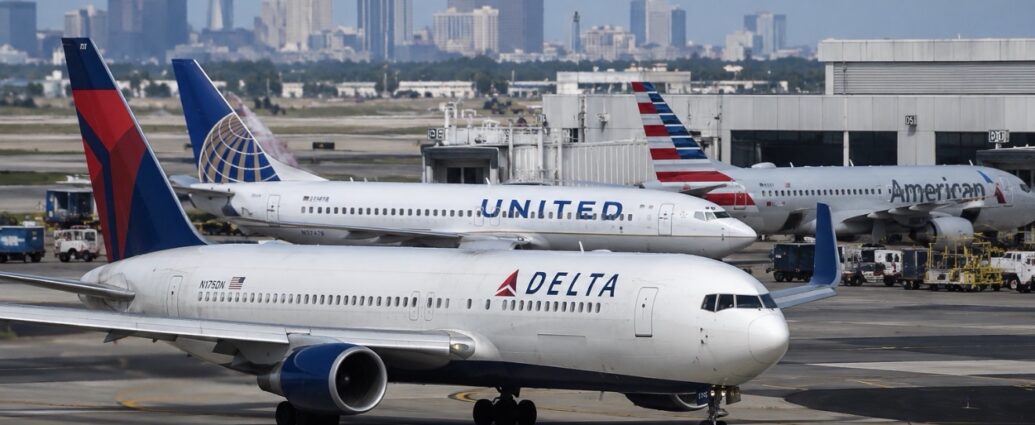
Reflecting that improved outlook, Bank of America increased its price targets on several major airlines, including Delta Air Lines, United Airlines, American Airlines, Southwest Airlines, Alaska Air Group, JetBlue Airways, Frontier Airlines and Allegiant Air.
The bank believes airlines are benefiting from an unusually favorable combination of lower costs and resilient demand.
Airfares have remained elevated despite the drop in fuel prices. According to the U.S. Travel Association’s Travel Price Index, airline fares increased sharply year over year, demonstrating that travelers continue booking flights even at higher prices.
Not every airline is benefiting equally.
Delta Air Lines and United Airlines continue to outperform many competitors thanks to their growing premium-cabin business, expanding international networks and lucrative loyalty programs. Delta’s long-standing partnership with American Express, for example, generates billions of dollars annually and provides a steady stream of high-margin revenue beyond ticket sales.
By comparison, airlines that rely more heavily on price-sensitive leisure travelers, including American Airlines and JetBlue, remain more vulnerable to shifts in consumer spending and generally carry heavier debt loads.
The industry’s pricing power has also been strengthened by limited competition.
The collapse of Spirit Airlines removed a significant amount of low-cost capacity from the market, reducing downward pressure on fares. At the same time, production delays at Boeing and Airbus continue limiting deliveries of new aircraft, preventing airlines from adding enough seats to fully meet demand.
That imbalance between supply and demand helps explain why travelers shouldn’t expect lower fares despite cheaper fuel.
Most summer tickets were sold months ago, when fuel prices were considerably higher. Airlines generally do not lower prices after seats have already been booked. Instead, the savings flow directly to their bottom line.
Meanwhile, with aircraft deliveries still constrained and demand remaining strong, airlines have little incentive to reduce prices.
Another major catalyst is the 2026 FIFA World Cup, which is driving record passenger traffic and tourism spending across host cities throughout North America. The tournament has helped keep flights full during what was already expected to be one of the busiest travel seasons in years.
Investors will soon learn whether the industry’s optimism is justified.
Delta Air Lines is scheduled to report quarterly earnings on July 10, becoming the first major U.S. airline to release results. Its comments on travel demand, pricing and booking trends will likely shape expectations for the rest of the industry. Delta CEO Ed Bastian and United CEO Scott Kirby have both recently indicated that travel demand strengthened heading into the summer.
One risk remains. If airlines become too aggressive in restoring capacity later this year because of lower fuel prices, an increase in available seats could eventually place downward pressure on fares.
For now, however, the industry continues to enjoy an unusual combination of packed airplanes, lower fuel costs and healthy consumer demand.
For travelers, the message is simple: don’t expect last-minute bargains this summer. With limited seats, strong demand and airlines focused on maximizing revenue, booking early remains the best strategy.
JBizNews Desk | Fort Worth, Texas
© JBizNews.com All Rights Reserved. Reproduction or distribution without written permission is prohibited.