JBizNews Desk | Thursday, May 7, 2026
A classified CIA intelligence assessment delivered this week to senior Trump administration officials has concluded that Iran may be capable of enduring the current U.S.-led naval blockade and economic pressure campaign for at least three to four more months — a finding that sharply contrasts with the administration’s more optimistic public messaging and raises growing concerns about prolonged economic fallout for American households.
The confidential report, first reported by The Washington Post and confirmed by multiple officials familiar with the assessment, suggests Tehran retains substantial military capabilities and enough economic resilience to continue operating despite weeks of U.S. and Israeli military pressure targeting Iranian infrastructure, missile systems, and export routes.
The intelligence assessment arrives as energy prices, transportation costs, and inflation pressures continue rippling through the American economy, pushing gasoline prices above $4.50 per gallon nationally and intensifying fears that a prolonged standoff in the Persian Gulf could trigger broader economic damage both in the United States and globally.
What the CIA Assessment Found
According to officials familiar with the report, U.S. intelligence agencies estimate Iran still retains roughly 70% of its prewar ballistic missile stockpile and approximately 75% of its mobile missile launcher inventory despite sustained bombardment campaigns since the conflict escalated in late February.
The report also concludes that Iran has successfully reopened many underground military storage facilities, restored portions of damaged missile infrastructure, and resumed assembly of certain weapons systems that had been in production prior to the conflict.
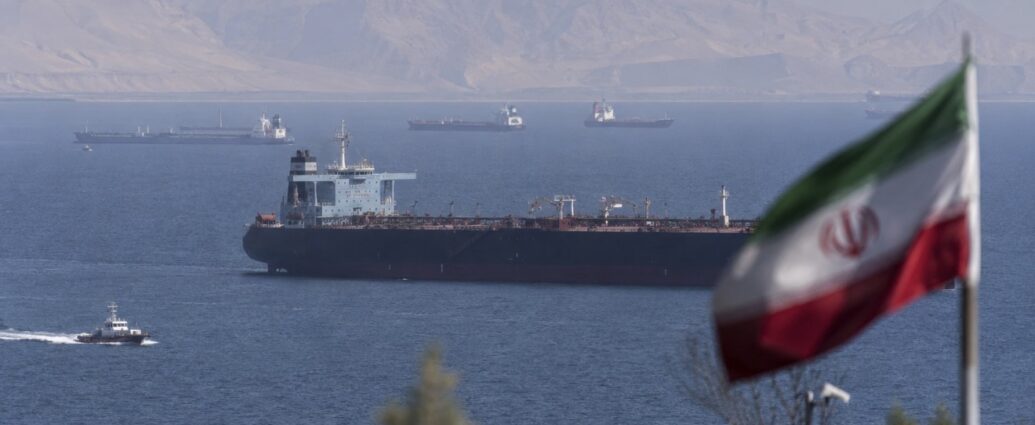
On the economic side, intelligence officials believe Tehran has adapted more effectively than initially expected to the naval blockade surrounding the Strait of Hormuz.
Iran has reportedly been storing unsold crude oil aboard tankers operating as floating storage units while simultaneously reducing production at key oil fields to preserve long-term infrastructure. Intelligence analysts also believe smaller quantities of oil are being rerouted overland through parts of Central Asia using rail and alternative shipping networks.
One U.S. official familiar with the assessment reportedly described the situation as “far from catastrophic,” while another said Iran’s leadership appears increasingly convinced it can outlast mounting political pressure inside the United States itself.
That analysis differs significantly from President Donald Trump’s public remarks Wednesday, in which he stated Iran’s missile capabilities had been “mostly decimated.” Intelligence estimates in the CIA report indicate the country retains far more operational capacity than public statements have suggested.
The Economic Impact Reaches American Households
The report’s broader significance extends well beyond military strategy.
The Strait of Hormuz remains one of the most critical energy chokepoints in the world, handling roughly 20% of global seaborne oil and liquefied natural gas exports. Since the conflict began February 28, global oil prices have surged sharply, driving higher fuel costs across the United States and much of the world.
National average gasoline prices in the U.S. crossed $4.50 per gallon this week for the first time since 2022 and now sit within striking distance of the all-time highs reached during the earlier inflation surge following Russia’s invasion of Ukraine.
Airlines, shipping companies, trucking operators, and manufacturers have all begun passing increased fuel costs through to consumers.
Jet fuel prices in North America have nearly doubled since the conflict began, contributing to higher airline surcharges, baggage fees, and transportation costs. Several logistics and delivery companies — including Amazon, FedEx, and the U.S. Postal Service — have already implemented fuel-related pricing adjustments now working through supply chains nationwide.
Food inflation concerns are also intensifying.
The Persian Gulf region plays a major role in global fertilizer exports, particularly urea derived from natural gas production. Disruptions tied to the conflict have already increased fertilizer costs for agricultural producers, raising concerns that higher prices for wheat, corn, poultry, and other staples could emerge later this year.
Major financial institutions have begun revising economic forecasts lower as the conflict drags on.
J.P. Morgan warned this week that sustained elevated oil prices could reduce global GDP growth during the first half of 2026 while adding more than 1 percentage point to worldwide inflation pressures. Oxford Economics downgraded its U.S. growth forecast to 1.9% from 2.8%, citing the combined impact of energy shocks, tariffs, and weakening consumer spending power.
Energy Aspects founder Amrita Sen warned markets may be underestimating the severity of the supply shock, saying investors appear “far too calm” relative to the economic risks posed by prolonged disruption in the Gulf.
Pressure Builds on Washington and Tehran
The CIA assessment arrives amid reports that preliminary backchannel discussions between U.S. and Iranian officials are quietly underway regarding a possible framework agreement to reduce tensions and reopen oil flows.
But intelligence officials caution that Iran does not currently appear to be negotiating from a position of immediate desperation.
Analysts believe Tehran may be betting that mounting political pressure inside the United States — particularly rising fuel prices ahead of midterm elections — could weaken Washington’s resolve before Iran’s economy reaches a breaking point.
U.S. officials continue to argue the blockade is inflicting meaningful long-term damage on Iran’s economy and military infrastructure. Still, the new intelligence assessment suggests any resolution capable of meaningfully lowering energy prices and easing inflation pressures may remain months away.
For American consumers already coping with elevated borrowing costs, higher food prices, and expensive fuel, the implications are increasingly tangible.
What began as a geopolitical confrontation overseas is steadily becoming an economic reality at home — one showing few signs of ending quickly.
© JBizNews.com. All rights reserved. This article is original reporting by JBizNews Desk. Unauthorized reproduction or redistribution is strictly prohibited.