By JBizNews Desk — April 29, 2026
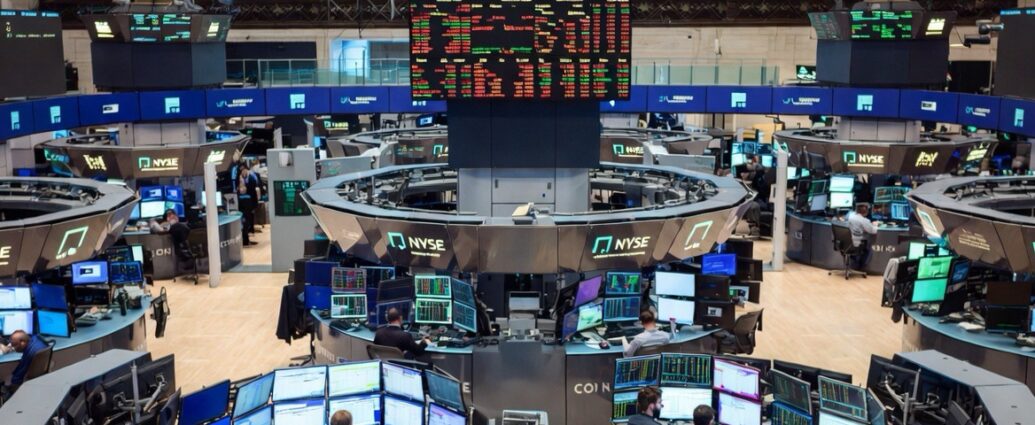
Closing Bell Summary
U.S. stocks ended the day mixed as investors processed the Federal Reserve’s widely expected decision to hold interest rates steady while high oil prices above $110 per barrel continued to weigh on consumer spending and business costs. The S&P 500 closed slightly lower, the Dow Jones Industrial Average posted a modest gain, and the Nasdaq finished essentially flat.
This closing picture directly builds on the business trends we have covered throughout the day — from the Fed’s rate hold and cooling labor market to persistently high gasoline prices squeezing household budgets and threatening summer retail sales. Energy-sensitive sectors showed relative strength, while consumer-facing and retail names lagged, reinforcing the everyday pressures reported earlier.
Key Business Developments of the Day
Beyond the headline market numbers, several operational and corporate stories stood out:
• Major retailers continued to warn of a potentially weak back-to-school season, echoing our mid-morning coverage of families cutting discretionary spending to cope with gas prices near $4.20–$4.50 per gallon in many markets.
• Ongoing talks around Spirit Airlines’ potential restructuring and a possible Trump administration bailout remained in focus, highlighting how airline industry challenges directly affect affordable travel options for everyday families.
• Corporate leaders, including Jamie Dimon’s renewed call in Oslo to eliminate empty, time-wasting meetings, underscored a broader push for operational efficiency as businesses navigate higher costs and tighter margins.
Notable Market Movers
Several stocks and sectors stood out in today’s trading, reflecting the broader business themes of energy costs and consumer caution:
• Energy giants rose sharply — ExxonMobil and Chevron gained more than 2% each as oil prices held firm above $110, directly benefiting from the supply tightness we have tracked all day.
• Retail and consumer discretionary names lagged — Walmart, Target, and Kohl’s each closed down 1–2%, consistent with warnings about weaker back-to-school spending as families prioritize fuel over discretionary purchases.
• Airline stocks were mixed — Spirit Airlines shares remained volatile amid bailout talks, while larger carriers like Delta and United showed modest gains on higher fuel-cost pass-through expectations.
• Small-cap stocks held up better than large-caps, offering a modest positive signal for the small businesses that employ nearly half of the U.S. workforce.
Diane Swonk, chief economist at KPMG, described the day as “steady but watchful.” She noted that the Fed’s decision provides some predictability, but the combination of firm energy prices and a cooling labor market means businesses are staying disciplined on costs and expansion plans.
Heather Long, chief economist at Navy Federal Credit Union, pointed to the real-world impact on households: “With gas still hovering near $4.20–$4.50 in many areas, families are making the same trade-offs we reported on this morning — prioritizing the tank over retail or travel purchases.”
Oliver Allen, senior U.S. economist at Pantheon Macroeconomics, added: “The labor market’s cooling trend we covered earlier today is giving the Fed breathing room, but it also means businesses remain selective with hiring and investment.”
Nicole Bachaud, economist at ZipRecruiter, noted that the day’s market action could influence seasonal hiring in retail and tourism sectors heading into summer.
Gina Bolvin, president of Bolvin Wealth Management Group, advised clients to view today’s close through a practical lens: “For small business owners and everyday investors, the message is continuity — high borrowing costs persist, energy expenses remain elevated, and operational efficiency matters more than ever.”
Outlook
Today’s closing bell leaves the business landscape largely unchanged from the themes that dominated the day: a resilient but cautious economy where high energy costs and moderating labor demand are the dominant forces. The Fed’s steady stance buys time, but the pressure on household budgets and small business margins continues.
Looking ahead, tomorrow’s data calendar and any fresh developments around oil supply, corporate partnerships, or acquisition talks will be closely watched. For business enthusiasts and Main Street operators, the focus remains on managing costs, watching consumer behavior, and staying agile in an environment where general business fundamentals — not just market swings — will determine success through the rest of 2026.
JBizNews Desk
© JBizNews.com. All rights reserved. This article is original reporting by JBizNews Desk. Unauthorized reproduction or redistribution is strictly prohibited.