NEW YORK — Two of the most familiar items in the American diet are becoming increasingly expensive, and together they are helping keep pressure on household grocery budgets despite broader signs that inflation is cooling.
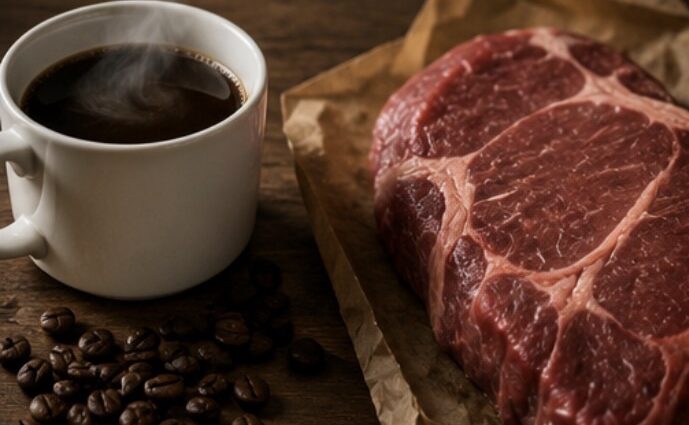
Coffee and beef prices have surged over the past year, driven by entirely different forces. One may eventually offer relief. The other is likely to remain expensive for the foreseeable future.
Coffee prices have climbed approximately 19% from a year ago, according to industry data, reaching some of the highest levels consumers have seen in years.
The primary culprit has been weather.
Major coffee-producing countries including Brazil and Vietnam have experienced severe weather disruptions that damaged harvests and tightened global supply. At the same time, tariffs imposed on certain Brazilian imports added additional pressure to costs throughout the supply chain.
The outlook for coffee, however, may be improving.
The World Bank expects coffee prices to ease during 2026 as production recovers and supply conditions improve. Some trade restrictions have also eased, creating additional room for stabilization.
For coffee drinkers, relief may finally be on the horizon.
Beef presents a very different challenge.
Prices for beef and veal have climbed more than 15% year-over-year, and economists see little evidence that meaningful relief is approaching anytime soon.
Unlike coffee, which has been affected primarily by weather events, beef prices are being driven by long-term structural supply issues.
Years of drought forced ranchers across major cattle-producing regions to reduce herd sizes. Rebuilding those herds takes years, not months. As a result, beef supplies remain constrained even as consumer demand remains relatively strong.
The imbalance continues pushing prices higher.
The impact extends far beyond grocery stores.
Restaurants, fast-food chains, supermarkets and food manufacturers all face higher costs when beef prices rise. Many operators have responded by emphasizing chicken products, value menus, and promotional offerings designed to maintain customer traffic without sacrificing profitability.
Consumers are seeing a mixed picture throughout grocery aisles.
Egg prices, which surged during bird-flu outbreaks, have retreated significantly from previous highs. Some dairy products have stabilized. Certain produce categories have become more affordable.
Yet coffee and beef continue moving in the opposite direction.
That creates a confusing experience for shoppers.
Some items appear cheaper. Others continue setting records.
The broader lesson is that grocery inflation is no longer a single story. Each product category is responding to its own combination of weather events, trade policies, supply-chain dynamics, and production challenges.
For households attempting to manage budgets, understanding which price increases are temporary and which are likely to persist has become increasingly important.
Coffee may eventually provide some relief.
Beef likely will not.
For many American families, that distinction could determine whether grocery budgets improve—or remain under pressure throughout the remainder of the year.
Wall Street — JBizNews Desk
© JBizNews.com All Rights Reserved. Reproduction or distribution without written permission is prohibited.