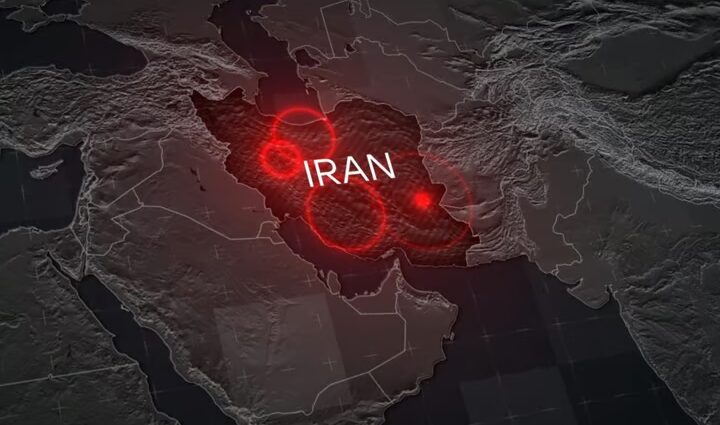
Four weeks in, the ongoing conflict in the Middle East has evolved into one of the most severe recent energy shocks, according to the International Energy Agency, the International Monetary Fund, and the World Bank.
Beyond the humanitarian toll, the conflict is disrupting global trade flows, driving volatility in oil and commodity markets, and amplifying inflation risks. In response, these institutions have formed a coordinated group. This group will monitor the crisis’s “asymmetric” effects—particularly on low-income countries and fragile supply chains.
So far, the effects of the crisis are polarizing. Energy and aluminum markets face immediate supply shortages, while the broader macroeconomic shock might paradoxically push industrial metals like copper into surplus.
Aluminum Under Pressure
Nowhere is the supply shock more visible than in aluminum, where the Strait of Hormuz has emerged as a critical chokepoint. Missile and drone strikes on major producers, including Emirates Global Aluminum and Aluminium Bahrain (Alba), have shut down operations.
According to ING, as reported by Bloomberg, roughly 3 million tons of annual capacity—nearly half of Middle Eastern output—has been knocked offline.
The crisis extends beyond physical damage. The effective closure of the Strait of Hormuz is choking off the flow …





This post was originally published here