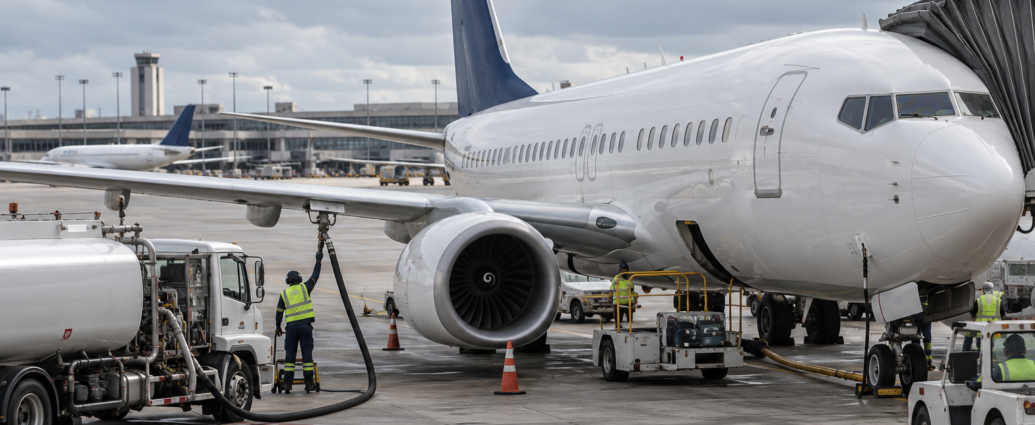
Delta Air Lines cut its 2026 profit forecast on Friday because jet fuel has become far more expensive, even though travelers kept filling its planes and paying higher fares. The airline now expects full-year adjusted earnings of $5.10 to $5.60 per share, down from the $6.50 to $7.50 range it affirmed in July, and said its fuel bill for the year will run about $6 billion higher than last year.
The fuel math is simple and brutal. Delta paid an adjusted average of $3.61 per gallon of jet fuel in the third quarter, up from $2.25 a year earlier. That is about 1.6 times last year’s price, a 60% jump. Its adjusted fuel bill for the quarter came to $4.1 billion, up 62%. Fuel alone came in more than $500 million above what Delta had planned for when it gave guidance in early July.
Asked where the forecast cut came from, Chief Financial Officer Erik Snell said it was all fuel. Oil prices have been pushed up this year by the war with Iran and disruption to shipping through the Strait of Hormuz, and airlines feel that almost immediately because fuel is one of their biggest costs.
Demand, meanwhile, held up. Chief Executive Ed Bastian said demand remains strong, with consumers continuing to favor spending on experiences and travel, and he called air travel one of the best values in the economy. Delta reported record September-quarter revenue of $17.6 billion on an adjusted basis, which strips out sales from its oil refinery, up 16% from a year ago. Including the refinery, reported revenue rose 21% to $20.2 billion.
Profit stayed roughly level on an adjusted basis. Delta earned $1.72 per share adjusted, compared with $1.70 a year earlier, and adjusted pre-tax profit was $1.5 billion, matching last year. On a reported basis, which includes swings in the value of investments and fuel hedges, earnings fell 47% to $1.15 per share from $2.17.
For travelers, the cost is showing up in ticket prices. The average fare Delta collected per mile flown rose 14% from a year earlier. In plain terms, a trip that cost $500 last year would run about $570 at that rate. Bastian said fares look to be rising further as fuel prices stay high.
Delta is also squeezing the number of seats it sells, which helps keep prices up. Capacity was flat in the third quarter, and the airline plans to grow seats by less than 2% in the fourth quarter, including a cut in Main Cabin seats. Fewer economy seats on the market leaves budget travelers with fewer cheap options.
The money is increasingly coming from the front of the plane. Premium ticket revenue rose 18% to $6.82 billion, while Main Cabin revenue rose 12% to $6.8 billion. Premium sales now bring in about as much as economy does. Loyalty revenue grew 18%, and payments from American Express tied to Delta’s co-branded credit cards rose 15%, putting them on track to top $9 billion for the year.
Delta’s own refinery in Trainer, Pennsylvania, is part of its defense against high fuel costs. Because the airline turns crude oil into jet fuel itself, it saved about 13 cents per gallon in the quarter and expects a benefit of about 40 cents per gallon in the fourth quarter, an advantage most rival airlines do not have.
The rest of the fix is a mix of higher fares, tighter seat counts and a stronger balance sheet. Delta plans to pay down more than $2 billion of debt this year and expects about $2.5 billion in free cash flow. Its adjusted net debt has already fallen $950 million since the end of 2025, to $13.4 billion.
The near-term outlook still carries the fuel weight. Delta expects fourth-quarter revenue to grow about 20% from last year, faster than the third quarter’s 16% adjusted gain, but its forecast of $1.15 to $1.65 in earnings per share came in below analyst estimates. That forecast assumes jet fuel at about $4.25 per gallon, higher still than the third quarter’s price. For the full year, Delta expects pre-tax profit of roughly $4.5 billion after absorbing the $6 billion fuel hit.
Delta is the most profitable U.S. airline and the first to report results covering the busy summer season, so its numbers often signal what the rest of the industry will show. The message for flyers heading into the holidays is clear: people are still traveling, and they are paying more to do it.
JBizNews Desk | Wall Street
© JBizNews.com All Rights Reserved. Reproduction or distribution without written permission is prohibited.