There is a familiar temptation in Washington whenever talks with Iran begin to move.
Declare progress. Lower the temperature. Find a formula. Announce a framework. Move on to the next crisis.
That temptation is understandable. Americans are tired of Middle East wars. Markets want the Strait of Hormuz open and energy prices stable. Diplomats want signatures. Presidents want deliverables.
A piece of paper that promises calm can look like statesmanship after months of conflict, disruption, and fear of a wider war.
Israel cannot afford to judge Iran by the mood of the moment.
Will Trump’s Iran deal block the threat?
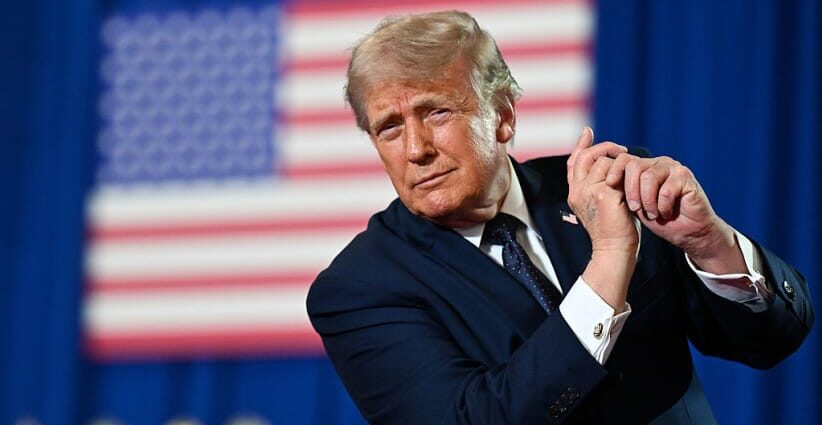
US President Donald Trump said over the weekend that an agreement with Iran had been largely negotiated and was awaiting finalization.
If that agreement leads to the real dismantling of Iran’s nuclear infrastructure, verified removal of enriched uranium, strict inspections, and a durable end to Tehran’s race toward nuclear capability, it would be a major diplomatic achievement.
If it offers sanctions relief, access to frozen assets, reopened ports, and diplomatic normalization while leaving Iran’s core capabilities alive, it would reward Tehran for dragging the region to the edge and surviving long enough to be paid.
That is the litmus test.
The issue is whether diplomacy blocks the threat or repackages it in softer language.
Israel has seen this movie before. The 2015 nuclear agreement was sold to the world as a breakthrough. In Jerusalem, it looked like a dangerous bargain: temporary restrictions, sunset clauses, insufficient attention to missiles, and almost no serious answer to Iran’s regional network of terror proxies.
The debate over that deal was a dispute over time. How much time would Iran gain? How much infrastructure would it keep? What would happen when restrictions expired?
Those questions remain central today.
Iran’s nuclear program is inseparable from its missile arsenal, regional proxies
Iran’s nuclear program cannot be separated from the regime’s ballistic missile arsenal or from Hezbollah in Lebanon, the Houthis in Yemen, militias in Iraq, and the wider machinery Tehran built to surround Israel and pressure the region.
A narrow agreement that freezes one file while funding the rest of the system would create the illusion of progress and the reality of danger.
Washington should therefore make several principles clear.
First, Iran must not receive sanctions relief before verified concessions. Promises from Tehran are not security. Verification is security. Dismantlement is security. The transfer of enriched uranium out of Iran, the closure of pathways to weaponization, and intrusive inspections must come before economic rewards.
Second, no agreement should allow Iran to preserve enrichment as a sovereign trophy. Zero enrichment is the standard that matches the scale of the threat. Anything less risks turning a future Iranian sprint toward nuclear capability into a question of political timing rather than technical possibility.
Third, missiles and proxies must be part of the conversation. Iran’s regional strategy is not a side issue. It is the system through which the regime converts money, ideology, and weapons into pressure on Israel, Arab states, international shipping, and American interests.
Any deal that frees up money while leaving that system untouched will strengthen the very forces that made diplomacy urgent.
Fourth, Congress must see the details. A consequential agreement with Iran cannot be managed through ambiguity, leaks, and celebratory statements.
The American people, and America’s allies, deserve to know what Iran is giving up, what it is receiving, and what enforcement mechanisms will exist when Tehran violates the spirit or letter of the agreement.
Last, Israel must be fully consulted. This is a strategic necessity.
Israel lives with the consequences of Iranian power in a way Washington does not: it faces Hezbollah rockets, Iranian weapons transfers, cyberattacks, and terror plots. A deal negotiated over Israel’s head would weaken trust and invite future confrontation.
Diplomacy backed by pressure can serve the region. Diplomacy funded by illusions will endanger it.
The West cannot buy calm by financing Iran’s next phase. A serious deal must leave Iran weaker, more constrained, and further from a nuclear weapon on the day after it is signed. Anything else would turn temporary quiet into a strategic gift for Tehran.