JBizNews Desk
As traditional television continues to lose viewers and streaming becomes the dominant way Americans consume entertainment, The Walt Disney Company is making a major bet that advertising—not subscription fees alone—will drive the next phase of growth.
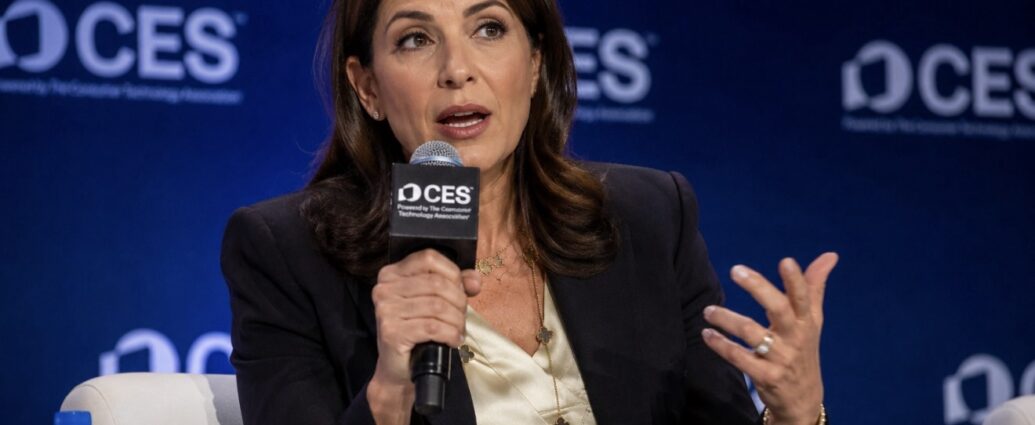
At the center of that effort is Rita Ferro, Disney’s President of Global Advertising, who is leading an aggressive expansion of the company’s advertising business across Disney+, Hulu, ESPN, ABC, and its broader media portfolio.
According to a profile published May 31 by CNBC, Ferro has become one of Disney’s most important executives as advertisers increasingly seek targeted, measurable campaigns across streaming, sports, and digital platforms.
The timing is critical. Media companies spent years chasing streaming subscribers, often sacrificing profits in the process. Now the industry is shifting focus toward profitability, and advertising is becoming one of the most important revenue drivers.
Disney’s Advertising Strategy
Ferro’s approach centers on combining Disney’s content portfolio with technology that allows advertisers to better target audiences and measure results.
That means leveraging some of the world’s most recognizable brands and franchises, including ESPN, Marvel, Star Wars, Pixar, and Disney’s entertainment networks, while expanding the company’s in-house advertising technology platform.
Advertisers increasingly want more than broad television exposure. They want precise audience targeting, performance data, and measurable returns on investment.
Disney believes its proprietary advertising technology can help deliver those capabilities while keeping more of the advertising infrastructure under its own control.
According to executives who work closely with Ferro, Disney has spent years investing in its advertising technology stack to compete more effectively against digital giants and streaming rivals.
Streaming Is Becoming an Advertising Business
The financial results explain why Disney is doubling down.
In Disney’s most recent quarter, streaming operating income surged 88% to $582 million, a dramatic improvement from earlier years when streaming operations generated substantial losses.
A key driver has been the growth of ad-supported streaming.
Disney has reported that roughly half of new Disney+ subscribers are selecting lower-cost plans that include advertising. While those plans generate less subscription revenue per user, they create additional opportunities for advertising sales.
Every new subscriber on an ad-supported plan becomes another viewer that advertisers can reach.
For Disney, that creates a dual revenue stream: subscription fees and advertising dollars.
A New Audience of Advertisers
Disney is also targeting a broader range of advertisers than it historically pursued.
The company has expanded efforts to attract emerging brands and midsize advertisers that previously viewed national television advertising as too expensive or inaccessible.
Executives say automation and self-service advertising tools are helping make Disney’s platforms more accessible to a wider range of businesses.
The strategy mirrors trends across the broader digital advertising industry, where companies increasingly seek scalable systems that allow advertisers of all sizes to buy inventory efficiently.
Challenges Remain
The transition is not without obstacles.
While streaming advertising continues to grow, parts of Disney’s traditional advertising business remain under pressure.
Entertainment advertising revenue outside Disney+ and Hulu has softened, while certain sports advertising categories have faced challenges due to programming changes and shifting viewing habits.
The company is betting that growth in streaming advertising can offset those declines over time.
Investors will be closely watching whether that strategy succeeds as Disney negotiates advertising commitments for the coming year.
What It Means for Consumers
For viewers, the shift is already visible.
Many streaming services now offer lower-priced plans supported by advertising, and Disney continues to expand ad formats across its platforms.
Consumers receive cheaper subscription options, while Disney gains additional revenue from advertisers.
The arrangement reflects a broader transformation occurring throughout the media industry.
After years of prioritizing subscriber growth, media companies are increasingly focused on turning streaming audiences into profitable advertising businesses.
The Bottom Line
Disney’s future growth strategy increasingly depends on advertising, and Rita Ferro is leading that effort.
The company is combining its content portfolio, sports rights, streaming platforms, and advertising technology in an attempt to capture a larger share of marketing budgets moving into digital media.
As advertisers shift spending away from traditional television and toward streaming platforms, Disney is positioning itself to be one of the industry’s biggest beneficiaries.
Whether that strategy delivers sustained growth will become clearer in the months ahead, but one thing is already evident: advertising has become central to Disney’s next chapter.
JBizNews Desk
© JBizNews.com All Rights Reserved. Reproduction or distribution without written permission is prohibited.