Three regional bank presidents dissented for a hike; traders trimmed September bets in Chairman Kevin Warsh’s first meeting
The Federal Open Market Committee voted Wednesday to leave the federal funds rate unchanged at a target range of 3.50 to 3.75 percent, the fifth consecutive meeting without a move. The vote was 9-3, with three regional bank presidents dissenting in favor of an immediate quarter-point increase.
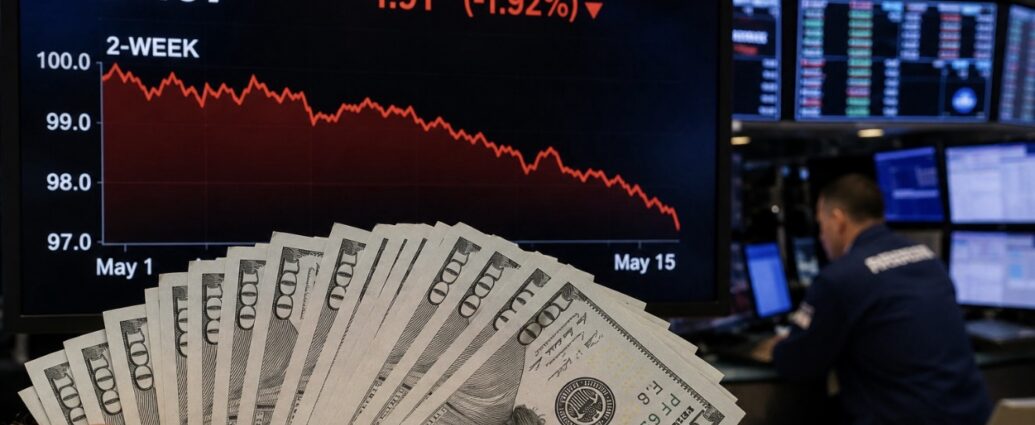
The currency market read the outcome as a signal that a hike is less likely than it appeared. The Bloomberg Dollar Spot Index fell about 0.3 percent following the decision, its steepest drop since July 15 and its largest decline in two years following a Fed decision to hold, as traders pared bets on a September increase.
Who dissented
The three dissenters were Beth Hammack of the Cleveland Fed, Neel Kashkari of the Minneapolis Fed and Lorie Logan of the Dallas Fed. The post-meeting statement noted they preferred a quarter-point increase at this meeting.
All three have been among the most vocal on the committee about inflation that has run above the Fed’s 2 percent target for more than five years — pressure attributed to a combination of tariffs and rising energy costs tied to the conflict in the Middle East. Governor Christopher Waller had also warned publicly in recent weeks that a rate increase could become warranted, but voted with the majority.
The split was not a surprise to markets, though the outcome was not fully settled going in. The CME FedWatch tool showed close to a 30 percent probability of a quarter-point hike ahead of the meeting, up from about 15 percent a week earlier.
Warsh’s first meeting in the chair
The decision was an early test of authority for Chairman Kevin Warsh, who has deliberately stepped back from the forward guidance his predecessors routinely provided. The statement was considerably shorter than what had become standard, consistent with Warsh’s stated intent to change how the Fed communicates — he has created five task forces, one dedicated to that question. Warsh has described inflation as a choice and pressed the point repeatedly in recent congressional testimony.
The committee’s statement characterized economic activity as expanding at a solid pace despite elevated uncertainty stemming partly from the Middle East conflict, described productivity growth and capital investment as strong, and said job gains have kept pace with the workforce while the unemployment rate has changed little.
On inflation, the Fed acknowledged that price growth remains elevated relative to its 2 percent goal, in part reflecting supply shocks in certain sectors, including energy.
The energy problem behind the decision
The reason the committee is debating a hike rather than a cut sits in the oil market. West Texas Intermediate climbed above $90 a barrel in July from $67 at the start of the month, as U.S. and Iranian strikes brought naval activity in the Strait of Hormuz to a halt. Prices eased somewhat after a pause in strikes but remain up close to 20 percent for the month. That trajectory is likely to keep headline inflation readings elevated near term.
That is the central tension. Energy-driven inflation is a supply shock, and raising rates does not produce more diesel or reopen shipping lanes. But sustained price increases eventually work into expectations regardless of their origin — which is what the three dissenters were voting on.
Where the dollar stood going in
Ahead of the decision, the dollar had been trading near a one-month high on safe-haven demand following renewed Middle East hostilities, at 101.43 against a basket of peers. The euro sat near a one-month low at $1.1386, sterling at $1.3282, and the dollar had edged up against the yen to 163.88, with the Japanese currency near 40-year lows.
Wednesday’s move takes some of that back, but the starting point matters: a 0.3 percent decline from a one-month high is a repricing, not a reversal.
What it means for tri-state businesses
For importers, a softer dollar raises the landed cost of goods — a real consideration for firms already absorbing tariff costs and elevated freight rates. For exporters, it works the other way, making American product marginally more competitive abroad.
For borrowers, the practical answer is that nothing changed. The federal funds rate has been in this range since December, and financing costs on commercial lines, equipment loans and commercial real estate are steady. Anyone waiting for relief before committing to capital spending has now waited five meetings.
One view expressed after the decision held that the lack of employee bargaining power, combined with an assumption of no further escalation in the U.S.-Iran conflict, should keep the Fed on hold through year-end. That second condition is doing considerable work. Three dissents leave the door visibly open to a September increase.
The next FOMC meeting is scheduled for September 15-16, with Warsh expected to speak at the Jackson Hole symposium in August.
JBizNews Desk | Washington, D.C.
© JBizNews.com All Rights Reserved. Reproduction or distribution without written permission is prohibited.