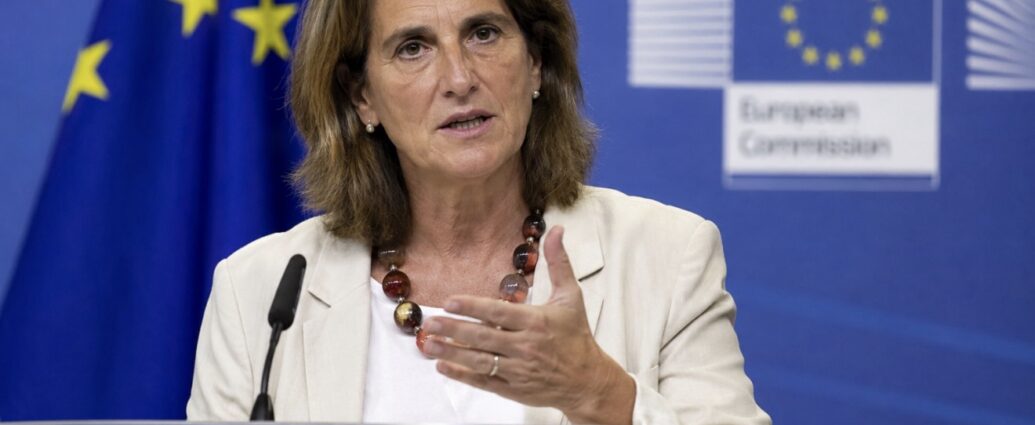
The European Commission, the European Union’s top competition enforcer, on Tuesday, June 9, ordered Meta Platforms to give rival artificial intelligence chatbot makers free access to WhatsApp while regulators finish an antitrust investigation into the company. The order was announced by the Commission’s competition chief, Executive Vice-President Teresa Ribera, in Brussels.
At the center of the fight is the WhatsApp Business API — the tool companies use to plug their own software into WhatsApp so they can message customers through the app. Meta barred rival AI services from that tool in October last year while keeping its own assistant, Meta AI, available. Regulators say that move shut competitors out of a doorway to millions of European users.
Why WhatsApp Matters in the AI Race
WhatsApp is not just a messaging app. For many companies, it has become a customer-service desk, sales channel, marketing platform, and increasingly a gateway to artificial intelligence. Access to WhatsApp allows AI assistants to answer customer questions, help complete purchases, provide support, and interact with users where they already spend their time. Regulators argue that if Meta reserves that access primarily for its own AI products, competitors may never get a fair chance to reach consumers.
The Commission acted using emergency powers it rarely touches. It is the first interim measure the Commission has issued in 17 years. The point of that tool is speed: rather than wait years for a final ruling, regulators can force a change now to stop damage they fear would be impossible to undo later.
Ribera put the reasoning plainly, saying in a statement that competition can be lost long before a final decision is adopted. She said the measures are meant to protect WhatsApp as a key entry point for AI companies to reach consumers in Europe and to let them scale up.
[AP pic: A WhatsApp icon displayed on a smartphone screen.]
The order is specific. Meta must restore rivals’ access to the WhatsApp Business API on the same terms that applied before October, within five working days. The interim measures stay in place for the duration of the investigation, which has no fixed deadline.
How the Dispute Started
The investigation began in December after complaints from The Interaction Company of California, maker of the Poke.com AI assistant, French startup Agentik, and a Spanish rival. The Commission filed formal charges against Meta about two months later.
In March, Meta allowed competitors back onto the platform — but only for a fee. The Commission objected, saying the price was set so high that it was not economically sustainable for competitors. Ribera echoed that concern in announcing Tuesday’s decision.
Meta rejected the order and said it will fight it.
A company spokesperson called the decision regulatory overreach and argued that it forces Meta to provide a product it built and maintains to some of the world’s largest AI companies for free. The company confirmed it plans to appeal.
Billions of Dollars Could Be at Stake
The financial risk for Meta is substantial.
If regulators ultimately determine that Meta violated European antitrust laws, the company could face fines of up to 10% of its global annual revenue. For a company of Meta’s size, that could amount to billions of dollars.
Meta is already appealing a separate $228.34 million European Union penalty tied to the bloc’s Digital Markets Act.
[AP pic: Business professionals use AI-powered messaging tools on smartphones and laptops in an office environment.]
A New Approach to Regulating AI
For businesses, the case reaches far beyond one messaging app.
AI assistants are rapidly becoming a common way people search for information, shop online, communicate with companies, and receive customer support. The companies building those systems are racing to reach users wherever they already spend their time, and WhatsApp represents one of the largest digital gateways in Europe.
Regulators argue that by limiting competitors’ access while promoting Meta AI, Meta was using control of the platform to give its own AI products an advantage.
The ruling also signals how Europe plans to regulate AI competition moving forward.
For years, critics argued that European antitrust investigations moved too slowly, allowing dominant technology companies to cement their market positions long before any penalties were imposed. By issuing an emergency order in an active AI market, the Commission is demonstrating a willingness to intervene much earlier.
The Bottom Line
For now, the immediate effect is straightforward: European consumers and businesses using WhatsApp should soon have access to more AI assistants inside the app, not just Meta’s own.
For Meta, the decision represents both a setback for its AI strategy and a challenge to a revenue-generating business product. More importantly, it may mark the beginning of a new era in which regulators move far more aggressively to shape competition in the rapidly evolving AI industry.
JBizNews Desk — Europe
© JBizNews.com All Rights Reserved. Reproduction or distribution without written permission is prohibited.