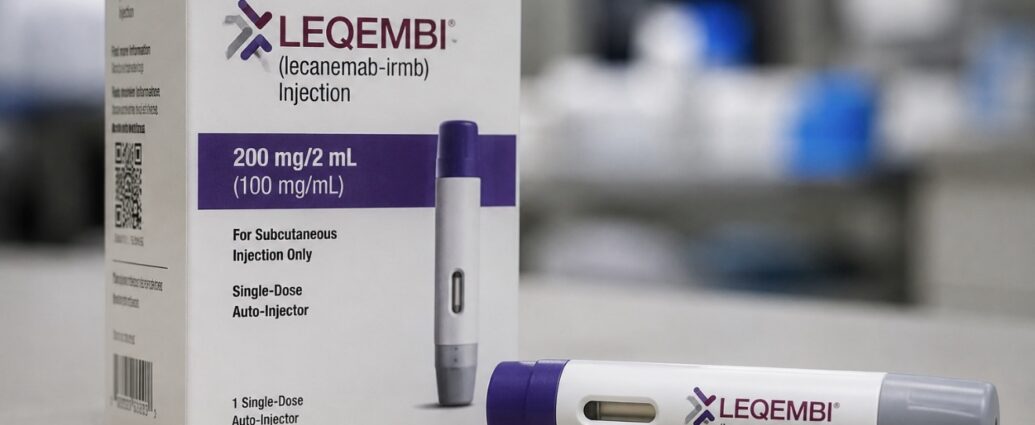
The U.S. Food and Drug Administration approved an at-home starting dose Monday for the Alzheimer’s treatment developed by Eisai and Biogen, allowing some patients to begin therapy using injections administered by themselves or a caregiver instead of starting exclusively through clinic-based intravenous infusions. The approval was reported on July 13, 2026, and represents another significant step toward moving complex Alzheimer’s treatment closer to the patient’s home. (Reuters)
The decision expands the potential role of Leqembi, known generically as lecanemab, in treating people with early Alzheimer’s disease. The drug is intended for patients with mild cognitive impairment or mild dementia who have confirmed amyloid buildup in the brain. It works by targeting and removing amyloid plaques, one of the biological features associated with Alzheimer’s disease. (Wikipedia)
Until now, patients beginning treatment typically faced regular visits to hospitals or infusion centers. Those appointments can be particularly difficult for older patients and their families, especially when travel, mobility limitations, caregiver schedules and access to specialized medical centers are involved.
The new approval allows qualifying patients to begin treatment through injections delivered at home by the patient or a caregiver. That could reduce some of the logistical burden connected to starting therapy and potentially broaden access for people who live far from major treatment centers. The exact treatment plan will still depend on a physician’s evaluation, diagnosis, monitoring requirements and the patient’s medical condition.
Investors responded positively to the announcement. Shares of Biogen rose approximately 4.5% in afternoon trading Monday, reflecting expectations that a more convenient starting option could help expand use of the treatment. (Reuters)
Leqembi was first granted accelerated approval by the FDA in January 2023 and later received traditional approval in July of that year. Clinical testing found that the treatment slowed cognitive and functional decline in patients with early Alzheimer’s disease compared with a placebo, although it does not cure the disease or reverse damage that has already occurred. (Wikipedia)
The treatment also carries significant risks. Anti-amyloid drugs such as Leqembi can cause brain swelling and bleeding, conditions commonly grouped under the term amyloid-related imaging abnormalities. Patients generally require medical screening and continued monitoring, including brain imaging, to identify complications. Treatment decisions therefore remain highly individualized and must be made with a qualified physician.
The FDA had already approved Leqembi Iqlik, a self-injectable form of the drug, for maintenance dosing in August 2025. That earlier authorization allowed patients who had completed an initial course of intravenous treatment to continue weekly maintenance doses at home using an autoinjector. Monday’s action goes further by allowing some patients to begin therapy through an at-home injection regimen. (Time)
The shift reflects a wider trend in healthcare toward home-based treatment. Drugmakers increasingly are developing injectable versions of medicines that previously required hospital or clinic visits. For patients, the changes can mean fewer appointments and greater flexibility. For healthcare systems, they may reduce pressure on infusion centers and specialized facilities.
For Eisai and Biogen, convenience has become an important part of the commercial strategy surrounding Leqembi. The drug’s initial U.S. rollout was slower than some analysts expected, partly because patients needed diagnostic testing, repeated infusions, specialized monitoring and insurance authorization. Treatment capacity also varied significantly among hospitals and clinics. (Financial Times)
An at-home starting option could remove one obstacle, but it will not eliminate the need for medical oversight. Patients still must receive an appropriate diagnosis, be evaluated for treatment risks and undergo monitoring throughout therapy. Cost and insurance coverage will also remain important questions for families considering treatment.
Alzheimer’s disease affects millions of Americans and progressively damages memory, reasoning and the ability to perform everyday tasks. For decades, available medicines primarily treated symptoms rather than the underlying disease process. Leqembi and competing treatments represent a newer class designed to slow progression by targeting amyloid in the brain.
The benefits remain modest, and debate continues among physicians and researchers about the drugs’ effectiveness, risks and cost. Still, the FDA’s latest approval gives patients and caregivers another treatment option and moves Alzheimer’s care further toward the home.
For families already coping with the practical and emotional burden of the disease, reducing the number of required clinic visits could be meaningful. The approval also shows how pharmaceutical companies are increasingly competing not only on whether a treatment works, but also on how easily patients can receive it.
JBizNews Desk | Washington, D.C.
© JBizNews.com All Rights Reserved. Reproduction or Distribution without Written Permission is Prohibited.