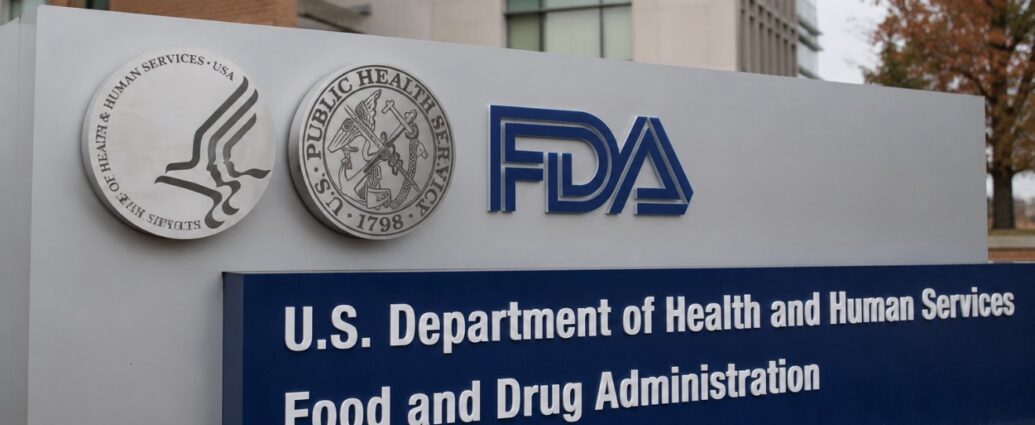
The U.S. Food and Drug Administration approved a new bladder cancer treatment from Pfizer and Astellas Pharma on Friday, clearing the way for the first therapy of its kind and handing the two drugmakers a fresh growth driver in one of oncology’s most competitive markets.
According to the FDA and a joint announcement from the companies dated Friday, July 10, the agency approved Padcev (enfortumab vedotin) together with Merck’s Keytruda, or its newer under-the-skin version Keytruda Qlex, as treatment given both before and after surgery for adults with muscle-invasive bladder cancer. The approval covers use as neoadjuvant therapy before surgery followed by adjuvant treatment after cystectomy, the operation to remove the bladder.
What makes the decision notable is that it is the first platinum-free regimen approved for these patients regardless of whether they can tolerate cisplatin-based chemotherapy. Cisplatin, a decades-old platinum chemotherapy, remains an effective treatment but is too toxic for many patients. The latest approval expands an earlier November 2025 authorization that had been limited to cisplatin-ineligible patients, extending the regimen to all eligible surgical patients with muscle-invasive bladder cancer.
Padcev is an antibody-drug conjugate designed to target the Nectin-4 protein found on bladder cancer cells while delivering chemotherapy directly into the tumor. Keytruda, meanwhile, is an immune checkpoint inhibitor that helps the body’s immune system recognize and attack cancer cells. Together, the drugs offer physicians an alternative approach aimed at reducing the chance the disease returns after surgery.
The FDA based its decision on results from the Phase 3 EV-304, also known as KEYNOTE-B15, clinical trial. According to the companies, patients receiving the combination therapy experienced nearly a 50 percent reduction in the risk of recurrence, progression or death, while the risk of death declined by approximately 35 percent compared with patients receiving the previous standard of care.
Executives at both companies described the approval as a significant milestone for bladder cancer treatment.
Aamir Malik, Pfizer’s Chief U.S. Commercial Officer, said the decision marks an important advance for patients facing one of the most difficult forms of bladder cancer, noting that the regimen has already become an established standard for advanced disease and can now move into earlier-stage treatment where physicians are aiming for a cure.
Moitreyee Chatterjee-Kishore, Senior Vice President and Head of Oncology Development at Astellas, said the approval broadens access to a therapy that has already demonstrated meaningful clinical benefit and now offers physicians another option during the critical treatment period surrounding surgery.
Beyond its medical importance, the approval carries major commercial significance.
Pfizer acquired Padcev through its $43 billion acquisition of Seagen, completed in late 2023. At the time, the company described antibody-drug conjugates as one of the fastest-growing areas in cancer treatment and viewed Padcev as one of Seagen’s crown jewels. Expanding the medicine into earlier-stage bladder cancer substantially enlarges its potential patient population and helps Pfizer replace revenue lost from declining COVID-related products and expiring patents.
For Merck, the decision extends the reach of Keytruda, the world’s best-selling prescription medicine, while simultaneously introducing physicians to the company’s newer Keytruda Qlex formulation ahead of Keytruda’s eventual patent expiration later this decade.
Muscle-invasive bladder cancer remains among the deadliest forms of bladder cancer, with recurrence rates remaining high even after surgery. Until now, many patients unable to receive cisplatin chemotherapy had limited treatment alternatives before and after surgery. The new approval gives physicians another evidence-based option designed to improve long-term outcomes without requiring platinum chemotherapy.
For investors, the decision highlights the continued value of major pharmaceutical acquisitions and the industry’s strategy of expanding existing blockbuster medicines into additional indications rather than relying solely on entirely new drug discoveries. Every successful label expansion potentially extends billions of dollars in future revenue while improving patient care.
The approval also reinforces the growing role antibody-drug conjugates are expected to play across oncology over the coming decade, with many analysts viewing the technology as one of the industry’s most promising areas for future cancer treatment.
JBizNews Desk | New York
© JBizNews.com All Rights Reserved. Reproduction or distribution without written permission is prohibited.