Federal Reserve officials entered the final day of their July meeting Wednesday with little expectation of an immediate rate increase, but persistent inflation has left September firmly in play and businesses with no clear path toward cheaper borrowing.
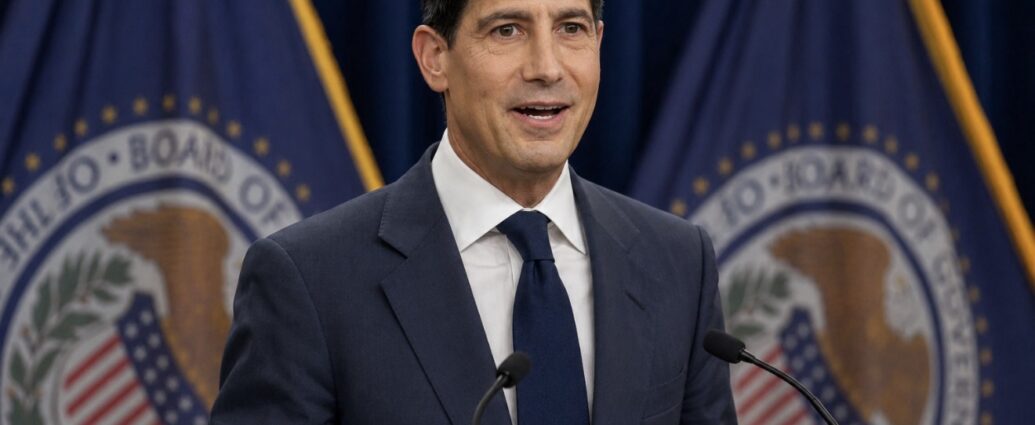
A policy statement is due at 2 p.m. Eastern, followed by Chair Kevin Warsh’s press conference at 2:30. The meeting does not include a new set of economic projections, placing greater weight on any change in the Fed’s description of inflation, employment and the balance of risks facing the economy.
Rates have remained between 3.5% and 3.75% since June, when the committee voted unanimously to hold. Agreement on that decision masked a widening debate over what should come next, with the minutes showing some officials prepared to consider an increase if price pressures failed to ease.
Tariffs and energy costs remain part of the concern, but the inflation problem now reaches further into the economy. Data-center construction is consuming more electricity, equipment and skilled labor, while businesses continue investing heavily in chips, software and infrastructure. That spending is supporting growth at the same time it raises demand for resources already in limited supply.
Recent declines in oil have taken some urgency out of the case for acting this week. They have not resolved the larger question of whether inflation can return to the Fed’s 2% goal while business investment and consumer demand remain firm.
Employment has also held up well enough to give policymakers room to wait. Hiring has slowed from earlier levels without turning into a broad wave of layoffs, leaving the committee under less pressure to reduce rates for the sake of the labor market.
For borrowers, another hold would bring little immediate relief. Commercial mortgages, equipment loans and revolving credit lines remain expensive, and lenders can raise their own rates when Treasury yields move higher even if the Fed leaves its benchmark untouched.
Smaller companies carry more of that pressure because they rely heavily on bank financing and variable-rate credit. Large corporations can issue bonds, sell shares or use existing cash, while local businesses often have fewer options when a loan resets or a project requires new financing.
Warsh’s press conference may therefore matter more than the widely expected decision itself. Any suggestion that the committee is moving closer to a September increase could tighten financial conditions immediately, while greater confidence that inflation is cooling would give businesses more reason to believe rates may remain unchanged through the fall.
Fresh government data arriving Thursday could quickly reshape the message. The first estimate of second-quarter economic growth will be released alongside June consumer spending and the Fed’s preferred inflation measure, offering a new reading less than 24 hours after Wednesday’s announcement.
Strong growth paired with stubborn inflation would reinforce the case for another increase. Softer demand and clearer price relief would support patience. Until that picture improves, companies waiting for substantially cheaper money may be building their plans around relief the Fed is not yet prepared to provide.
JBizNews Desk | Washington
© JBizNews.com All Rights Reserved. Reproduction or distribution without written permission is prohibited.